CM Fadnavis Leads MWRRA Foundation Day Seminar in Mumbai
Synopsis
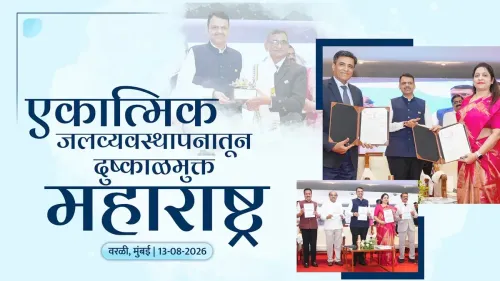
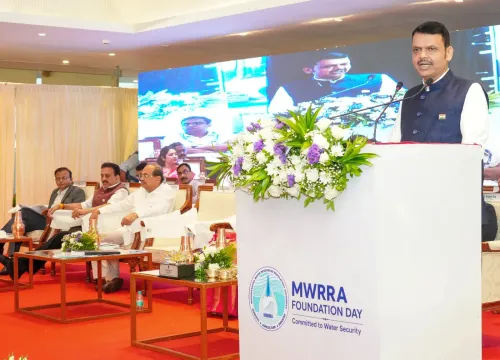
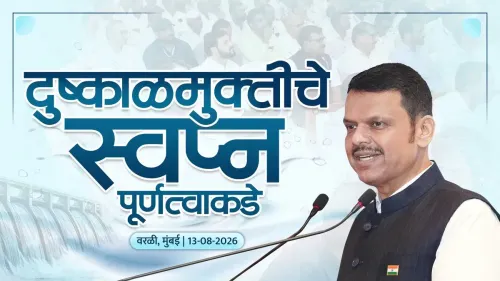
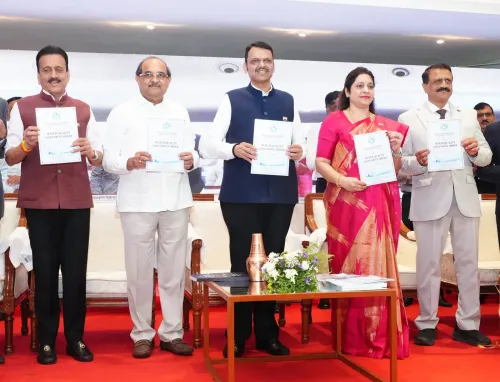
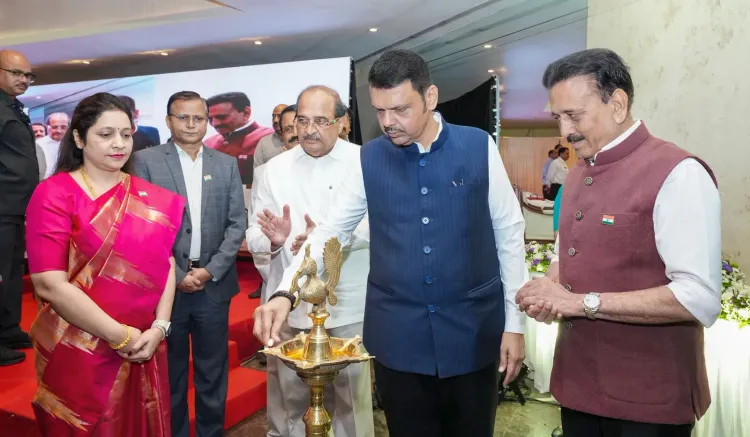
Chief Minister Devendra Fadnavis led the MWRRA Foundation Day seminar in Worli, Mumbai on 13 August 2026, joined by Ministers Radhakrishna Vikhe Patil and Girish Mahajan. The event spotlights Maharashtra's two-decade-old independent water regulator and its role managing the state's chronic water-allocation pressures.
Key Takeaways
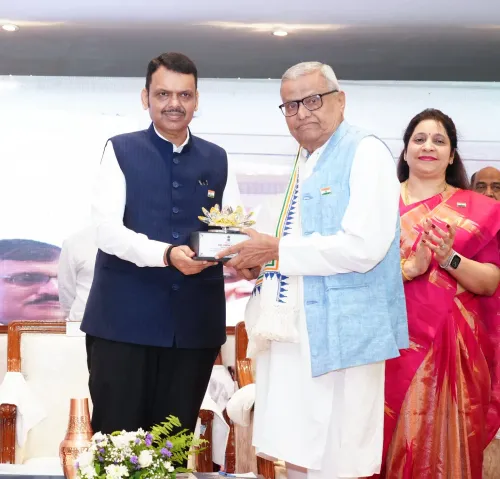
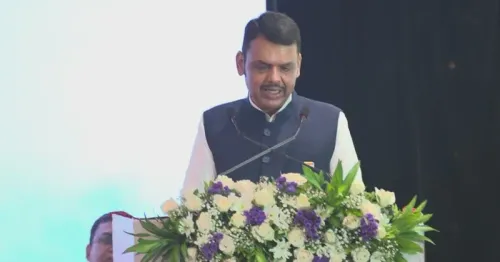
Chief Minister Devendra Fadnavis was the chief guest at the MWRRA Foundation Day seminar and workshop held in Worli, Mumbai on 13 August 2026 .
Minister Girish Mahajan (Water Resources) and Minister Radhakrishna Vikhe Patil (Rural Development) were present, forming a key water-policy quorum.
The MWRRA was established under the MWRRA Act, 2005 to independently regulate water tariffs, resolve disputes, and ensure equitable basin-level allocation.
Maharashtra's water governance challenge spans agriculture-dependent Marathwada and Vidarbha, urban demand from Mumbai and Pune, and growing industrial corridors.
Workshop recommendations could feed into future state budget decisions on irrigation tariffs and basin-level planning frameworks.
Farmers and water user associations are the constituencies most directly affected by MWRRA policy outcomes.
Water governance in Maharashtra got a high-level moment of reckoning on 13 August 2026, as Chief Minister Devendra Fadnavis took centre stage at a seminar and workshop organised to mark the Foundation Day of the Maharashtra Water Resources Regulatory Authority (MWRRA) in Worli, Mumbai. Two cabinet ministers flanking him signalled this was no routine anniversary — it was a working session on one of the state's most contested resources.
What the MWRRA Is — and Why Its Anniversary Matters
The MWRRA was born out of the Maharashtra Water Resources Regulatory Authority Act, 2005 — a landmark reform that introduced independent regulation of surface and groundwater at a time when competing demands from agriculture, urban centres, and industry were pulling the state's river basins in every direction. Its mandate: fix water tariffs, adjudicate inter-sectoral disputes, and ensure equitable allocation across basins. In a state that swings between floods and droughts with alarming regularity, that mandate is anything but ceremonial.
Foundation Day seminars of this kind typically serve as a structured review — an occasion for the authority to table its challenges, hear from water user associations, and receive political direction on the priorities ahead.
Fadnavis, Vikhe Patil, and Mahajan: A Water-Policy Quorum
The ministerial lineup was pointed. Radhakrishna Vikhe Patil, holding the rural development portfolio, and Girish Mahajan, the state's Water Resources Minister overseeing major irrigation and dam projects, were both present alongside CM Fadnavis. That combination — the chief minister, the rural development minister, and the irrigation minister — in one room for a regulatory body's workshop suggests the agenda reached well beyond anniversary speeches.
Fadnavis had during his earlier term (2014–2019) pushed irrigation expansion and water conservation programmes aggressively; his presence here signals continuity of that focus. Maharashtra's successive governments have used the MWRRA to review project clearances and tariff structures, particularly after drought years stress-test the system.
What the Workshop Could Feed Into
Workshops of this nature at the MWRRA level often generate recommendations that find their way into the next state budget cycle or irrigation department orders — whether on tariff revisions, basin-level planning frameworks, or the governance of water user associations that sit at the last mile of the distribution chain. Farmers and water user associations, the two constituencies most directly affected by MWRRA decisions, will be watching for any follow-through.
Maharashtra's water stress is structural, not seasonal. Urban demand from Mumbai and Pune, agricultural pressure from the Marathwada and Vidarbha belts, and the competing claims of industrial corridors make the MWRRA's role one of the most consequential — and quietly political — in the state's governance architecture.
The real test is what leaves the seminar room and reaches the policy file.
Point of View
Not a technocratic afterthought. The MWRRA sits at the intersection of Maharashtra's most volatile fault lines: farmer distress in Marathwada, urban water security in Mumbai, and the state's irrigation infrastructure backlog. Successive governments have used the authority as a pressure valve; the question is whether this workshop produces actionable tariff or basin-planning reforms, or remains a high-profile anniversary event. With the state budget cycle approaching, any recommendations from the seminar will be closely read by irrigation-sector stakeholders.
NationPress
28 Sept 2026
Frequently Asked Questions
What is the Maharashtra Water Resources Regulatory Authority (MWRRA)?
The MWRRA is a statutory independent regulator created under the Maharashtra Water Resources Regulatory Authority Act, 2005. It is responsible for fixing water tariffs, adjudicating disputes between water users, and ensuring equitable allocation of surface and groundwater across the state's river basins.
Why did CM Devendra Fadnavis attend the MWRRA Foundation Day event?
CM Fadnavis attended as the chief guest at the seminar and workshop organised to mark the MWRRA's Foundation Day in Worli, Mumbai on 13 August 2026, alongside Ministers Girish Mahajan and Radhakrishna Vikhe Patil, reflecting the government's focus on water governance.
Who is Girish Mahajan and what is his role in Maharashtra's water sector?
Girish Mahajan is Maharashtra's Minister for Water Resources, overseeing the state's major irrigation and dam projects and the policy framework governing water allocation across the state.
What issues does the MWRRA deal with in Maharashtra?
The MWRRA manages competing water demands from agriculture, urban areas like Mumbai and Pune, and industry — particularly in drought-prone regions like Marathwada and Vidarbha. It reviews project clearances, sets tariff structures, and works with water user associations.
What could come out of the MWRRA Foundation Day workshop?
Workshops of this kind often generate policy recommendations on water tariff revisions and basin-level planning that can feed into the state's budget cycle or irrigation department orders, directly affecting farmers and water user associations.