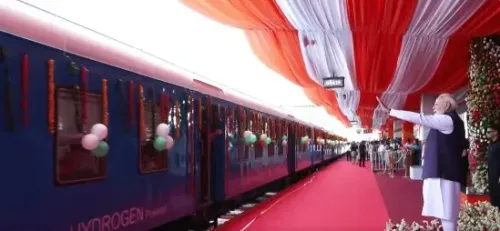
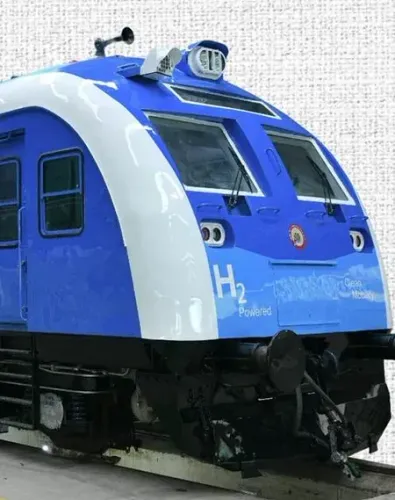
India's first hydrogen train: PM Modi to flag off Jind-Sonipat run on July 17
Synopsis
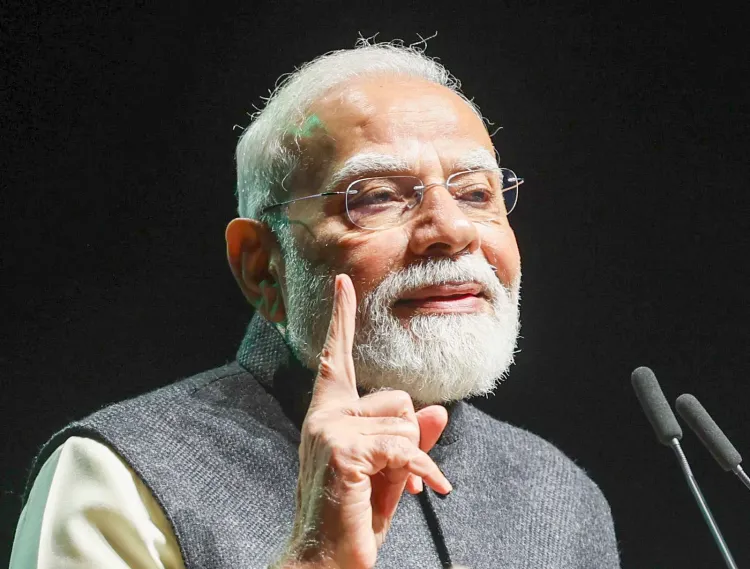
India is about to join Germany, Japan, and China in the hydrogen rail club. PM Modi's July 17 flag-off of the Jind-Sonipat hydrogen train is not just a ribbon-cutting — it is the first real test of whether Indian Railways can build indigenous hydrogen infrastructure at scale and make it stick.
Key Takeaways
PM Narendra Modi will flag off India's first hydrogen-powered train from Jind, Haryana on 17 July .
The train will run on the Jind-Sonipat pilot corridor using hydrogen fuel cell technology, emitting only water vapour .
An indigenous hydrogen storage and refuelling facility has been set up at Jind, licensed by PESO .
Safety systems include hydrogen leak detectors , flame detectors , and 24/7 monitoring of the refuelling system.
Operation and maintenance manuals have been approved by RDSO ; trained staff will accompany the train during initial operations.
India joins Germany , Japan , China , and the US in testing or operating hydrogen rail systems.
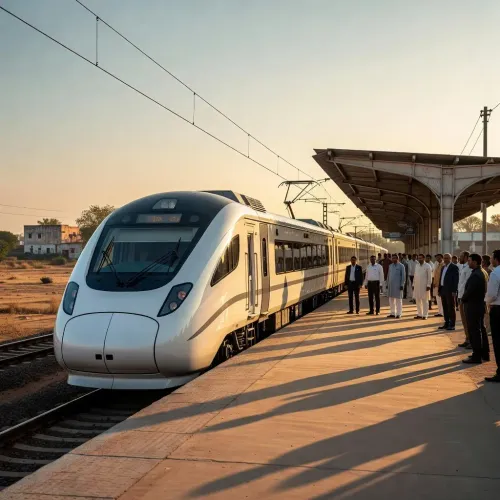
Prime Minister Narendra Modi is set to flag off India's first hydrogen-powered train from Jind in Haryana on 17 July, marking a landmark moment for Indian Railways and the country's clean energy transition. The train will operate on the Jind-Sonipat corridor, making India one of a select group of nations to deploy hydrogen fuel cell technology for rail transport.
The Route and Infrastructure
The Jind-Sonipat section has been designated as the pilot corridor for hydrogen-powered rail operations. An indigenous hydrogen storage and refuelling facility has been established at Jind, and the Petroleum and Explosives Safety Organisation (PESO) has granted the requisite licence for the storage and dispensing of compressed hydrogen gas at the site.
A dedicated hydrogen compression system has been installed for refuelling, along with technical support infrastructure and critical spares to ensure fail-safe operations. A standby compressor unit is also being provisioned to minimise downtime.
How Hydrogen Fuel Cell Technology Works
Hydrogen fuel cell technology generates electricity through a chemical reaction between hydrogen and oxygen, with water vapour as the sole emission — a stark contrast to conventional diesel or fossil fuel-based traction systems. This positions hydrogen rail as a credible zero-emission alternative, particularly on non-electrified routes where overhead wiring is not viable.
Globally, countries including Germany, Japan, China, and the United States are at varying stages of testing or operating hydrogen-powered trains. India's entry into this space, according to an official statement, comes as the technology remains at a nascent stage worldwide.
Safety Protocols and Oversight
The launch comes with an extensive safety framework. Multiple sensors — including hydrogen leak detectors and flame detectors — have been installed at the production, storage, and dispensing facility, and will be subject to regular inspection and cleaning. Operation and maintenance manuals for both the train set and the hydrogen plant have been approved by the Research Designs and Standards Organisation (RDSO).
The approval framework mandates 24/7 monitoring of the hydrogen refuelling system, deployment of trained and certified personnel for critical operations, and a structured schedule of inspections and maintenance. The proposed maintenance facility at Shakurbasti is also being readied with necessary safety provisions and standard operating procedures.
During the initial phase, trained technical staff will travel on board the train to ensure smooth functioning.
Significance for India's Clean Energy Goals
The hydrogen train project aligns directly with India's net-zero carbon emission targets and its broader national clean energy agenda. Indian Railways — one of the world's largest rail networks — has committed to achieving net-zero carbon emissions by 2030, and hydrogen traction is seen as a key lever on non-electrified or partially electrified sections.
Notably, this is not just a technology demonstration — the infrastructure built at Jind, including the indigenous refuelling facility, signals an intent to develop domestic hydrogen rail capability rather than rely solely on imported systems. How quickly the pilot scales will determine whether hydrogen becomes a meaningful part of Indian Railways' decarbonisation toolkit.
Point of View
But the harder question is what comes after the flag-off. Hydrogen rail globally has struggled to scale beyond pilots — Germany's Coradia iLint, the world's first commercial hydrogen train, ran on a limited corridor before being phased out in favour of battery alternatives. Indian Railways' bet on indigenous refuelling infrastructure at Jind is the right instinct, but the network's sheer scale means a single pilot corridor proves little. The real test is cost per kilometre versus battery-electric on comparable non-electrified sections — a comparison the government has not yet made public. Until that data is on the table, the July 17 launch is a promising start, not a solved problem.
NationPress
14 Oct 2026
Frequently Asked Questions
What is India's first hydrogen-powered train and where will it run?
India's first hydrogen-powered train is a fuel cell-based rail set that will operate on the Jind-Sonipat corridor in Haryana. It will be flagged off by Prime Minister Narendra Modi on 17 July from Jind, making India one of a select group of nations to deploy hydrogen traction for passenger rail.
How does hydrogen fuel cell technology work in trains?
Hydrogen fuel cell trains generate electricity through a chemical reaction between hydrogen and oxygen. The only byproduct is water vapour, making it a zero-emission alternative to diesel traction. The technology is particularly relevant for rail routes that are not electrified.
What safety measures are in place for the hydrogen train?
The Jind facility is equipped with hydrogen leak detectors, flame detectors, and a 24/7 monitoring system for the refuelling infrastructure. RDSO-approved operation and maintenance manuals are in place, and trained technical staff will accompany the train during its initial phase of operations.
Which other countries use hydrogen-powered trains?
Germany, Japan, China, and the United States are among the countries currently testing or operating hydrogen-powered trains, according to an official statement. The technology is still at a nascent stage globally, with only a limited number of nations running such systems.
How does this fit into Indian Railways' clean energy goals?
Indian Railways has committed to achieving net-zero carbon emissions by 2030. The hydrogen train pilot on the Jind-Sonipat route is part of the broader strategy to decarbonise non-electrified sections of the network, where overhead electrification is not economically viable.