India's first hydrogen fuel cell train cleared for Jind-Sonipat section
Synopsis
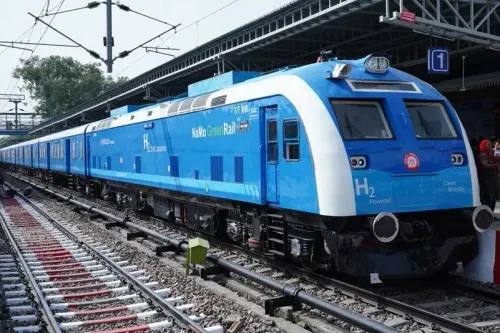
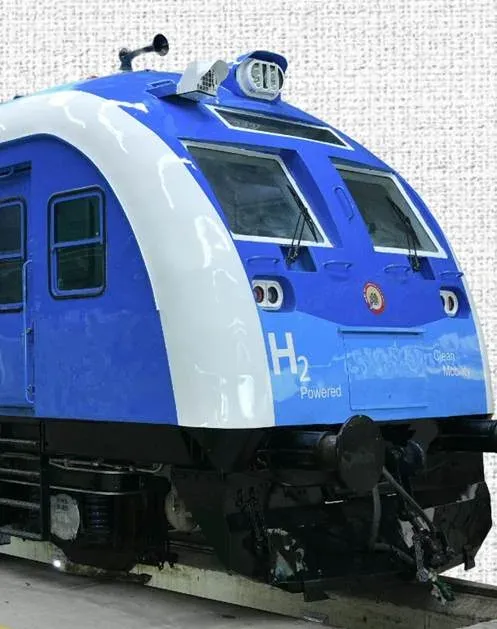
India has cleared its first hydrogen-powered train for revenue operations on the Jind-Sonipat section in Haryana — a 10-car, 1,200 KW trainset that emits only water vapour. With indigenous refuelling infrastructure already in place and PESO clearance secured, this is no longer a blueprint: it is a live pilot that could define the next chapter of Indian Railways' decarbonisation strategy.
Key Takeaways
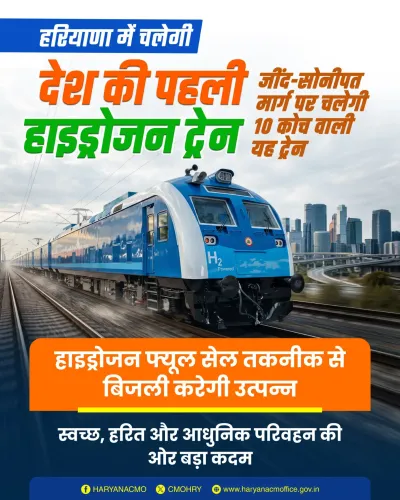
Indian Railways has approved a 10-car Hydrogen Fuel Cell trainset for the Jind-Sonipat section of Northern Railway in Haryana .
The train will run at a maximum speed of 75 kmph , powered by a 1,200 KW hydrogen fuel cell propulsion system.
An indigenous hydrogen storage and refuelling facility has been set up at Jind , licensed by PESO .
24x7 monitoring , hydrogen leak detectors, flame detectors, and trained on-board staff are mandated during the initial phase.
Maintenance operations will be handled at Shakurbasti , with manuals approved by RDSO .
India joins Germany , Japan , China , and the United States in operational or pilot hydrogen rail programmes.
Indian Railways has received approval to launch a 10-car Hydrogen Fuel Cell-based trainset on the Jind-Sonipat section of Northern Railway in Haryana, the Railway Ministry confirmed in a statement on Wednesday, 27 May. The move marks India's first operational hydrogen-powered rail deployment and places the country alongside Germany, Japan, China, and the United States in exploring hydrogen for cleaner rail transport.
Key Specifications
The trainset will operate at a maximum speed of 75 kmph, powered by a 1,200 KW hydrogen fuel cell propulsion system. Hydrogen fuel cell technology generates electricity through a chemical reaction using hydrogen, producing only water vapour as emission — making it a zero-pollutant alternative to conventional fossil fuel-based traction.
Infrastructure at Jind
An indigenous hydrogen storage and refuelling facility has been established at Jind specifically for this trainset. The Petroleum and Explosives Safety Organisation (PESO) has granted the requisite licence for storage and dispensing of compressed hydrogen gas at the site. A dedicated hydrogen compression system has been installed for refuelling operations, along with a standby compressor unit, technical support, and critical spare parts to ensure fail-safe functioning.
Safety and Monitoring Protocols
The approval mandates round-the-clock — 24x7 — monitoring of the hydrogen refuelling system. Safety sensors including hydrogen leak detectors and flame detectors have been installed at the production, storage, and dispensing facility, with regular inspection and cleaning schedules to prevent dust accumulation. During the initial phase, trained technical staff will accompany the train on every run.
Operation and maintenance manuals for both the trainset and the hydrogen plant, approved by the Research Designs and Standards Organisation (RDSO), are being made available. A dedicated maintenance facility is being readied at Shakurbasti, with standard operating procedures and regular safety audits mandated by the government.
Broader Significance
The project aligns with India's national clean energy goals and its commitment to achieving net-zero carbon emissions. Hydrogen-based rail systems are gaining global traction as a viable solution for decarbonising routes where electrification is not cost-effective. This pilot on the Jind-Sonipat corridor is expected to generate operational data that could inform a wider rollout across the Indian Railways network. The deployment is also a demonstration of indigenous capability, with the refuelling infrastructure developed domestically.
Point of View
But the harder question is scalability. Hydrogen rail works best on non-electrified, low-frequency corridors — and India has thousands of kilometres of exactly that. Yet the economics of green hydrogen remain steep, and the pilot's 75 kmph ceiling is well below what mainline operations demand. The real test will be whether Indian Railways can use this corridor to drive down per-unit hydrogen costs before the next phase of rollout, or whether this remains a showcase project that does not translate into a credible decarbonisation pathway for the broader network.
NationPress
11 Oct 2026
Frequently Asked Questions
What is India's first hydrogen fuel cell train?
It is a 10-car trainset powered by a 1,200 KW hydrogen fuel cell propulsion system, approved by Indian Railways for operations on the Jind-Sonipat section of Northern Railway in Haryana. The train runs at a maximum speed of 75 kmph and emits only water vapour.
Which route will the hydrogen train operate on?
The train will run on the Jind-Sonipat section in Haryana, identified as the pilot corridor for this technology. An indigenous hydrogen refuelling facility has been set up at Jind to support operations.
How safe is the hydrogen fuel cell train?
The approval mandates 24x7 monitoring of the refuelling system, hydrogen leak detectors, flame detectors, and regular inspection schedules. Trained and certified technical staff will accompany the train during the initial phase of operations.
Which countries already operate hydrogen trains?
Germany, Japan, China, and the United States are among the select group of countries currently operating or testing hydrogen rail systems. India now joins this group with the Jind-Sonipat pilot, according to the Railway Ministry statement.
How does hydrogen fuel cell technology work in trains?
Hydrogen fuel cells generate electricity through a chemical reaction between hydrogen and oxygen, with water vapour as the only by-product. This makes it a zero-emission alternative to diesel traction, particularly suited for routes where overhead electrification is not feasible.