Tripura plans ₹1,000-crore flood shield and Gomati river link for Agartala
Synopsis
Tripura is pursuing a ₹1,000-crore flood defence scheme and a 60-km river link from the Gomati to Agartala — while also committing to treat polluted canal water before it reaches Bangladesh. The twin proposals signal a rare convergence of domestic water security and cross-border environmental diplomacy.
Key Takeaways
Tripura has proposed a ₹1,000-crore flood protection project for Agartala , covering two embankments and three new pumping stations .
A river-linking plan aims to bring surface water from the Gomati River , located 60 km away, to reduce dependence on iron-rich groundwater.
A Detailed Project Report will assess feasibility, year-round water availability, and environmental impact before any final decision.
Tripura has 12 major and medium rivers , of which eight flow into Bangladesh , along with several canals.
A water treatment plant will be set up to treat polluted canal water before it crosses into Bangladesh , following concerns raised by a Bangladesh minister over health impacts.
Chief Minister Manik Saha has ordered all departments to maintain full monsoon preparedness, citing the July–August 2024 floods.
The Tripura government has put forward two major long-term infrastructure proposals for Agartala — a ₹1,000-crore flood protection project and a river-linking plan to channel surface water from the Gomati River to the state capital — aimed at bolstering flood resilience and securing a sustainable drinking water supply for the city.
Key Developments
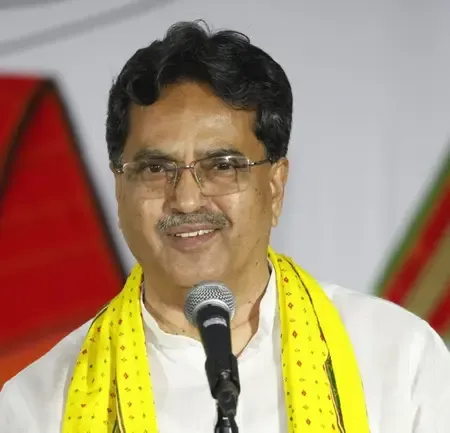
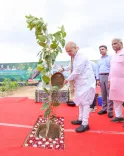
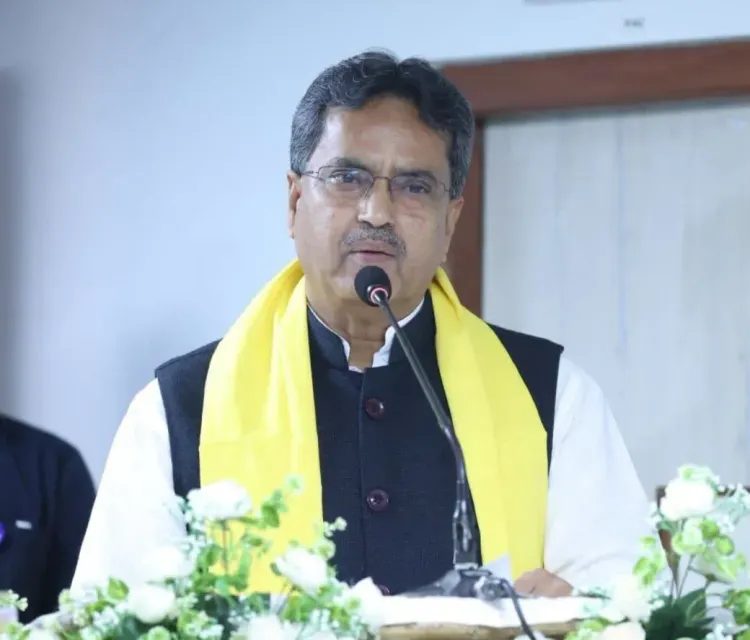
Chief Minister Manik Saha, speaking at the inauguration of a renovated water body in Agartala on 12 July, said the government intends to progressively reduce the city's reliance on groundwater for drinking, domestic, and essential uses by tapping sustainable surface water sources. The flood mitigation proposal envisages the construction of two protective embankments and the installation of three additional pumping stations to strengthen the city's drainage network and reduce urban flood risk.
Saha noted the project would be rolled out in phases, subject to fund availability. He also directed all departments to remain on high alert during the current monsoon season, citing the devastating floods that struck Tripura in July and August 2024. Officials were instructed to keep rescue equipment, boats, and relief shelters operational, maintain stocks of food, drinking water, and medicines, and issue timely warnings to residents in low-lying and vulnerable areas.
The Gomati River-Linking Proposal
The second proposal involves drawing surface water from the Gomati River, located approximately 60 km from Agartala, to reduce the capital's dependence on iron-rich groundwater, which has long complicated the city's drinking water supply. According to Saha, experts have assessed the proposal as technically feasible, noting that Agartala already possesses an extensive water distribution network that could carry treated surface water with minimal additional infrastructure.
A Detailed Project Report (DPR) will evaluate the technical viability, year-round water availability in the Gomati River, the volume that can be sustainably diverted, and relevant environmental and engineering factors before any final decision is made. Saha clarified that the river-linking proposal remains at the planning stage and no final decision has been taken.
Cross-Border Water Quality Concern
Tripura has 12 major and medium rivers, of which eight flow through various districts before entering Bangladesh. Several canals also discharge into the neighbouring country. Saha said a Bangladesh minister had previously raised concerns that polluted canal water flowing from Tripura was causing skin and other health problems among communities living across the border.
'In view of this, we have decided to set up a water treatment plant to treat the canal water before it flows into the neighbouring country,' Saha stated. The treatment plant proposal underscores the cross-border environmental dimension of Tripura's water management challenge.
What Comes Next
If the Gomati River link is found viable through the DPR process, the concept could be expanded to harness water from other rivers in the state before they cross into Bangladesh. The phased approach to both the flood project and the river-linking initiative signals that execution will depend heavily on funding timelines and technical clearances. The water treatment plant, however, appears to be a more immediate commitment, driven by diplomatic as well as public health considerations.
Point of View
And the Gomati plan is explicitly contingent on both. The more immediately consequential commitment is the canal treatment plant — a direct response to a diplomatic signal from Bangladesh, and one where inaction carries a measurable bilateral cost. Agartala's iron-rich groundwater problem is not new; what is new is the political will to frame it as a surface-water transition rather than a treatment-at-source problem. Whether that framing survives budget cycles will be the real test.
NationPress
12 Jul 2026
Frequently Asked Questions
What is Tripura's ₹1,000-crore flood protection project for Agartala?
It is a proposed flood mitigation scheme that envisages the construction of two protective embankments and three additional pumping stations to improve Agartala's drainage system and reduce urban flood risk. The project will be implemented in phases depending on fund availability, according to Chief Minister Manik Saha.
What is the Gomati river-linking plan and why is it being considered?
The plan proposes drawing surface water from the Gomati River, about 60 km from Agartala, to reduce the city's reliance on iron-rich groundwater that has long posed challenges to the drinking water supply. Experts have reportedly found the proposal technically feasible, and a Detailed Project Report will be prepared before any final decision is taken.
Why is Tripura setting up a water treatment plant for canal water flowing into Bangladesh?
A Bangladesh minister had raised concerns that polluted canal water flowing from Tripura was causing skin and other health problems in communities across the border. In response, Tripura's government decided to set up a treatment plant to clean the canal water before it enters Bangladesh.
How many of Tripura's rivers flow into Bangladesh?
Of Tripura's 12 major and medium rivers, eight flow through different districts before joining major rivers in Bangladesh. Several canals from the state also discharge into Bangladesh.
What is the current status of the river-linking proposal?
The river-linking proposal is still at the planning stage and no final decision has been taken. A Detailed Project Report will assess technical feasibility, year-round water availability in the Gomati River, sustainable diversion volumes, and environmental factors before the project moves forward.