Tripura Water Grid: Manik Saha pushes Gomati River plan to cut groundwater use
Synopsis
Tripura is betting on its rivers to solve a groundwater crisis hiding in plain sight. Chief Minister Manik Saha's push to activate the Tripura Water Grid — tapping 12 rivers, starting with the Gomati — is driven by a rarely-discussed problem: much of Agartala's groundwater carries dangerously high iron levels. The first phase targets four cities across three districts, but the plan's ambition is statewide.
Key Takeaways
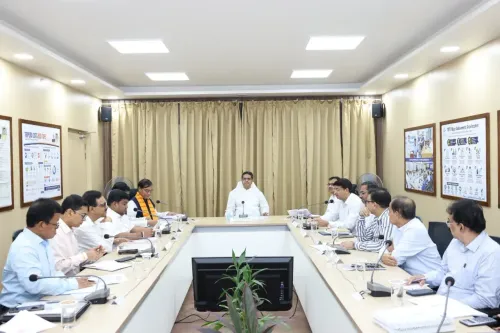
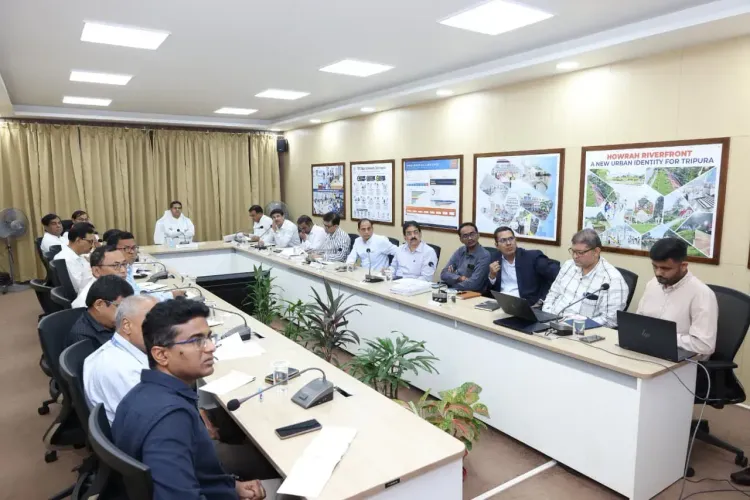
Chief Minister Manik Saha chaired a high-level review of the Tripura Water Grid project on 24 June in Agartala .
The grid will tap surplus surface water from 12 rivers across the state to supply piped drinking water.
Phase 1 covers Udaipur , Bishramganj , Bishalgarh , and Agartala using water from the Gomati River .
A major share of Agartala's current supply depends on groundwater, which carries high iron levels across many parts of the state.
Plans include raw water reservoirs for dry-season storage and a rainwater harvesting push during the monsoon.
The project is to be pursued in mission mode with statewide coverage as its long-term goal.
Tripura Chief Minister Manik Saha on Wednesday, 24 June chaired a high-level review meeting in Agartala on the proposed Tripura Water Grid project, directing officials to pursue the initiative in mission mode and develop a long-term, sustainable water resource management plan covering the entire state. The project aims to tap surplus surface water from 12 rivers across Tripura to reduce the state's heavy dependence on groundwater.
What the Tripura Water Grid Proposes
The Tripura Water Grid envisages drawing water from 12 rivers spread across the state for piped drinking water supply. In its first phase, water from the Gomati River — one of Tripura's eight major rivers — would be channelled to Udaipur, Bishramganj, Bishalgarh, and Agartala, covering three districts. The plan also includes drawing water from the Maharani Barrage area in Udaipur, and developing supporting infrastructure such as transmission pipelines, raw water reservoirs, and water treatment facilities.
Why Groundwater Is No Longer Enough
Good Governance Department Secretary Kiran Gitte made a detailed presentation at the meeting, noting that a major portion of Agartala's current drinking water supply depends on groundwater. Rapid urbanisation, a growing population, and recurring dry-season shortages have made this model unsustainable, he said. Officials further flagged that groundwater across many parts of Tripura carries persistently high iron levels, posing a long-term public health concern. Shifting to surface water sources is expected to address both the supply gap and the quality problem.
Key Decisions from the Review Meeting
Chief Minister Saha directed that planning must extend beyond Agartala's immediate needs to account for the future drinking water requirements of the entire state. The meeting deliberated on excavating separate raw water reservoirs to store water during the dry season and ensure uninterrupted supply year-round. Saha also underlined the importance of rainwater harvesting and conservation during the monsoon season. 'Nothing is impossible if there is determination and perseverance. A far-sighted vision often lays the foundation for remarkable achievements,' Saha said at the meeting.
Officials and Ministers Present
The review was attended by Finance Minister Pranajit Singha Roy, Speaker of the Tripura Legislative Assembly Ram Pada Jamatia, Agartala Municipal Corporation Mayor and MLA Dipak Majumder, MLA Abhishek Debroy, Drinking Water and Sanitation Secretary Abhishek Singh, Public Works Department Secretary P.K. Goyal, and senior officials from multiple departments.
What Comes Next
The Gomati River flows into neighbouring Bangladesh after traversing a significant part of Tripura, making early infrastructure development along its upper reaches a priority before cross-border flow constraints become a factor. Officials said the initiative, once operationalised, would significantly cut groundwater reliance and help resolve the state's iron-contamination problem. A permanent Gomati River-based drinking water supply system for future demand was also discussed at the meeting, signalling that the project's ambitions stretch well beyond Phase 1.
Point of View
Both historically weak links in northeastern infrastructure projects. The iron-contamination angle is underreported and arguably the strongest public health justification for the shift to surface water, yet it received less emphasis in official communication than the supply-volume argument. The Gomati's cross-border flow into Bangladesh also introduces a diplomatic dimension that the state government has not publicly addressed. Mission-mode declarations are routine; what will matter is whether a concrete project deadline and funding commitment follow this review.
NationPress
23 Sept 2026
Frequently Asked Questions
What is the Tripura Water Grid project?
The Tripura Water Grid is a proposed drinking water supply system that will draw surplus surface water from 12 rivers across the state to reduce dependence on groundwater. In its first phase, water from the Gomati River will supply Udaipur, Bishramganj, Bishalgarh, and Agartala across three districts.
Why is Tripura moving away from groundwater for drinking water?
Agartala currently relies heavily on groundwater, which faces two compounding problems: rising demand from urbanisation and population growth, and persistently high iron levels that affect water quality across many parts of the state. Officials say a sustainable surface water source is urgently needed.
Which cities will benefit in the first phase of the project?
The first phase covers four cities — Udaipur, Bishramganj, Bishalgarh, and Agartala — spanning three districts of Tripura, using water drawn from the Gomati River and the Maharani Barrage area in Udaipur.
What infrastructure will the Tripura Water Grid require?
The project requires transmission pipelines, raw water reservoirs for dry-season storage, and water treatment facilities. The meeting also discussed excavating separate reservoirs to ensure uninterrupted supply during periods of scarcity.
What is the long-term vision for water management in Tripura?
Chief Minister Manik Saha has directed that planning must extend beyond Agartala to cover the entire state's future drinking water needs. The government is also pushing rainwater harvesting during the monsoon season and wants to utilise water currently going unused or wasted.