CM Manik Saha Chairs Tripura Water Grid Review Meet
Synopsis
Tripura CM Dr. Manik Saha chaired a review meeting on the Tripura Water Grid, which plans to harness surplus surface water from 12 rivers. The first phase will supply drinking water to Agartala, Udaipur, Bishalgarh, and Bishramganj from the Gomati River, reducing reliance on iron-contaminated groundwater.
Key Takeaways
Manik Saha chaired a review meeting on 24 June 2026 for the proposed Tripura Water Grid .
The grid plans to tap surplus surface water from 12 rivers across Tripura for drinking water supply.
The first phase will use Gomati River surface water to supply Udaipur , Bishalgarh , Bishramganj , and Agartala .
The initiative aims to significantly reduce dependence on groundwater, which has high iron contamination in Tripura.
The project aligns with the Centre's Jal Jeevan Mission (launched 2019 ), which promotes diversified drinking water sources.
Environmental clearances, funding releases, and infrastructure rollout remain key steps before implementation begins.
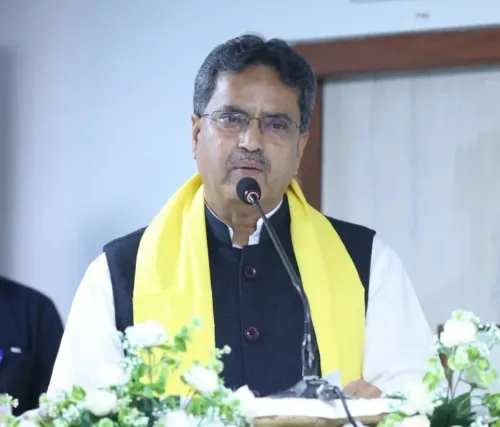
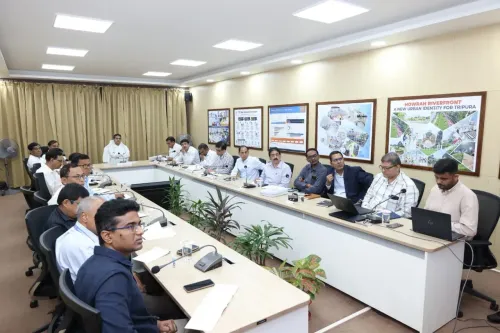
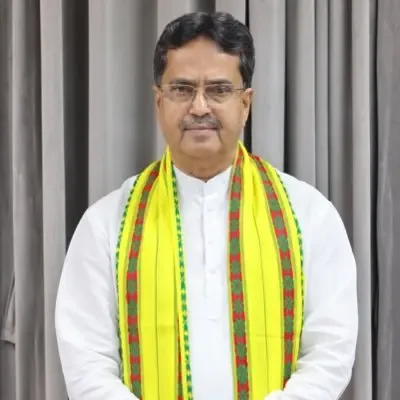
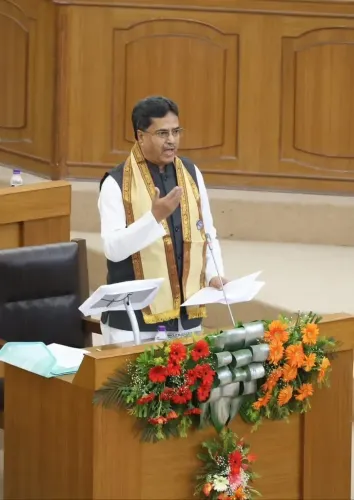
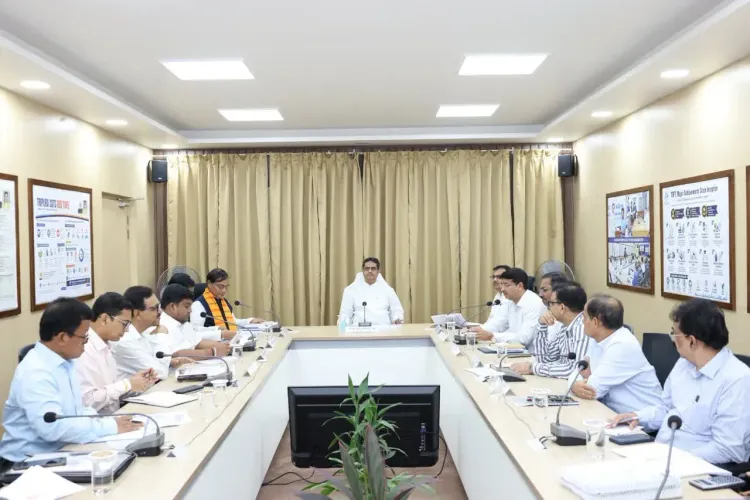
Tripura Chief Minister Dr. Manik Saha on Wednesday, 24 June 2026 chaired a key review meeting on the proposed Tripura Water Grid, a state initiative aimed at providing safe and pure drinking water to residents by harnessing surplus surface water from the state's rivers.
Posting on X, Dr. Saha said the meeting deliberated in detail on plans to utilise surplus surface water from 12 rivers across Tripura for drinking water supply. In the first phase, surface water from the Gomati River will be used to supply drinking water to the towns of Udaipur, Bishalgarh, Bishramganj, and the state capital Agartala. He added that once implemented, the initiative would significantly reduce dependence on groundwater and provide a lasting solution to the problem of high iron concentration found in Tripura's groundwater aquifers.
Context
Tripura has long grappled with elevated iron levels in its groundwater, a geogenic contamination problem that renders underground sources unsuitable as a primary drinking water supply without expensive treatment. The state's surface water resources — spread across multiple river systems — have remained largely untapped for this purpose. The Tripura Water Grid concept seeks to change that by building infrastructure to abstract, treat, and distribute river surface water at scale.
The Gomati River, one of Tripura's major rivers, has been identified as the starting point. Connecting Udaipur, Bishalgarh, Bishramganj, and Agartala in the first phase means the grid would cover both the state capital and several significant urban centres from the outset.
Policy Backdrop
The Tripura Water Grid aligns with the Centre's Jal Jeevan Mission, launched in 2019, which promotes piped drinking water connections to every household and explicitly encourages states to diversify water sources beyond groundwater. The national mission has accelerated state-level investments in surface water infrastructure, particularly in regions where aquifer quality is compromised.
Across India's northeastern states, high iron and arsenic concentrations in groundwater aquifers have pushed planners toward river-based alternatives. Tripura's proposed grid fits into this broader national pattern of conjunctive water resource management — balancing surface and groundwater use to ensure long-term supply security.
Stakeholders and Impact
Urban households in Agartala and the three other first-phase towns stand to benefit most immediately, gaining access to treated surface water that meets drinking standards without the iron contamination risk. For groundwater users — both urban and rural — reduced abstraction pressure on aquifers could improve long-term water table stability across the state.
The plan to eventually cover all 12 rivers suggests the grid, if fully realised, could extend supply benefits to a much wider population across Tripura's districts. Environmental clearances, funding allocations, and inter-departmental coordination will be key variables in determining the pace of rollout.
What's Next
The immediate focus will be on advancing the first-phase infrastructure from the Gomati River to the four identified towns. Subsequent phases are expected to bring the remaining eleven rivers into the grid framework, progressively expanding coverage. Observers will watch for formal project approvals, environmental clearances, and the release of funds — both state and central — that will determine whether the grid moves from planning to ground-level execution.
If the Tripura Water Grid proceeds as outlined, it could serve as a replicable model for other northeastern states facing similar groundwater quality challenges under the national water security framework.
Point of View
The Saha administration is prioritising high-population-density impact, which maximises the scheme's demonstrable reach. The alignment with Jal Jeevan Mission also positions the state to leverage central funding, making this as much a fiscal strategy as a public health one. The real test will be execution speed: northeastern infrastructure projects have historically faced delays in clearances and fund disbursement.
NationPress
23 Sept 2026
Frequently Asked Questions
What is the Tripura Water Grid?
The Tripura Water Grid is a state government initiative to harness surplus surface water from Tripura's rivers for drinking water supply, reducing dependence on groundwater that has high iron contamination.
Which rivers are part of the Tripura Water Grid?
The plan covers surplus surface water from 12 rivers in Tripura. The Gomati River has been selected for the first phase of the project.
Which towns will get water from the Gomati River in the first phase?
The first phase will supply drinking water to Udaipur , Bishalgarh , Bishramganj , and the state capital Agartala using Gomati River surface water.
Why is Tripura shifting from groundwater to surface water for drinking?
Tripura's groundwater aquifers have documented high iron concentrations, making the water unsuitable as a primary drinking source without heavy treatment. Surface water from rivers offers a cleaner alternative.
How does the Tripura Water Grid relate to Jal Jeevan Mission?
The Jal Jeevan Mission , launched by the Centre in 2019 , encourages states to diversify drinking water sources beyond groundwater. The Tripura Water Grid aligns with this national framework and could attract central funding support.