CM Yogi Honours Kakori Train Action Martyrs on 101st Anniversary
Synopsis
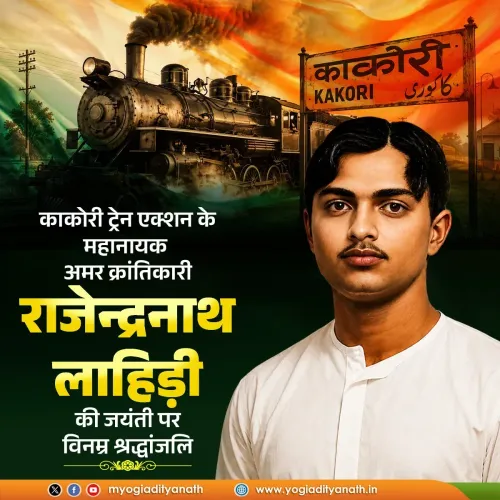
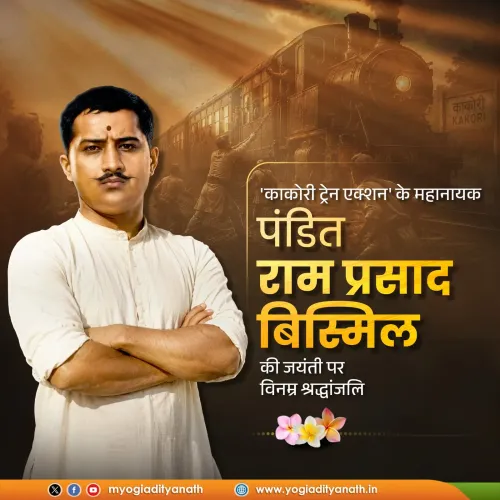
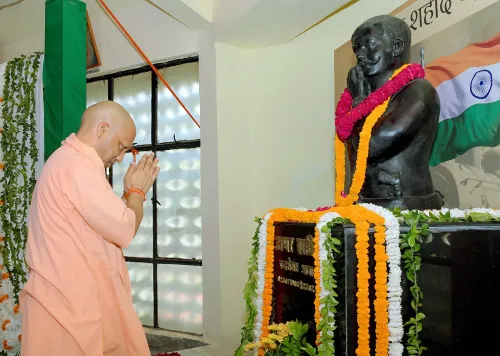
On the 101st anniversary of the 1925 Kakori Train Action, Uttar Pradesh Chief Minister Yogi Adityanath paid tribute to the revolutionaries of the Hindustan Republican Association, calling their sacrifice a golden chapter in India's freedom struggle that keeps the spirit of 'Nation First' alive.
Key Takeaways
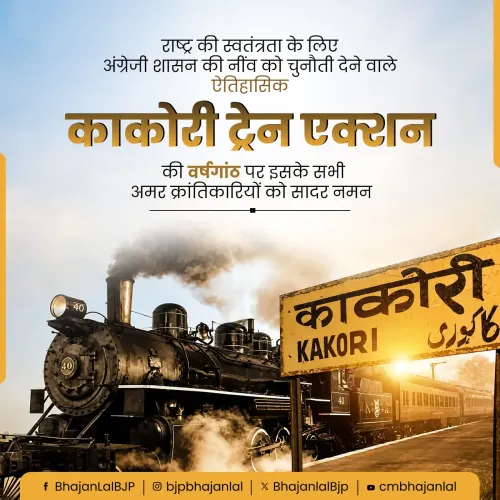
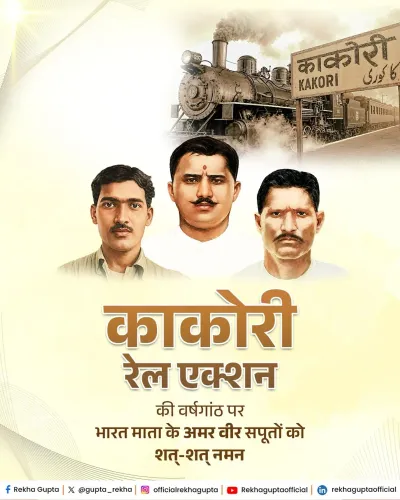
Uttar Pradesh Chief Minister Yogi Adityanath posted a tribute on 9 August 2026 marking the 101st anniversary of the Kakori Train Action.
The Kakori Train Action took place on 9 August 1925 , when members of the Hindustan Republican Association looted a British treasury train near Kakori, UP.
Key martyrs include poet-revolutionary Ram Prasad Bismil and Ashfaqulla Khan , both hanged by British authorities in 1927 .
CM Yogi described the event as a 'golden chapter of indomitable courage, patriotism, and sacrifice' and invoked the spirit of 'Nation First.' 9 August also marks the anniversary of the Quit India Movement (1942) , making it one of the most significant dates on India's freedom-struggle calendar.
A century and one year after ten revolutionaries stopped a British treasury train in the dusty plains of Awadh, Uttar Pradesh Chief Minister Yogi Adityanath paused on 9 August 2026 to bow before their memory — keeping alive a flame that colonial gallows could not extinguish.
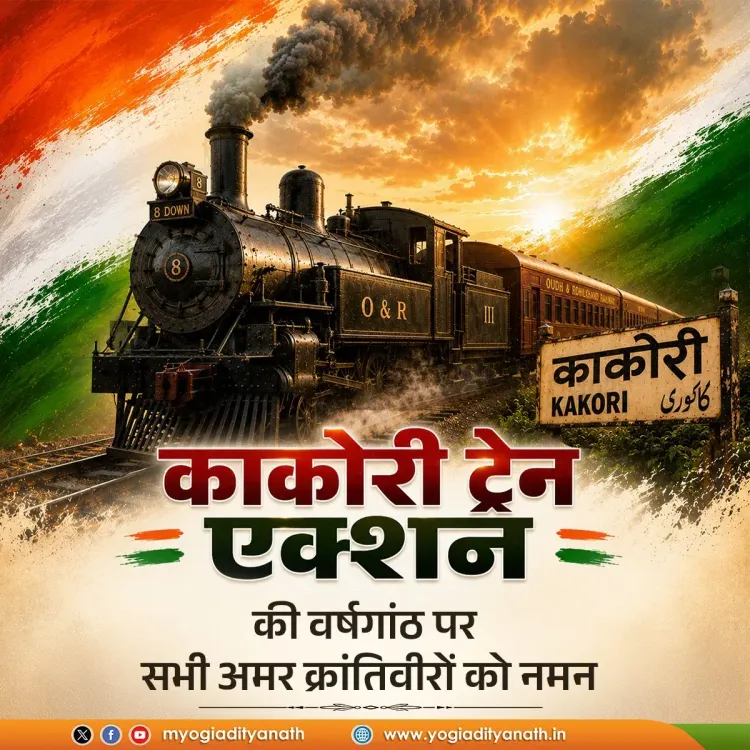
Posting on X in Hindi, the Chief Minister wrote: 'Kakori Train Action ki varshganth par sabhi amar krantiveeron ko naman' — 'On the anniversary of the Kakori Train Action, salutations to all immortal revolutionaries.' He called the event 'a golden chapter of indomitable courage, patriotism, and sacrifice' in the history of India's freedom struggle, one that would forever keep alive the spirit of 'Nation First' in every heart.
What happened at Kakori on 9 August 1925
On 9 August 1925, members of the Hindustan Republican Association (HRA) intercepted a British government train near Kakori, a small town in present-day Uttar Pradesh, and seized its treasury chest. The audacious act was designed to fund armed resistance against colonial rule at a moment when the independence movement was searching for its own voice beyond non-violent protest. The British response was swift and severe. Dozens were arrested; four were hanged. Among them: Ram Prasad Bismil, poet and mastermind, executed on 19 December 1927, and Ashfaqulla Khan, his closest comrade, who walked to the gallows days later. Their friendship — a Hindu and a Muslim united by a single cause — has since become one of the independence struggle's most cited symbols of composite nationalism.Why Indian leaders mark this date every year
The 9 August date carries layered significance in India's political calendar. It is also Quit India Movement Day, the anniversary of Mahatma Gandhi's 1942 call for the British to leave. Together, the two events make the date a touchstone for invoking every strand of the freedom struggle — revolutionary and non-violent alike. For leaders in Lucknow, the Kakori tribute carries particular weight: the action unfolded on Uttar Pradesh soil, and the martyrs are woven into the state's own identity. Annual commemorations by the state government form part of a broader effort to keep revolutionary figures visible alongside the more widely taught non-violent campaigns in school curricula and public memory. The Chief Minister's post is a reminder that the story of 1925 belongs not just to history classrooms but to an ongoing national conversation about what 'freedom' cost — and who paid it.Point of View
Armed-resistance figures of the independence movement alongside the Gandhian tradition — broadening the ideological canvas of 'freedom struggle' memory. For a Chief Minister based in Uttar Pradesh, where the Kakori action physically occurred and where its martyrs are local heroes, the post also carries regional identity weight. The invocation of 'Nation First' is a recurring rhetorical motif that links historical sacrifice to contemporary political messaging without making an overt partisan claim. Annual repetition of such tributes keeps these figures in the news cycle and, by extension, in public consciousness ahead of curriculum and commemoration decisions.
NationPress
9 Aug 2026
Frequently Asked Questions
What was the Kakori Train Action?
The Kakori Train Action was a raid on a British government treasury train on 9 August 1925 by members of the Hindustan Republican Association. Revolutionaries stopped the train near Kakori in present-day Uttar Pradesh and seized its cash chest to fund the armed independence movement.
Who were the main revolutionaries involved in the Kakori case?
The most prominent figures were Ram Prasad Bismil , the poet and organisational leader, and Ashfaqulla Khan , his close comrade. Both were hanged by British authorities in 1927 along with two others after a lengthy trial.
Why does CM Yogi pay tribute to Kakori martyrs every year?
The Kakori action took place on Uttar Pradesh soil, making its martyrs central to the state's historical identity. Indian political leaders across parties regularly mark the anniversary to honour revolutionary contributions to the freedom struggle.
What is the significance of 9 August in Indian history?
9 August is doubly significant: it marks the Kakori Train Action of 1925 and the launch of the Quit India Movement in 1942 , when Mahatma Gandhi called for immediate British withdrawal from India.
Who were the Hindustan Republican Association?
The Hindustan Republican Association (HRA) was a revolutionary organisation formed in the early 1920s that sought to overthrow British rule through armed resistance. The Kakori action was one of its most well-known operations.