J&K Police raid 26 Sopore locations in UAPA case against banned JeI
Synopsis
J&K Police simultaneously searched 26 locations in Sopore under UAPA in a case against the banned Jamaat-e-Islami J&K — an organisation whose ban was extended for five more years as recently as February 2024. The scale of Sunday's sweep signals that investigators believe the group's network remains active nearly six years after the initial crackdown.
Key Takeaways
J&K Police searched 26 locations in Sopore on 9 August in a UAPA case against the banned Jamaat-e-Islami J&K (JeI) .
The MHA extended the ban on JeI J&K for a further five years in February 2024 , citing separatist and terrorist links.
The original ban followed the 2019 Pulwama attack ; JeI was founded in 1953 under Maulana Saaduddin Tarabali .
Hardline leader Syed Ali Shah Geelani broke from JeI to form Tehreek-e-Hurriyat and died in 2021 .
A breakaway faction, Justice and Development Front (JDF-J&K) , has since declared commitment to India's constitutional framework.
Some former JeI members contested the 2024 J&K Assembly elections as independent candidates.
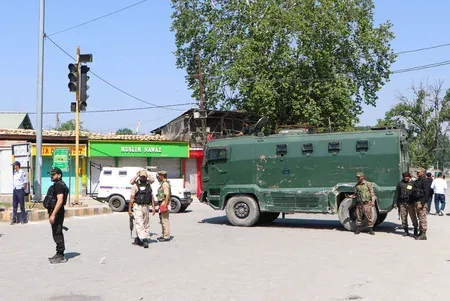
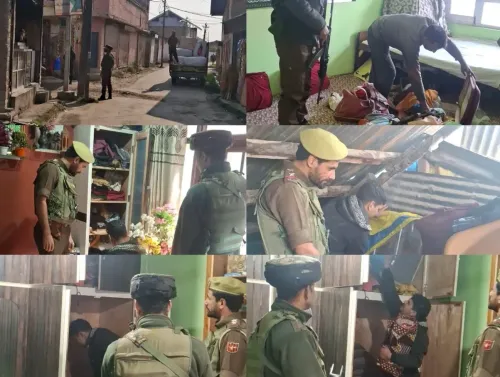
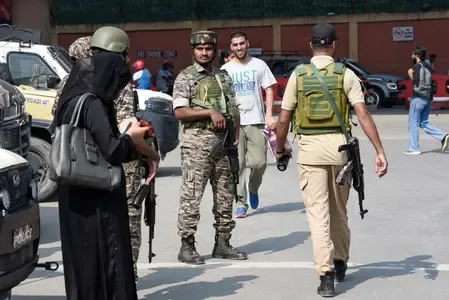
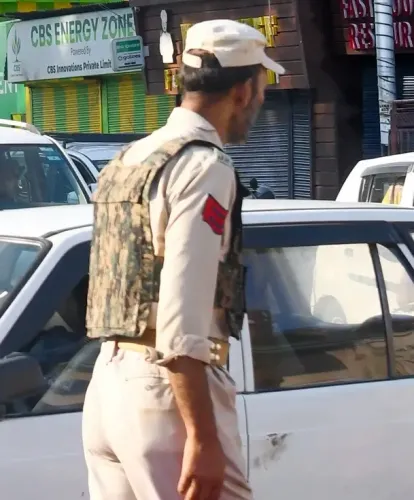
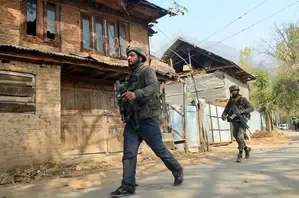
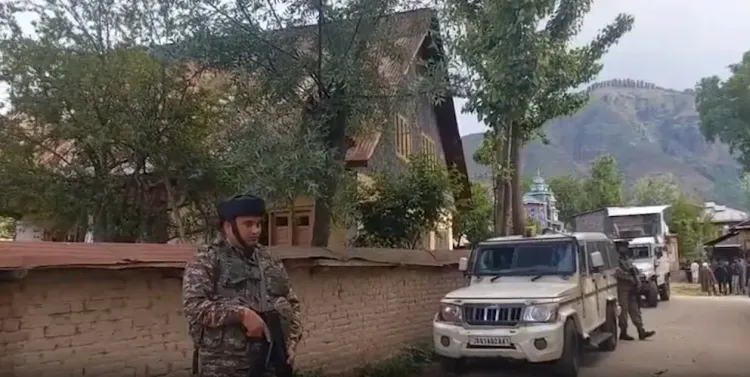
Jammu and Kashmir Police on Sunday, 9 August conducted simultaneous searches across 26 locations in Sopore as part of an ongoing investigation under the Unlawful Activities (Prevention) Act (UAPA) targeting the banned Jamaat-e-Islami Jammu and Kashmir (JeI J&K). The operation is aimed at gathering evidence and mapping the residual network of the proscribed organisation.
What the Searches Target
According to officials, the coordinated searches are designed to uncover evidence and trace active links of the JeI network still operating in the region. Sopore, a town in north Kashmir's Baramulla district, has historically been a stronghold of separatist activity, making it a focal point for such enforcement actions.
The scale of the operation — 26 simultaneous locations — signals a structured intelligence-led sweep rather than a reactive response, according to reports.
Why JeI Is Banned
The Union Ministry of Home Affairs (MHA) declared Jamaat-e-Islami J&K an unlawful association under the UAPA, citing its separatist ideology, alleged terrorist links, and activities deemed a threat to national sovereignty and security. The initial ban followed in the aftermath of the 2019 Pulwama attack, and the MHA extended the prohibition for a further five years in February 2024.
Founded in the 1950s as a distinct branch influenced by the Islamist teachings of Syed Abul A'la Maududi, JeI J&K ran an extensive network of schools and social welfare programmes while promoting a puritanical religious outlook. The organisation has historically maintained that Kashmir is a disputed territory and boycotted mainstream democratic elections for decades.
Key Figures and Splinter Groups
Among the organisation's founding figures was Maulana Saaduddin Tarabali, who established JeI J&K in 1953 and led it until 1985, participating in the electoral process until separatist violence erupted in the 1990s.
The most prominent and controversial leader associated with the group was Syed Ali Shah Geelani, who contested J&K Assembly elections eight times — winning three and losing five — before breaking away to found the Tehreek-e-Hurriyat, which represented a hardline pro-Pakistan position until his death in 2021.
In recent years, a segment of former JeI members moved toward democratic participation, fielding independent candidates in the 2024 J&K Assembly elections. A breakaway faction, the Justice and Development Front (JDF-J&K), was formed by former activists who declared their commitment to working within India's constitutional framework.
Broader Pattern of Enforcement
This is not an isolated action. Security agencies have conducted multiple rounds of searches and detentions linked to the JeI ban since 2019, reflecting a sustained effort to dismantle what authorities describe as the organisation's underground infrastructure in Kashmir. Critics of the ban, however, argue that some affiliated individuals and institutions — including schools — have faced collateral disruption without direct terror links being established.
With the UAPA ban now extended through 2029, enforcement operations such as Sunday's Sopore sweep are expected to continue as investigators work to map and neutralise the network's remaining footprint.
Point of View
Not merely a historical threat — a significant assessment given that the organisation has been banned for over six years. What the operation also reveals is the tension at the heart of the JeI story: a faction of its former members is now contesting elections and working within the Constitution, yet the parent body's infrastructure continues to attract UAPA enforcement. Investigators face the challenge of distinguishing residual ideology from active terror facilitation — a distinction that courts will ultimately scrutinise. The extension of the ban through 2029 gives agencies time, but it also raises accountability questions about whether each enforcement action is tied to fresh evidence or is largely preventive in nature.
NationPress
9 Aug 2026
Frequently Asked Questions
Why did J&K Police search 26 locations in Sopore?
J&K Police conducted the searches on 9 August as part of a UAPA investigation into the banned Jamaat-e-Islami J&K (JeI), aiming to gather evidence and trace the organisation's active network. The operation targeted 26 simultaneous locations in Sopore, a town in north Kashmir.
Why is Jamaat-e-Islami J&K banned?
The Union Ministry of Home Affairs banned Jamaat-e-Islami J&K under the UAPA for its alleged separatist ideology, terrorist links, and activities deemed threats to national sovereignty. The ban was first imposed following the 2019 Pulwama attack and was extended for five more years in February 2024.
Who was Syed Ali Shah Geelani and what was his connection to JeI?
Syed Ali Shah Geelani was the most prominent and controversial leader associated with Jamaat-e-Islami J&K. He contested J&K Assembly elections eight times before breaking away to form the hardline pro-Pakistan Tehreek-e-Hurriyat; he died in 2021.
Are there any factions of JeI that now work within India's constitutional framework?
Yes. The Justice and Development Front (JDF-J&K) was formed by former JeI activists who declared they would operate within India's constitutional framework. Some former JeI members also fielded independent candidates in the 2024 J&K Assembly elections.
How long is the current ban on Jamaat-e-Islami J&K in force?
The MHA extended the ban on Jamaat-e-Islami J&K for five years in February 2024, keeping the organisation proscribed under the UAPA through approximately 2029.