J&K Police raids 15 locations in Sopore in UAPA crackdown on Jamaat-e-Islami
Synopsis
J&K Police fanned out across more than 15 locations in Sopore on Saturday in one of the month's largest UAPA-linked operations against Jamaat-e-Islami. With the group's schools already seized and its armed offshoot Hizbul Mujahideen still active from PoK, the raids mark a push to dismantle not just the network's security threat but its entire institutional footprint in North Kashmir.
Key Takeaways
J&K Police searched more than 15 locations in Sopore sub-division on 16 May under the UAPA .
Raids covered Bomai , Warpora , Sopore , and Tarzoo in North Kashmir .
Jamaat-e-Islami was first banned in 2019 ; the ban was extended for five years from February 2024 .
By April 2026 , the J&K administration had taken over dozens of schools linked to the Falah-e-Aam Trust .
Hizbul Mujahideen was formed by Jamaat-e-Islami activists; its self-styled chief Syed Sallahuddin is reportedly based in PoK .
Some former Jamaat members contested the 2024 Assembly elections under new banners, indicating a split within the group.
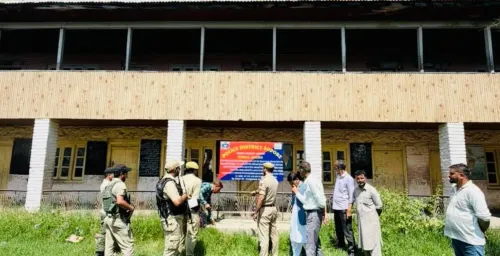
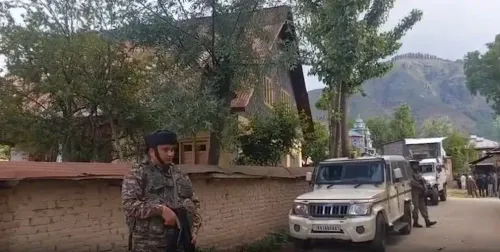
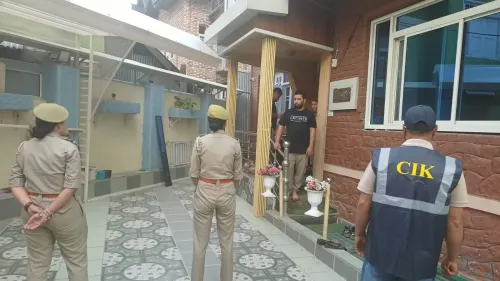
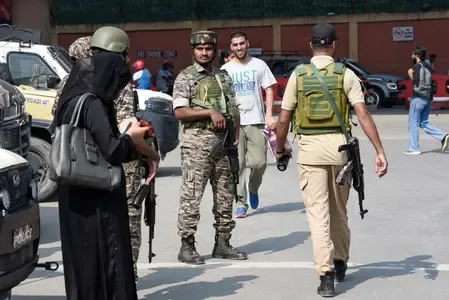
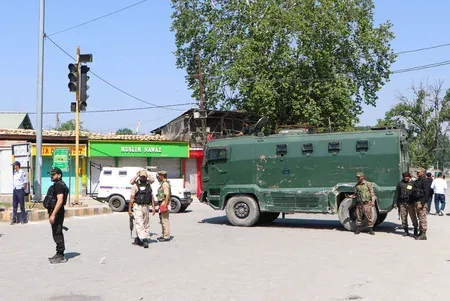
Jammu & Kashmir Police on Saturday, 16 May conducted searches at more than 15 locations across the Sopore sub-division in North Kashmir as part of an ongoing crackdown under the Unlawful Activities (Prevention) Act (UAPA) targeting networks linked to the banned Jamaat-e-Islami organisation. The searches spanned localities including Bomai, Warpora, Sopore, and Tarzoo.
Key Developments
Police confirmed that the search operations were directly connected to active UAPA cases against the Jamaat-e-Islami network. The operations are part of a series of raids conducted in North Kashmir this month, reflecting an intensified enforcement posture by security agencies in the region.
This is the latest in a sustained pattern of operations. Authorities have been conducting raids and seizing assets linked to the organisation across Jammu & Kashmir as the administration moves to dismantle its institutional presence.
The Ban on Jamaat-e-Islami
The Government of India first banned Jamaat-e-Islami in 2019, declaring it an 'unlawful association' under the UAPA. The ban was extended for a further five years beginning February 2024, with the Ministry of Home Affairs (MHA) citing the organisation's continued role in fomenting militancy, supporting anti-India propaganda, and threatening the unity and integrity of the country.
The MHA has maintained that Jamaat-e-Islami encourages terrorism and secessionism in J&K. Originally formed to promote Islamic revival in the region, the organisation was subsequently proscribed over its alleged support for violent activities and separatism.
Asset Seizures and School Takeovers
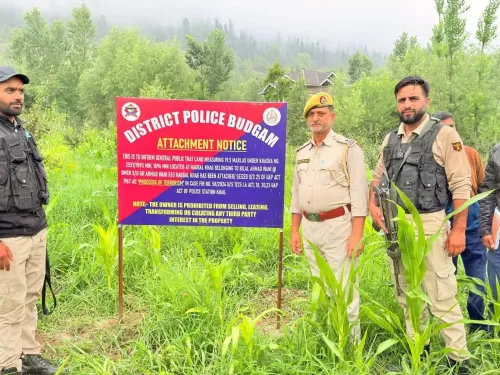
Beyond search operations, the J&K administration has moved to seize properties and educational institutions linked to the organisation. By April 2026, authorities had taken over dozens of schools associated with the Falah-e-Aam Trust, which is linked to the banned group. The asset-seizure drive signals a shift from purely security-focused operations to dismantling the organisation's socio-economic infrastructure.
Jamaat's Links to Hizbul Mujahideen
Security agencies have long documented the organisational overlap between Jamaat-e-Islami and the militant outfit Hizbul Mujahideen. According to officials, Hizbul Mujahideen was formed by youth and senior Jamaat activists as its armed wing. Most senior cadre of Hizbul Mujahideen were also senior members of Jamaat-e-Islami.
The self-styled supreme commander of Hizbul Mujahideen, Syed Yusuf Shah, also known as Syed Sallahuddin, is reportedly based in Pakistan-Occupied Kashmir (PoK). He was a senior Jamaat leader and the party's candidate in the 1987 Assembly elections in J&K.
Political Fault Lines Within the Organisation
Despite the ban, the organisation has not been entirely dormant in political terms. Some members formerly affiliated with Jamaat-e-Islami contested the 2024 Assembly elections under new political banners, signalling a split within the group. While a section is reportedly exploring mainstream democratic participation, others are said to maintain the organisation's original ideological stance, according to reports.
With raids continuing and asset seizures accelerating, authorities appear focused on ensuring the ban translates into operational neutralisation — not merely a formal legal status.
Point of View
Not just its militant connections. Yet the split visible in the 2024 elections — where former Jamaat members re-entered democratic politics — complicates the picture. Blanket suppression risks pushing a faction that is tentatively moving toward mainstream participation back into the shadows. The government has so far offered no public framework for distinguishing between members who pose an active security threat and those who have demonstrably distanced themselves from the banned outfit's activities.
NationPress
26 Sept 2026
Frequently Asked Questions
Why did J&K Police raid locations in Sopore on 16 May?
J&K Police conducted searches at more than 15 locations in the Sopore sub-division on 16 May as part of active UAPA cases linked to the banned Jamaat-e-Islami organisation. The operations targeted areas including Bomai, Warpora, Sopore, and Tarzoo in North Kashmir.
Why is Jamaat-e-Islami banned in India?
Jamaat-e-Islami was declared an unlawful association under the UAPA in 2019, with the ban extended for five more years from February 2024. The Ministry of Home Affairs has cited the organisation's alleged role in fomenting militancy, supporting anti-India propaganda, and encouraging secessionism in Jammu & Kashmir.
What is the connection between Jamaat-e-Islami and Hizbul Mujahideen?
Hizbul Mujahideen was formed by youth and senior activists of Jamaat-e-Islami as its armed wing, according to security agencies. Most senior cadre of Hizbul Mujahideen were also senior members of Jamaat-e-Islami, and its self-styled supreme commander Syed Sallahuddin was a senior Jamaat leader and party candidate in the 1987 J&K Assembly elections.
What properties have been seized from Jamaat-e-Islami?
By April 2026, the J&K administration had taken over dozens of schools associated with the Falah-e-Aam Trust, which is linked to Jamaat-e-Islami. Authorities have been actively seizing properties and educational institutions connected to the banned organisation across the region.
Did Jamaat-e-Islami members participate in the 2024 Assembly elections?
Some individuals formerly affiliated with Jamaat-e-Islami reportedly contested the 2024 Jammu & Kashmir Assembly elections under new political banners. This has created a visible split within the group, with a section exploring mainstream democratic participation while others are said to maintain the organisation's original stance, according to reports.