CM Hemant Soren Greets Jharkhand on Sohrai and Govardhan Puja
Synopsis
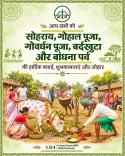
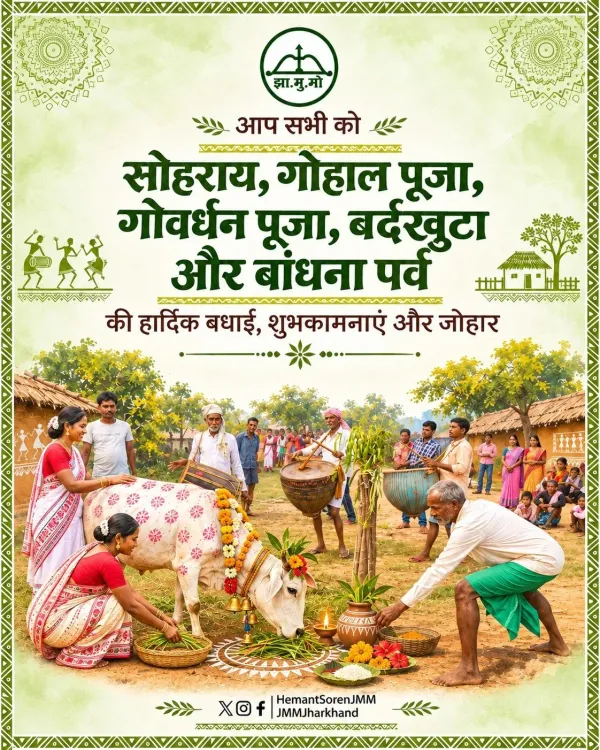
Jharkhand Chief Minister Hemant Soren extended greetings on Sagun Sohrai, Gohal Puja, Govardhan Puja, Bardkhuta and Bandhna Parv on 10 November 2026, invoking the Adivasi salutation 'johar' and wishing prosperity tied to nature and livestock worship.
Key Takeaways
Hemant Soren greeted Jharkhand on five festivals on 10 November 2026 : Sagun Sohrai, Gohal Puja, Govardhan Puja, Bardkhuta, and Bandhna Parv.
The post was written in Hindi and used johar , the traditional Adivasi greeting, alongside standard Hindi well-wishes.
Sohrai is a major post-harvest Adivasi festival in Jharkhand centred on cattle reverence and agricultural abundance.
The Jharkhand Mukti Morcha (JMM) , led by Soren, has consistently aligned its political identity with the promotion of tribal cultural practices.
Issuing greetings for pastoral and harvest festivals is a long-standing practice of Jharkhand's state leadership, reflecting the state's large tribal demographic.
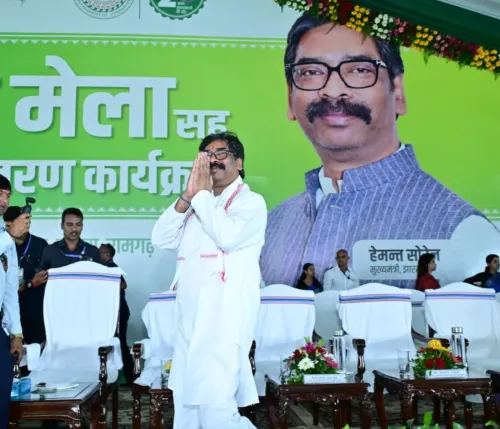
As the harvest season wraps Jharkhand's villages in the rhythm of cattle calls and marigold offerings, Chief Minister Hemant Soren on Tuesday, 10 November 2026 extended warm greetings to the people of the state on the occasion of a cluster of interlinked festivals — Sagun Sohrai, Gohal Puja, Govardhan Puja, Bardkhuta, and Bandhna Parv.
Writing in Hindi on X, Soren offered 'hardik badhai, shubhkamnaen aur johar' — heartfelt congratulations, good wishes, and the traditional Adivasi greeting of johar — to all. 'May these festivals, dedicated to nature, livestock and our rich folk culture, bring happiness, prosperity and well-being into everyone's lives,' he wrote.
Five festivals, one pastoral heartbeat
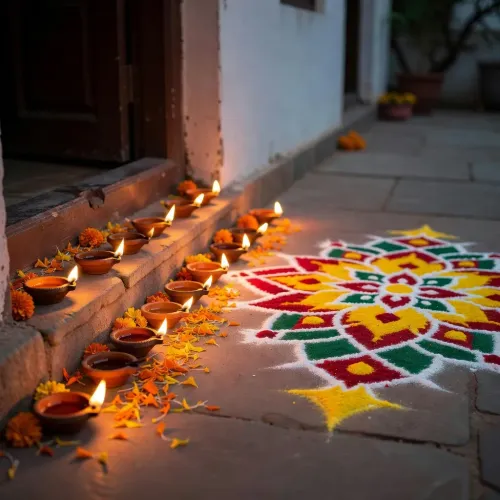
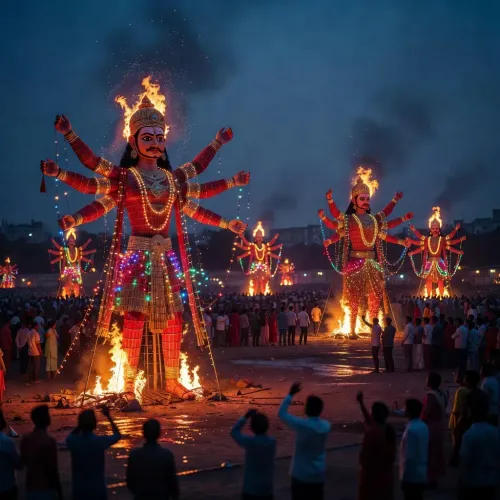
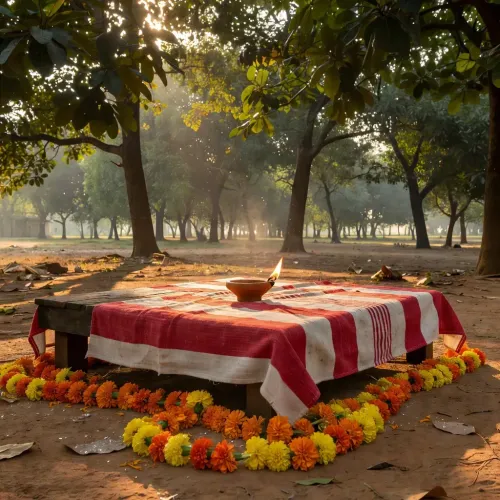
Sohrai is one of Jharkhand's most significant Adivasi festivals, celebrated after the kharif harvest and centred on the reverence of cattle as a symbol of agricultural abundance. Gohal Puja — the worship of the cowshed — and Bandhna Parv, which involves ritually tying and decorating livestock, are closely linked observances that honour the bond between farming communities and their animals. Govardhan Puja, shared with the broader Hindu calendar following Diwali, adds another layer of nature-worship to the season. Together, they form a dense cultural moment in rural Jharkhand.
Johar politics and Adivasi identity
Soren's choice of the word johar — the customary salutation of Jharkhand's tribal communities — is deliberate and consistent. The Jharkhand Mukti Morcha (JMM), the regional party of which Soren is executive president, has built its political identity around the defence of Adivasi rights, land, and culture since its founding. For Jharkhand governments, issuing festival greetings for harvest and pastoral observances is a long-standing practice of affirming indigenous traditions at the state level. With a large tribal population, the state's political calendar is inseparable from its ecological and agricultural one.
Point of View
The JMM reinforces its claim as the authentic guardian of Adivasi identity in a state where that positioning is fiercely contested. The gesture costs little but signals cultural alignment with a constituency that is both numerically significant and deeply attached to its traditions.
NationPress
10 Nov 2026
Frequently Asked Questions
What is Sohrai festival in Jharkhand?
Sohrai is one of Jharkhand's most important Adivasi festivals, celebrated after the kharif harvest. It centres on the worship and decoration of cattle, symbolising agricultural prosperity and the deep bond between tribal communities and their livestock.
What is Bandhna Parv?
Bandhna Parv is a pastoral festival in Jharkhand in which livestock are ritually tied, decorated, and honoured. It is closely linked to Sohrai and Gohal Puja as part of a cluster of post-harvest celebrations.
What does 'johar' mean?
'Johar' is the traditional salutation and expression of respect used by tribal communities in Jharkhand and neighbouring regions. It is widely used by JMM leaders to signal solidarity with Adivasi culture.
What is Hemant Soren's connection to Jharkhand Mukti Morcha?
Hemant Soren is the Chief Minister of Jharkhand and the executive president of the Jharkhand Mukti Morcha (JMM), a regional party founded on the principles of tribal rights and regional self-determination.