CM Hemant Soren Backs Adivasi Conference, Pledges Full Support
Synopsis
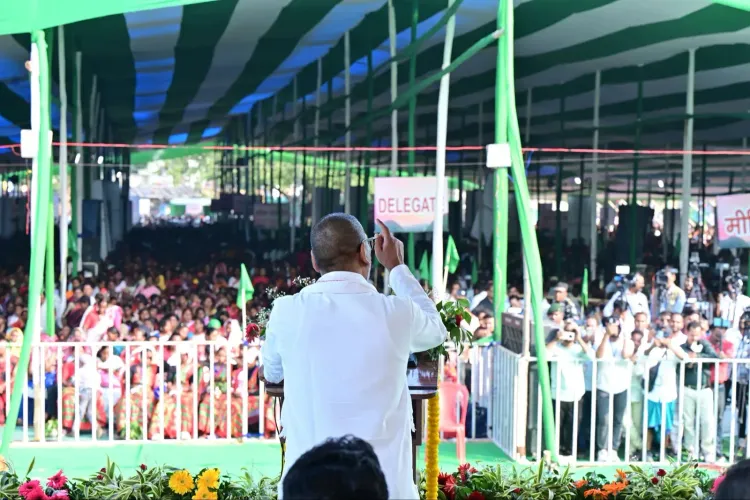
Chief Minister Hemant Soren, speaking through the official Jharkhand CMO account on November 5, 2026, expressed full government support for an Adivasi community conference, pledging every possible cooperation for tribal advancement while honouring their bond with nature.
Key Takeaways
CM Hemant Soren publicly endorsed an Adivasi community conference via the official CMO X account on November 5, 2026 .
He pledged 'full confidence of every possible cooperation' from the state government for tribal upliftment.
Soren framed tribal advancement as inseparable from the community's traditional relationship with nature.
Jharkhand has one of India's highest Scheduled Tribe population proportions and was formed in 2000 partly to address Adivasi aspirations.
The Jharkhand Mukti Morcha was founded specifically to champion tribal rights, making this endorsement consistent with the party's core identity.
Specific details of the referenced conference — name, date, organisers — have not been officially confirmed in public records.
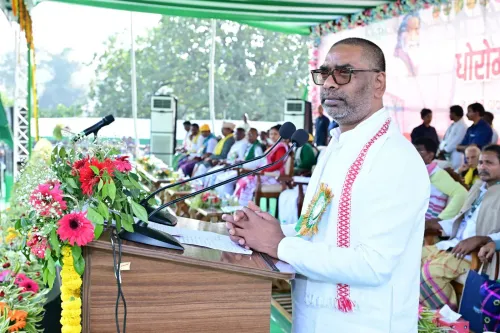
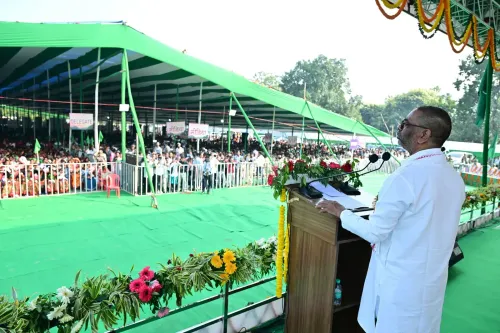
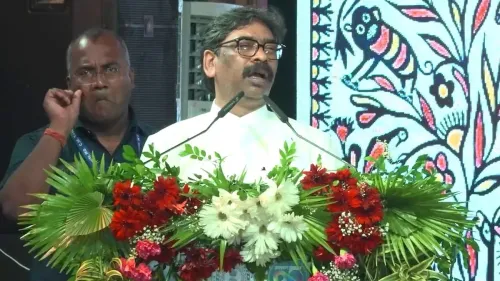
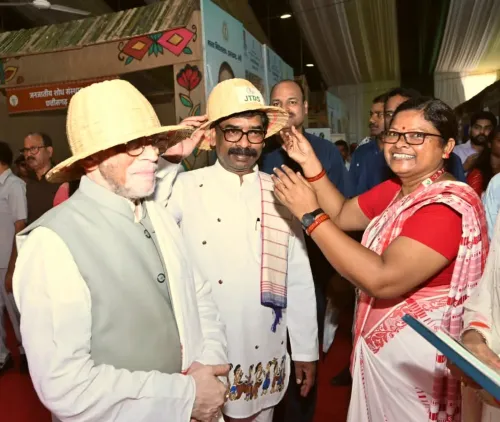
An Adivasi community gathering has earned a full-throated endorsement from the highest office in Jharkhand — and a public promise of government support. The Chief Minister's Office of Jharkhand posted on Thursday, November 5, 2026, quoting Chief Minister Hemant Soren expressing solidarity with a tribal welfare conference and committing state backing for Adivasi advancement.
Speaking through the official CMO account, Soren said: 'Prakriti ke saath rach-bas kar rehne wala Adivasi samaj kaise aage badhe, is par sabhi ka dhyan hai' — 'Everyone's attention is on how the Adivasi community, which lives deeply intertwined with nature, can move forward.' He went on to affirm that while respecting all other communities, tribal society is itself striving for its own upliftment — and that his government supports the conference and extends 'full confidence of every possible cooperation.'
A Statement Rooted in Jharkhand's Founding Purpose
Jharkhand was carved out as a separate state in 2000 precisely to give voice to Adivasi aspirations — a population that constitutes one of the highest proportions of Scheduled Tribe communities among all Indian states. The Jharkhand Mukti Morcha (JMM), the party Soren leads, was itself founded to champion tribal rights, resource control, and self-governance. For the CMO to publicly back a tribal conference is therefore not incidental — it is a restatement of the state's founding compact with its indigenous population. The policy architecture supporting these communities stretches back further still. The Forest Rights Act of 2006 granted legal recognition to traditional forest-dwelling communities, a provision deeply relevant to Jharkhand's Adivasi villages. The state also operates under constitutional safeguards of the Fifth Schedule, which restricts alienation of tribal lands and mandates consultation mechanisms — a framework successive Jharkhand governments have invoked when navigating the tension between industrial development and tribal livelihoods.Balancing Development With Cultural Dignity
Soren's remarks reflect an enduring policy tightrope in Jharkhand: a mineral-rich state whose subsoil wealth has historically been extracted at the cost of displacing the very communities living above it. His framing — that Adivasi society must advance while remaining true to its relationship with nature — signals a development philosophy that resists a simple growth-at-all-costs model. Community conferences of this kind have served as grassroots consultations on education gaps, healthcare access, and economic inclusion for tribal populations. The government's formal endorsement and pledge of 'every possible cooperation' is a signal that any resolutions or demands emerging from this gathering are likely to receive a sympathetic hearing in Ranchi. The specific name, date, and organisers of the referenced conference have not been officially confirmed in public records, and further details are awaited. Watch for follow-up announcements from the state government on targeted schemes or funding linked to the conference's outcomes — that is where the promise of support will either materialise or stall.Point of View
And visibility at community gatherings reinforces that compact. The framing of nature-linked identity alongside developmental aspiration is a deliberate rhetorical choice that distances the government from a purely extractive growth model, significant in a state where mining displacement remains a live grievance. Whether the pledge of 'every possible cooperation' translates into tangible scheme announcements will be the real test. In the absence of specifics, the statement reads as an alignment of political brand with community sentiment ahead of ongoing governance cycles.
NationPress
5 Nov 2026
Frequently Asked Questions
What did CM Hemant Soren say about the Adivasi conference?
CM Hemant Soren said his government supports the Adivasi community conference and extends full confidence of every possible cooperation for tribal advancement, while acknowledging that all attention is on how the community — which lives intertwined with nature — can progress.
Why is Jharkhand significant for Adivasi communities?
Jharkhand was created in 2000 specifically to address the aspirations of its large tribal population, which is one of the highest proportions of Scheduled Tribes of any Indian state, making tribal welfare a central political and policy concern.
What is the Jharkhand Mukti Morcha's connection to tribal rights?
The Jharkhand Mukti Morcha (JMM) was founded to represent tribal interests in the region, advocating for resource control, land rights, and self-governance — values that Chief Minister Hemant Soren, the party's leader, continues to champion.
What legal protections exist for Adivasi communities in Jharkhand?
Key protections include the Forest Rights Act of 2006 , which grants traditional forest dwellers legal recognition over their lands, and the constitutional Fifth Schedule , which restricts tribal land alienation and mandates consultative mechanisms in scheduled areas.
What should we watch for after this conference endorsement?
The key development to watch is whether the Jharkhand government follows up with specific scheme announcements, funding allocations, or policy changes linked to the conference's resolutions — that will determine whether the pledge of support becomes concrete action.