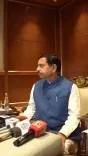
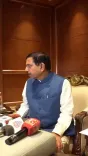
CM Dhami sanctions ₹42.78 cr for roads, Kumbh 2027 works
Synopsis
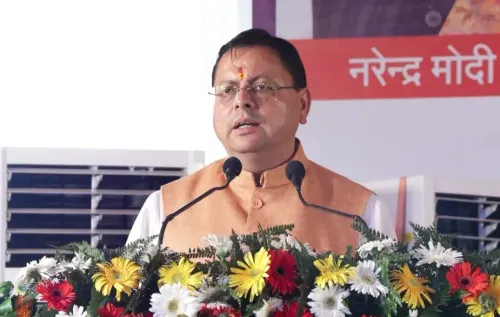
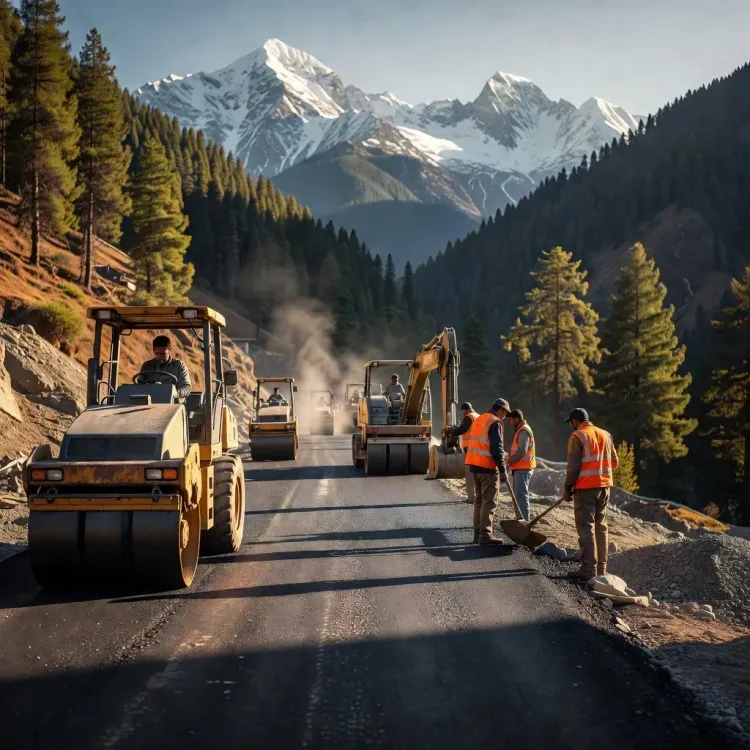
Chief Minister Pushkar Singh Dhami has sanctioned ₹42.78 crore for roads, irrigation, housing, temple beautification and six dedicated Kumbh Mela 2027 construction projects across Uttarakhand districts, aiming to accelerate connectivity and pilgrim infrastructure before the major 2027 event.
Key Takeaways
₹42.78 crore sanctioned by CM Pushkar Singh Dhami for multi-sector infrastructure across Uttarakhand districts.
Sanction covers roads, irrigation, housing, religious site beautification, and six dedicated Kumbh Mela 2027 construction works .
Approval announced on November 5, 2026 , with Kumbh 2027 less than 15 months away.
Financial clearance follows a pattern established ahead of the 2021 Kumbh Mela at Haridwar , when similar bundled sanctions accelerated pre-event works.
Specific project names, locations, and district-wise breakdowns are yet to be released publicly.
Tendering timelines and subsequent fund releases will determine whether projects are completed before peak pilgrim footfall begins.
Roads, irrigation channels, housing, temple beautification — and six dedicated construction works for Kumbh Mela 2027. Chief Minister Pushkar Singh Dhami has cleared a financial sanction of ₹42.78 crore spanning multiple districts of Uttarakhand, the Chief Minister's Office announced on Thursday, November 5, 2026.
What the ₹42.78 crore covers
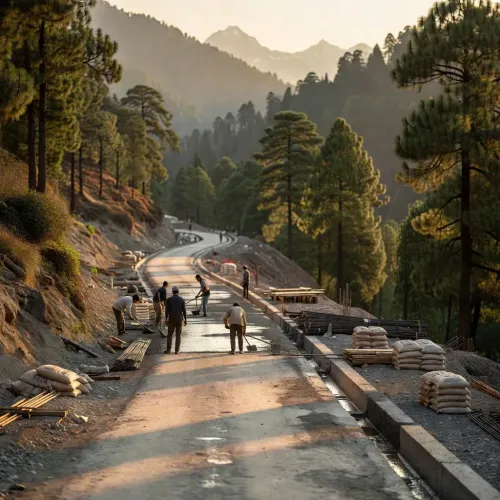
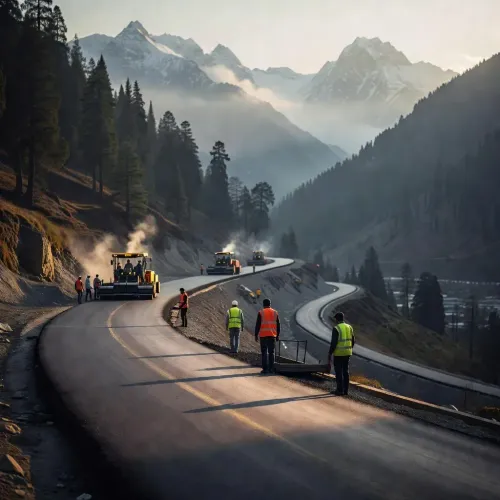
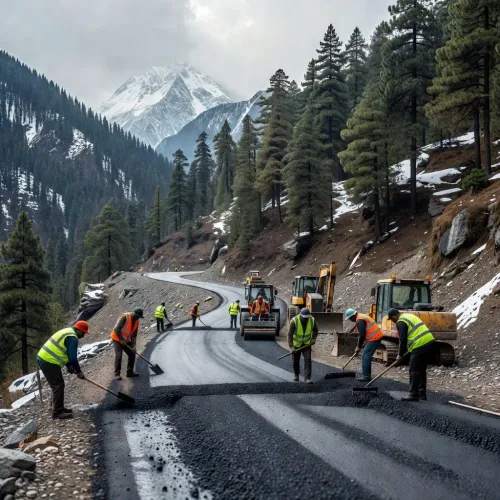
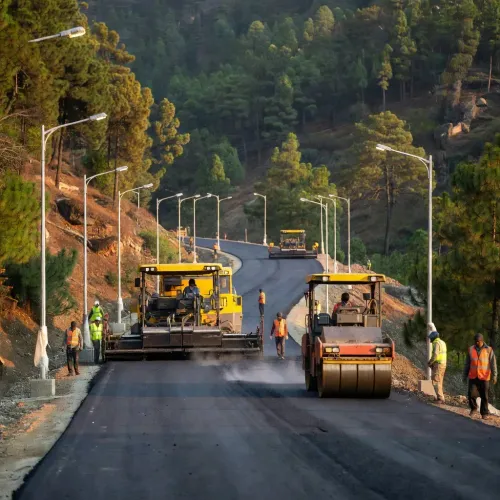
The sanction bundles together a wide basket of district-level works — roads to ease movement, irrigation facilities to support agriculture, residential infrastructure, and the beautification of religious sites — alongside six construction projects earmarked specifically under the Kumbh Mela 2027 umbrella. The Chief Minister's Office stated that the approvals will 'accelerate basic infrastructure development across various regions, improve connectivity, expand irrigation facilities, enhance residential amenities, and give momentum to the development of religious and tourism sites.'
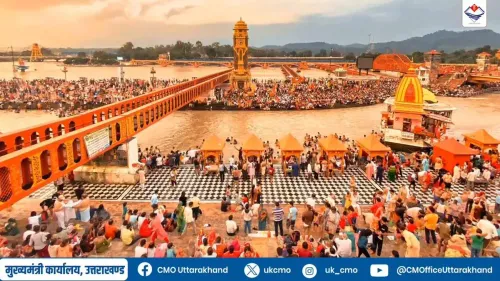
The combined approach — bundling routine district development with a marquee religious event — reflects a pattern the Uttarakhand government has followed for years, most visibly in the run-up to the 2021 Kumbh Mela at Haridwar, where phased infrastructure sanctions helped fast-track connectivity and civic works before millions of pilgrims arrived.
Kumbh 2027 and the infrastructure deadline
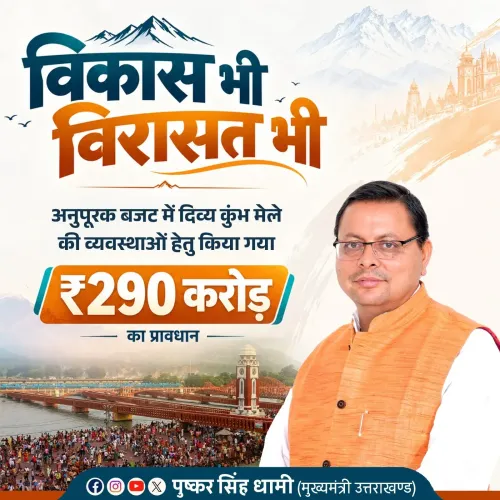
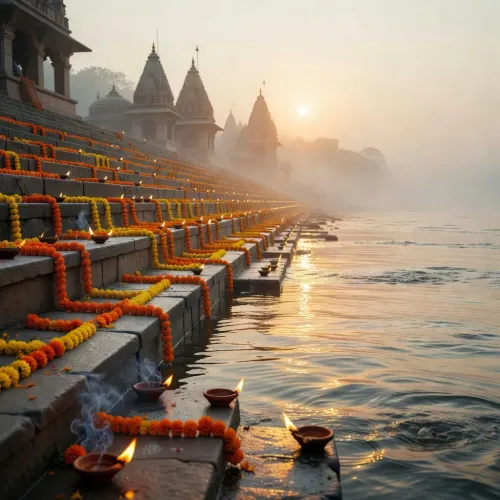
Kumbh Mela 2027 will draw pilgrims in the tens of millions to Uttarakhand, placing enormous pressure on roads, sanitation, transit, and accommodation. The state has less than 15 months before the event, making the pace of project approvals and tendering critical. Each sanction released now buys a contractor a window to mobilise, procure, and complete before pilgrim footfall begins to build.
CM Dhami, who took office in 2021 leading a BJP government, has consistently positioned large-scale religious tourism infrastructure as both a development and an economic priority for the Himalayan state. Uttarakhand's terrain makes connectivity expensive and time-consuming — which is precisely why advance financial clearances matter here more than in flat-terrain states.
What comes next: tenders, timelines, delivery
The financial sanction is the starting gun, not the finish line. Detailed project lists, tendering schedules, contractor selection, and subsequent fund-release tranches will determine whether the work is on-site before Kumbh 2027 preparations reach their peak. The specific names and locations of the six Kumbh-designated works have not yet been placed in the public domain — those details, once available, will reveal which ghats, roads, or facilities are in line for the most urgent upgrades.
For Uttarakhand's residents, the non-Kumbh portion of the sanction — roads, irrigation, housing — represents the kind of bread-and-butter infrastructure that determines quality of life in a mountain state where a washed-out road or a failed irrigation canal can isolate a village for weeks.
The clock on Kumbh 2027 is already ticking. How fast these sanctions turn into steel and concrete will be the real measure of intent.
Point of View
Front-loading financial clearances is the only realistic way to avoid an infrastructure scramble in the months before millions of pilgrims arrive. The unanswered question is whether tendering and execution can match the pace of approvals.
NationPress
5 Nov 2026
Frequently Asked Questions
How much has CM Dhami sanctioned for Uttarakhand infrastructure in November 2026?
Chief Minister Pushkar Singh Dhami has sanctioned ₹42.78 crore for infrastructure projects including roads, irrigation, housing, temple beautification, and six Kumbh Mela 2027 construction works across multiple Uttarakhand districts.
What are the six Kumbh Mela 2027 construction works sanctioned by Uttarakhand government?
Six construction works have been sanctioned under the Kumbh Mela 2027 umbrella, but specific project names and locations have not yet been released publicly by the state government.
Where will Kumbh Mela 2027 be held?
Kumbh Mela 2027 is scheduled in Uttarakhand, the state that hosts major Kumbh gatherings including the Haridwar Kumbh. Exact venue details and preparations are ongoing.
What sectors are covered under the ₹42.78 crore Uttarakhand infrastructure sanction?
The sanction covers roads and connectivity, irrigation expansion, residential housing, beautification of temples and religious tourism sites, and six dedicated works for Kumbh Mela 2027.
What is Pushkar Singh Dhami's focus as Uttarakhand Chief Minister?
Chief Minister Pushkar Singh Dhami, in office since 2021, leads a BJP government focused on state development, religious tourism infrastructure, and connectivity improvements in Uttarakhand's challenging Himalayan terrain.