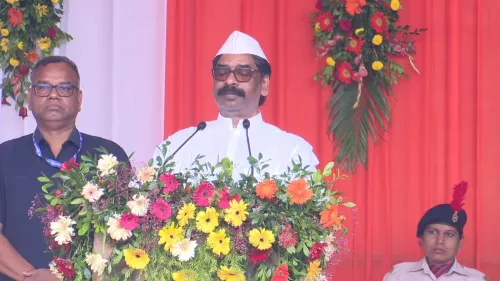
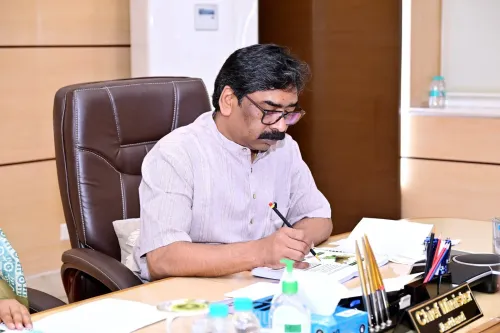
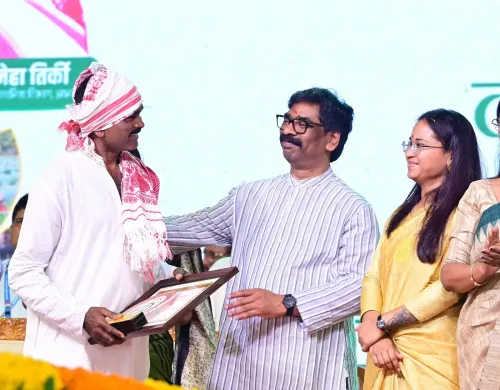
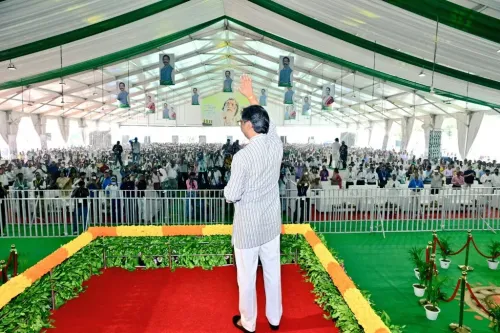
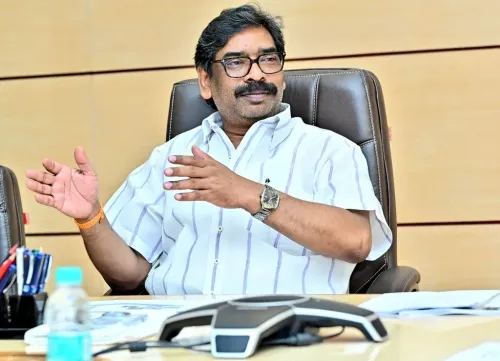
CM Hemant Soren Hails Jharkhand Mango Farmers' Global Reach
Synopsis
Jharkhand CM Hemant Soren on June 12, 2026 praised the Birsa Harit Gram Yojana and the state's farmers and rural women for taking Jharkhand mangoes to international markets, extending congratulations with the traditional 'Johar' greeting.
Key Takeaways
Jharkhand Chief Minister Hemant Soren posted on June 12, 2026 crediting the Birsa Harit Gram Yojana for the state's mango reaching both domestic and international markets.
The scheme is a flagship Jharkhand government horticulture initiative named after tribal icon Birsa Munda , targeting crop diversification and market access for tribal and rural farmers.
Soren specifically acknowledged the role of rural women — mothers and sisters — alongside male farmers in achieving this agricultural milestone.
The post was made during India's peak mango season, amplifying its political and economic significance for farming communities.
Export performance data for the 2026 mango season and any announced expansion of the scheme will be key indicators to watch.
The Chief Minister used the traditional Jharkhandi salutation 'Johar' , reinforcing the cultural identity embedded in the state's agricultural branding strategy.
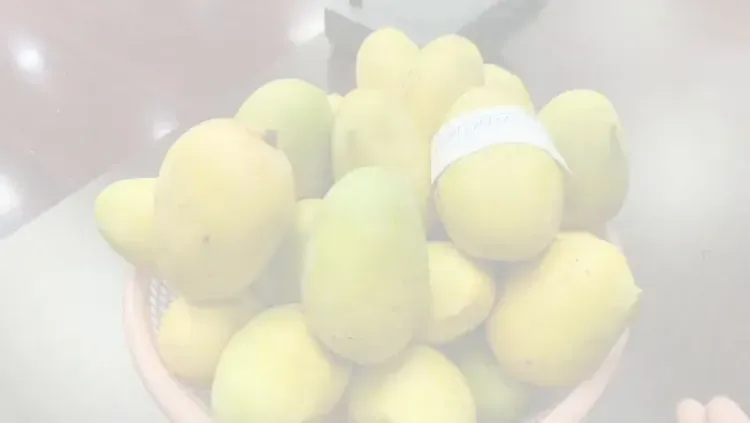
Jharkhand Chief Minister Hemant Soren on Friday, June 12, 2026, congratulated the state's farmers and rural women, crediting the Birsa Harit Gram Yojana for helping Jharkhand's mangoes gain recognition not only across India but also in international markets. The post, shared on his official X account, celebrated the collective effort of the state's mothers, sisters, and farming communities whose labour, he said, had made the fruit extraordinary.
In his post, Soren wrote — 'हमारे राज्य की माताओं-बहनों और किसान भाइयों की मेहनत और बिरसा हरित ग्राम योजना का है यह कमाल, क्योंकि देश के साथ-साथ विदेश में भी आम बना है खास' — meaning: 'This is the achievement of the hard work of our state's mothers, sisters, and farmer brothers, and of the Birsa Harit Gram Yojana, because the mango has become special not only in the country but also abroad.' He extended greetings using the traditional Jharkhandi salutation 'Johar' along with congratulations to all farmers and women.
Context
The post arrives during the peak of India's summer mango season, when produce from various states competes for domestic and export market share. Jharkhand, historically associated with mineral wealth and tribal agrarian communities, has in recent years positioned its horticulture sector — particularly fruits — as a vehicle for rural income growth. Chief Minister Soren's acknowledgment of women farmers alongside male cultivators reflects the state's deliberate focus on gender-inclusive agricultural development.
Policy Backdrop
The Birsa Harit Gram Yojana is a flagship horticulture and rural greening scheme of the Jharkhand government, named after the revered tribal icon Birsa Munda. The scheme supports farmers — with a particular emphasis on tribal communities — in crop diversification, village-level plantations, and value-chain development for horticultural produce. It forms part of a post-2019 wave of state initiatives that deploy the symbolic weight of tribal heritage to drive agricultural modernisation and market access.
The broader policy architecture links rural livelihoods, women's participation in farming, and the branding of tribal-region produce for national and overseas buyers. By attaching the scheme's name to Birsa Munda, the Jharkhand government has sought to build cultural resonance around an otherwise technical agricultural programme, encouraging wider community participation.
Stakeholders and Impact
The primary beneficiaries highlighted by Soren are Jharkhand's mango farmers and rural women engaged in horticulture. Their inclusion in a public congratulatory message from the Chief Minister signals official recognition of their contribution to what the state is presenting as an export-linked success story. For tribal and marginal farming households, access to markets beyond state borders — and potentially beyond India — can translate into meaningfully higher incomes during the harvest cycle.
The post's reference to overseas demand, if borne out by horticulture export data, would mark a notable step for a state whose agricultural identity has traditionally centred on subsistence and domestic supply chains. Rural women, who often manage orchard labour and post-harvest processing, stand to gain visibility and economic leverage from such market expansion.
What's Next
Attention will now turn to official horticulture export figures from Jharkhand for the 2026 mango season, which would either substantiate or contextualise the Chief Minister's claims of international market penetration. Any mid-term evaluation or announced expansion of the Birsa Harit Gram Yojana — including enhanced procurement support, cold-chain investment, or new export tie-ups — will be closely watched by farming communities and policy observers. The post also sets a political benchmark: the scheme's performance will increasingly be measured against the promise of making Jharkhand's mangoes a globally recognised product.
Point of View
Tribal farmers, and a scheme named after Birsa Munda in a single breath. The move fits a well-established JMM playbook of embedding welfare governance within the cultural vocabulary of Jharkhand's tribal majority. If export figures for the 2026 mango season back up the claim, it hands the government a tangible, communicable success story ahead of any future electoral cycle. The broader significance lies in whether Jharkhand can sustain and scale this model of branding tribal-region produce for global markets, a challenge that will test cold-chain infrastructure and institutional support as much as political will.
NationPress
26 Oct 2026
Frequently Asked Questions
What is the Birsa Harit Gram Yojana?
The Birsa Harit Gram Yojana is a Jharkhand government scheme focused on horticulture development, rural greening, and crop diversification, particularly for tribal farming communities. It is named after the tribal icon Birsa Munda and aims to boost farmer incomes through plantation support and market linkages.
Why is Hemant Soren congratulating mango farmers?
Hemant Soren congratulated Jharkhand's mango farmers and rural women on June 12, 2026, citing the success of the Birsa Harit Gram Yojana in helping the state's mangoes gain recognition in both Indian and international markets.
Are Jharkhand mangoes being exported abroad?
Chief Minister Hemant Soren's post claims that Jharkhand mangoes have gained a special status in overseas markets, attributing this to the Birsa Harit Gram Yojana and the efforts of local farmers and women. Official export figures for the 2026 season are awaited to confirm the scale of this international reach.
What does 'Johar' mean in Hemant Soren's post?
'Johar' is a traditional greeting and salutation used among tribal communities in Jharkhand. Soren frequently uses it in public communication as an expression of cultural solidarity and respect.
How does Birsa Harit Gram Yojana help farmers in Jharkhand?
The scheme supports tribal and rural farmers in Jharkhand through horticultural plantation drives, crop diversification away from subsistence farming, and efforts to improve market access — including for fruits like mangoes — at both the national and export level.