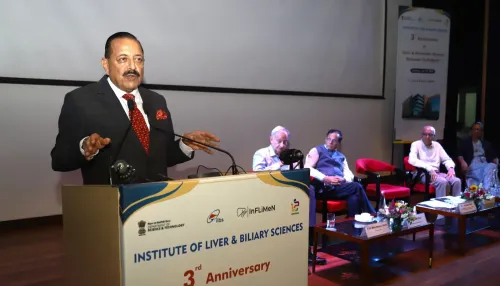
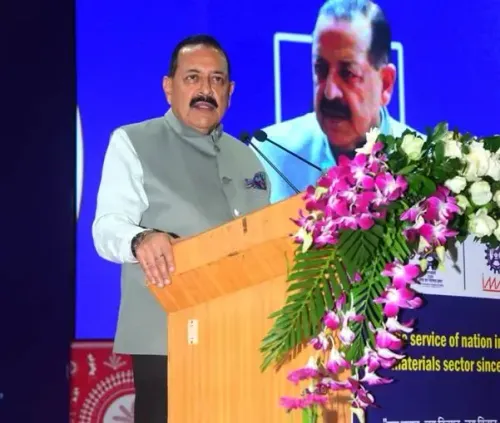
Dr. Jitendra Singh addresses PCOS summit in Mumbai
Synopsis
Union Minister Dr. Jitendra Singh addressed a Mumbai Medical Summit on August 9, 2026, backing the proposed renaming of PCOS to PMOS — Polyendocrine Metabolic Ovarian Syndrome — a shift that could reshape how India diagnoses, funds, and treats a condition affecting millions of women.
Key Takeaways
Jitendra Singh , Union Minister of State (Independent Charge) for Science and Technology, addressed a Medical Summit in Mumbai on August 9, 2026 .
The summit focused on PCOS and its proposed renaming to PMOS (Polyendocrine Metabolic Ovarian Syndrome) .
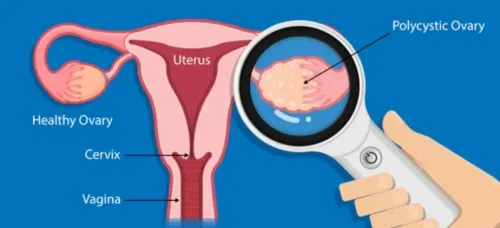
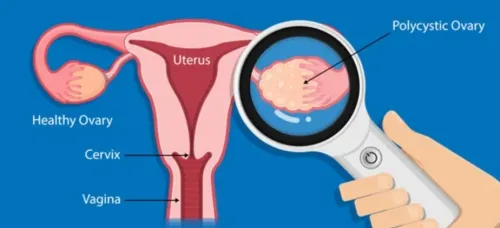
The new name aims to better reflect the condition's multi-system endocrine and metabolic nature, moving beyond the over-emphasis on ovarian cysts.
PCOS is estimated to affect roughly 1 in 5 women of reproductive age in India.
The Science and Technology Ministry oversees DBT and DST , both of which fund women's health and endocrinology research in India.
A formal adoption of 'PMOS' by Indian medical bodies could affect health record coding, medical education, and patient communication.
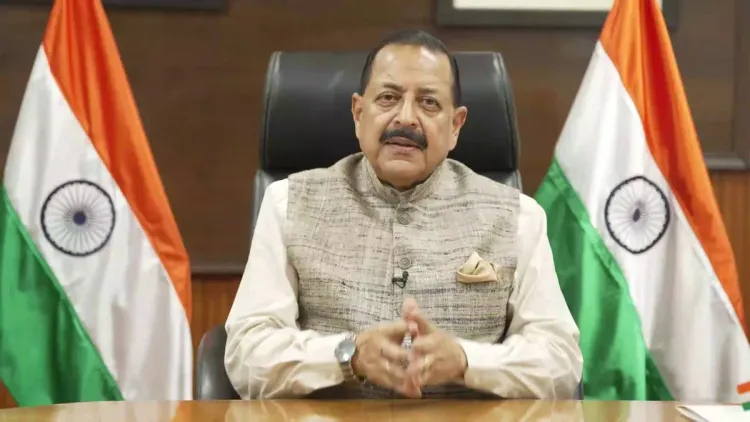
A women's health condition affecting millions across India just got a new name — and a minister's spotlight. Union Science and Technology Minister Dr. Jitendra Singh on Sunday, August 9, 2026, delivered a message to a Medical Summit in Mumbai focused on PCOS — now being proposed for renaming as PMOS (Polyendocrine Metabolic Ovarian Syndrome).
Why 'PCOS' may no longer be the right name
The proposed shift from Polycystic Ovary Syndrome (PCOS) to Polyendocrine Metabolic Ovarian Syndrome (PMOS) is not cosmetic. Medical researchers have long argued that the existing name over-emphasises ovarian cysts — which are neither universal among patients nor the defining feature of the condition. The new terminology attempts to capture what the disorder actually is: a complex, multi-system endocrine and metabolic disruption that affects hormones, insulin sensitivity, and reproductive health simultaneously.
For the millions of Indian women living with the condition — estimates suggest it affects roughly 1 in 5 women of reproductive age in India — a more precise name could translate into faster diagnosis, better clinical pathways, and reduced stigma.
Science ministry's stake in women's health research
Dr. Singh's participation bridges the gap between India's research institutions and clinical medicine — a space the Ministry of Science and Technology increasingly occupies. Ministerial engagement at specialised medical summits signals policy attention and can catalyse research funding conversations, even when no formal announcement is made.
The Science and Technology ministry oversees bodies such as the Department of Biotechnology (DBT) and the Department of Science and Technology (DST), both of which fund women's health and endocrinology research across Indian universities and hospitals. A minister's message at a nomenclature-focused summit puts institutional weight behind what is otherwise a clinical debate.
Mumbai summit puts PMOS terminology on the national map
Medical terminology changes move slowly — they require consensus among clinicians, researchers, and international bodies. The Mumbai summit appears to be part of building that domestic consensus. If Indian medical bodies formally adopt 'PMOS', it could influence how the condition is coded in health records, taught in medical colleges, and communicated to patients — a quiet but consequential shift in public health infrastructure.
Whether the summit produces a formal resolution or research funding commitment will determine how far this renaming push travels beyond the conference hall.
Point of View
But it signals that the Science and Technology Ministry is willing to lend institutional weight to clinical reforms in women's health — an area historically underfunded in India's research ecosystem. The proposed shift to PMOS aligns with a global push for precision medicine, where diagnostic labels must accurately reflect disease biology. If the Mumbai summit's consensus reaches India's medical councils and university curricula, this could be one of those quiet policy moments that reshapes clinical practice over a decade. Watch for whether DBT or DST follow up with dedicated research calls on PMOS.
NationPress
9 Aug 2026
Frequently Asked Questions
What is PMOS and how is it different from PCOS?
PMOS stands for Polyendocrine Metabolic Ovarian Syndrome. It is a proposed renaming of PCOS (Polycystic Ovary Syndrome) that better reflects the condition's true nature — a complex endocrine and metabolic disorder — rather than focusing solely on ovarian cysts, which are not present in all patients.
Why is PCOS being renamed to PMOS in India?
Medical researchers argue that the name 'PCOS' is misleading because it over-emphasises ovarian cysts. The new term 'PMOS' captures the multi-system hormonal and metabolic disruption that defines the condition, which could improve diagnosis and treatment pathways.
What did Dr. Jitendra Singh say at the Mumbai Medical Summit?
Dr. Jitendra Singh delivered a message to the Medical Summit in Mumbai on August 9, 2026, in support of the PCOS-to-PMOS renaming initiative. The full content of his address was shared via a video on his official X account.
How many women in India are affected by PCOS?
Estimates suggest that roughly 1 in 5 women of reproductive age in India are affected by PCOS, making it one of the most common endocrine disorders among Indian women.
What role does the Science and Technology Ministry play in women's health research?
The Ministry of Science and Technology, through bodies like the Department of Biotechnology (DBT) and the Department of Science and Technology (DST), funds women's health and endocrinology research across Indian universities and hospitals.