Giriraj Singh Thanks PM Modi for Reviving Handloom Heritage
Synopsis
Union Textiles Minister Giriraj Singh thanked PM Modi on August 9, 2026, crediting his leadership for reviving India's handloom heritage and pledging to connect weavers' craft and tradition to modern markets for greater economic empowerment.
Key Takeaways
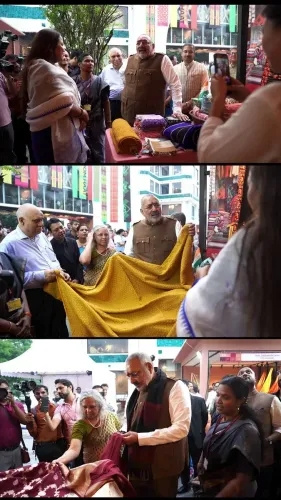
Union Textiles Minister Giriraj Singh posted on August 9, 2026 , thanking PM Narendra Modi for his role in reviving India's handloom heritage.
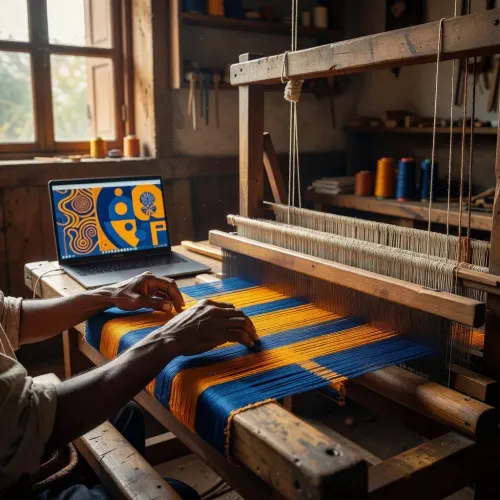
Singh described the mission as connecting weavers' 'art, skill, and tradition' to modern markets to make them more empowered.
India's handloom sector employs millions of rural artisans across states including West Bengal, UP, Assam, Andhra Pradesh , and Tamil Nadu .
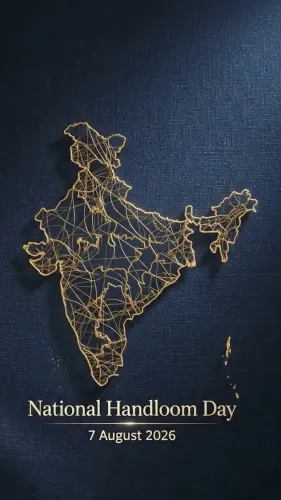
The post came two days after National Handloom Day (August 7) , which commemorates the 1905 Swadeshi Movement .
The government's approach combines branding, e-commerce access, and cultural promotion to make handloom commercially viable.
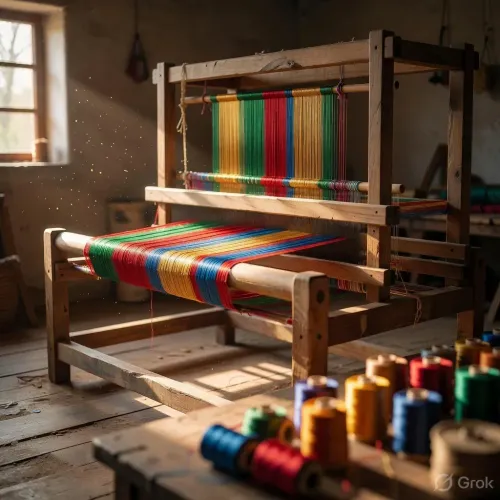
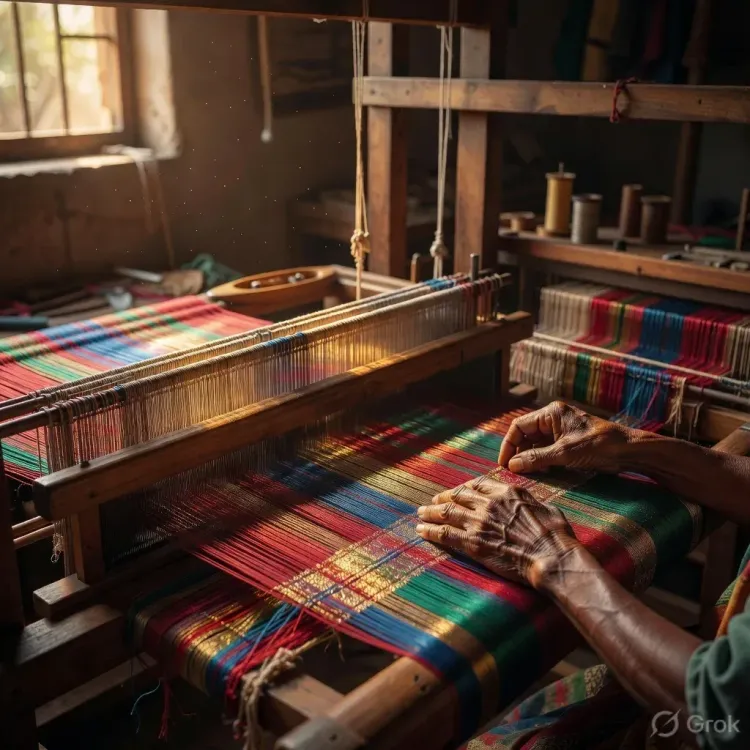
India's handloom weavers — millions of artisans keeping centuries-old traditions alive on wooden looms — are gaining new ground, and Union Textiles Minister Giriraj Singh wants the country to know who is steering that change.
Posting on Sunday, August 9, 2026, Minister Singh expressed gratitude to Prime Minister Narendra Modi, crediting his leadership with giving India's ancient handloom heritage 'a new identity and new possibilities' — 'नई पहचान और नई संभावनाएं'. The minister also outlined his ministry's core mission: connecting the craft, skill, and tradition of the country's weavers to modern markets to make them more empowered.
Weavers, Looms, and the Push into Modern Markets
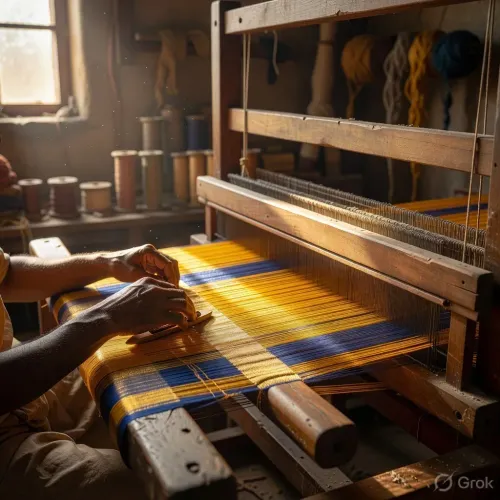
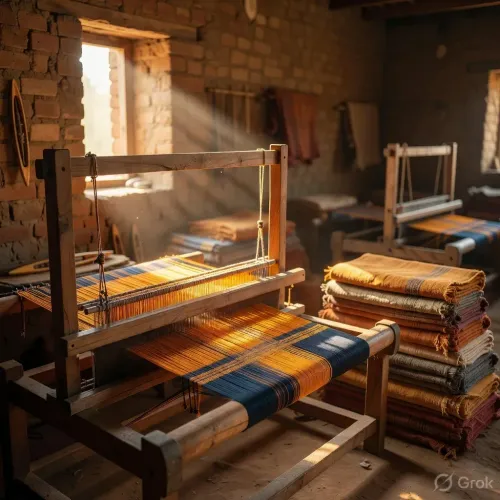
India's handloom sector is one of the largest cottage industries in the world, employing millions — predominantly in rural households — across states such as West Bengal, Uttar Pradesh, Andhra Pradesh, Telangana, Assam, and Tamil Nadu. For decades, the sector struggled against the tide of power-loom competition and cheap synthetic textiles. The current government's approach has centred on branding indigenous weaves, expanding e-commerce access for artisans, and promoting handloom products through government-backed platforms and campaigns. Singh's statement fits squarely within that policy arc. His emphasis on linking 'art, skill, and tradition' to contemporary markets reflects the ministry's broader strategy: not to preserve handloom as a museum piece, but to make it commercially viable and economically rewarding for the weaver.National Handloom Day and the Politics of Textile Pride
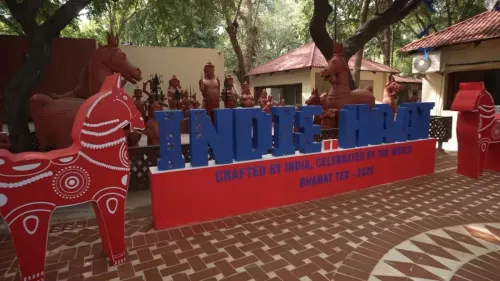
August 7 is observed as National Handloom Day in India — a date chosen to commemorate the Swadeshi Movement of 1905. The minister's post, arriving just two days after that annual observance, carries the unmistakable tone of a sector check-in: a public reaffirmation that the ministry's attention to handloom is not seasonal but sustained. For PM Modi, handloom has also served as a soft-power and cultural identity tool — from promoting khadi internationally to spotlighting regional weaves at diplomatic engagements. Singh's gratitude note reinforces that the textile ministry sees itself as an executor of that larger vision. The real test, as always, is on the ground — in whether weavers in Varanasi's Banarasi silk clusters or Assam's muga silk villages see their incomes rise. That is the promise Singh is publicly doubling down on.Point of View
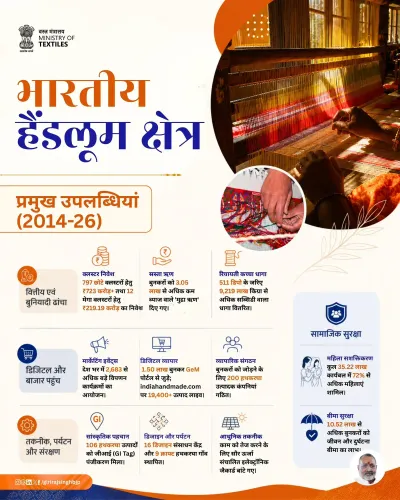
Reinforcing the government's narrative of cultural continuity married to economic modernisation. The handloom sector has long been a politically resonant constituency for the BJP, bridging rural livelihoods with civilisational pride. What the statement leaves open is the specifics: which programs are delivering, at what scale, and for which weaver communities. Until those details surface, this reads as a directional commitment rather than a policy milestone.
NationPress
23 Sept 2026
Frequently Asked Questions
What did Giriraj Singh say about handloom weavers?
Giriraj Singh thanked PM Modi for giving India's handloom heritage a new identity and pledged to connect weavers' craft and tradition to modern markets to empower them economically.
What is National Handloom Day in India?
National Handloom Day is observed on August 7 every year to commemorate the Swadeshi Movement launched in 1905 . It celebrates India's handloom sector and the artisans who sustain it.
What is the Indian government doing for handloom weavers?
The government has pursued policies including branding indigenous weaves, expanding e-commerce access for artisans, and promoting handloom products through government-backed platforms and cultural diplomacy.
Which states have major handloom industries in India?
Major handloom-producing states include West Bengal, Uttar Pradesh, Andhra Pradesh, Telangana, Assam , and Tamil Nadu , each known for distinct regional weaves.
Why is PM Modi associated with handloom promotion?
PM Modi has actively promoted handloom and khadi as symbols of Indian cultural identity and self-reliance, including spotlighting regional weaves at international diplomatic engagements.