Giriraj Singh promotes 'India Weaves' handloom expo
Synopsis
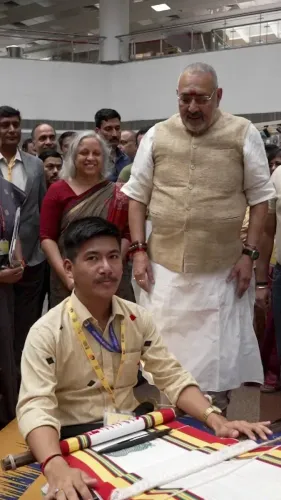
Union Textiles Minister Giriraj Singh promoted the 'India Weaves' exclusive handloom expo on 3 November 2026, calling it a platform that unites weavers from across Indian states to celebrate traditional textile arts and give cultural heritage a fresh, commercially viable identity.
Key Takeaways
Giriraj Singh , Union Minister of Textiles, promoted the 'India Weaves' exclusive handloom expo on 3 November 2026 .
The expo is positioned as a single platform bringing together weavers and traditional garments from multiple Indian states.
The Minister described the event as a way to give India's cultural heritage a 'new identity' while encouraging handloom artistry.
The Ministry of Textiles has historically used handloom expos to provide market access to rural weavers and sustain regional craft traditions.
Specific details — dates, venue, and scale of 'India Weaves' — have not been officially confirmed beyond the ministerial post.
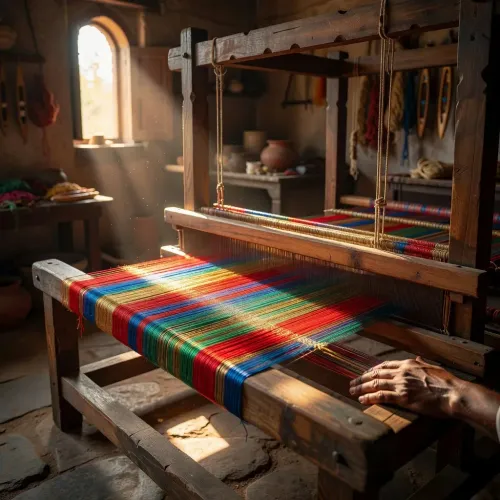
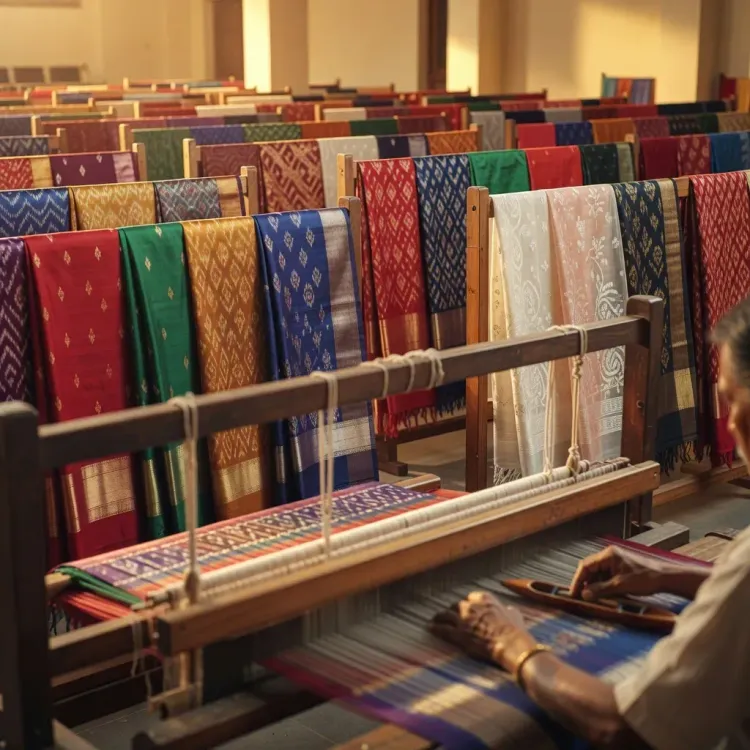
India's centuries-old handloom tradition is getting a dedicated stage. Union Textiles Minister Giriraj Singh on Tuesday, 3 November 2026 spotlighted the 'India Weaves' exclusive handloom expo as a rare opportunity for citizens to discover the country's rich weaving heritage, diverse textile styles, and the extraordinary artistry of its weavers — all under one roof.
Posting in Hindi on X, the Minister described the expo as a platform that brings together weavers from across India's many states, celebrating both their skill and the traditional garments they produce. 'हमारी सांस्कृतिक विरासत को नई पहचान देने के साथ हथकरघा कला को प्रोत्साहित करेगा' — 'it will give our cultural heritage a new identity while encouraging the art of handloom' — he wrote, framing the event as both a cultural showcase and a livelihood booster.
Why multi-state weavers on one platform matters
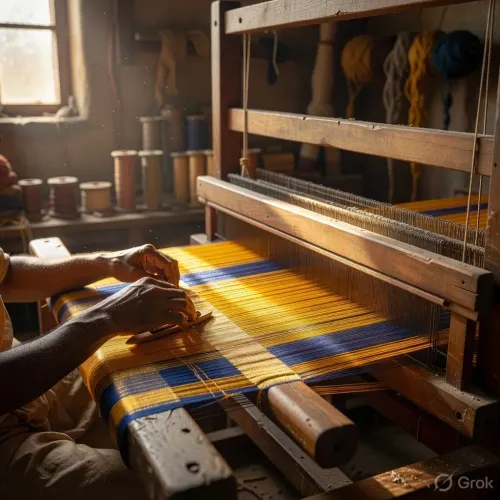
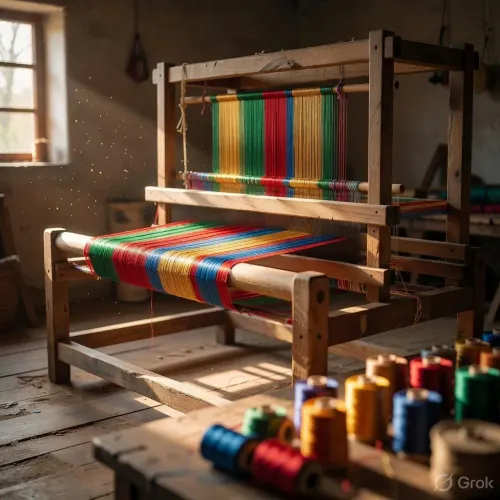
India's handloom sector is one of the largest in the world, sustaining millions of rural households whose craft is inseparable from regional identity — from the Banarasi silk of Uttar Pradesh and Chanderi weaves of Madhya Pradesh to the Jamdani tradition of Bengal and the Pochampally ikats of Telangana. Yet individual weavers rarely get direct market exposure beyond their local cluster. Events like 'India Weaves' are designed precisely to bridge that gap — giving artisans visibility, buyers access, and the tradition itself a fresh commercial lease of life.
The Ministry of Textiles has used handloom expos and promotional events as a consistent policy tool to keep regional weaving traditions viable. The logic is straightforward: cultural pride alone does not pay a weaver's bills. Market access does. By aggregating diverse craft communities onto a single platform, such expos create cross-regional discovery for buyers, designers, and everyday shoppers alike.
Handloom promotion as ministerial outreach
For Giriraj Singh, flagging 'India Weaves' fits a pattern of active ministerial communication on craft heritage. The Textiles Ministry oversees a sector that blends economic policy — employment, exports, rural income — with cultural stewardship. Handloom expos serve both goals simultaneously, making them a preferred vehicle for ministerial messaging that crosses party lines in its appeal.
Whether the expo yields concrete announcements — on weavers' participation numbers, sales volumes, or linked government support schemes — will determine how much policy weight sits behind today's endorsement. For now, the Minister has put the spotlight squarely on India's living textile legacy. The loom, it turns out, is never just a loom.
Point of View
Export promotion, and heritage preservation — all mandates of the Textiles Ministry under Giriraj Singh. By amplifying 'India Weaves' on social media, the Minister signals continued governmental intent to keep the handloom ecosystem institutionally visible. The real test, however, lies in whether such events translate into sustained income gains for weavers or remain largely symbolic showcases.
NationPress
3 Nov 2026
Frequently Asked Questions
What is the 'India Weaves' handloom expo?
'India Weaves' is an exclusive handloom expo promoted by Union Textiles Minister Giriraj Singh as a platform that brings weavers and traditional textiles from across India's states together to celebrate the country's weaving heritage and give artisans market exposure.
Why did Giriraj Singh promote the India Weaves expo?
As Union Minister of Textiles, Giriraj Singh promoted the expo to highlight India's handloom tradition, support weavers' livelihoods, and give cultural textile heritage a fresh identity and commercial platform.
Which states' weavers participate in India Weaves?
The expo is described as bringing together weavers from various Indian states, though a verified list of specific participating states or regions has not been officially confirmed.
How does the Indian government support handloom weavers?
The Ministry of Textiles supports handloom weavers through promotional expos, marketing events, and schemes that provide market access, help preserve regional weaving traditions, and sustain rural livelihoods tied to the craft sector.
Where and when is the India Weaves handloom expo being held?
The specific venue and dates of the 'India Weaves' expo have not been officially confirmed in publicly available information beyond the Minister's post on 3 November 2026.