Giriraj Singh backs Indi Haat as platform for weavers and artisans
Synopsis
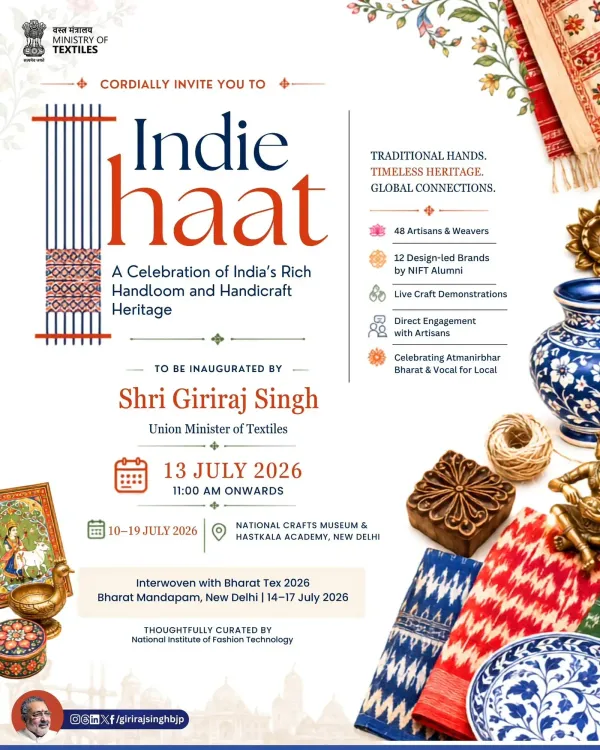
Union Textiles Minister Giriraj Singh has highlighted Indi Haat as a platform celebrating India's handloom and handicraft traditions while connecting lakhs of weavers and artisans to wider markets and new economic opportunities.
Key Takeaways
Giriraj Singh , Union Textiles Minister, endorsed Indi Haat on 9 July 2026 as a marketplace and cultural platform for weavers and artisans.
He described India's handloom and handicraft sector as the livelihood foundation for lakhs of weavers and artisans across the country.
The Office of the Development Commissioner for Handlooms has supported the sector since 1975 ; the National Handloom Development Programme has provided market and skill support since 2015 .
Policy priorities including 'Make in India' and 'Vocal for Local' have aligned traditional crafts with broader economic and diplomatic goals.
GI tagging and cluster development remain key tools to protect craft authenticity and expand domestic and export markets.
Future budget allocations and digital marketplace developments under the Ministry of Textiles will signal how seriously the government scales the Indi Haat initiative.
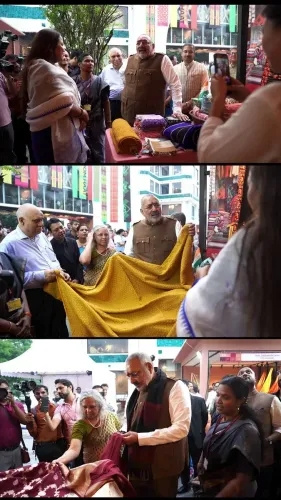
Union Textiles Minister Giriraj Singh on Thursday, 9 July 2026 championed Indi Haat as a vital platform for India's handloom weavers and handicraft artisans, calling it a celebration of the country's rich craft traditions. Posting on X, the minister underlined that the sector forms the livelihood backbone for millions of craftspeople across the country.
Context
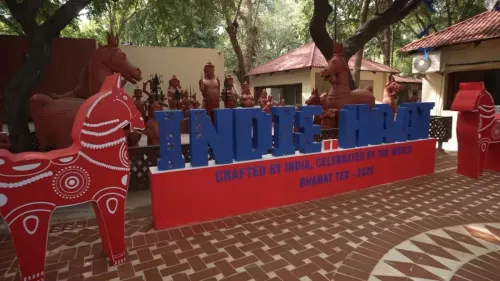
In his post, Giriraj Singh wrote that India's handloom and handicraft traditions are not merely a cultural identity but also 'lakhon bunakaaron aur shilpkaaron ki aajivika ka aadhar' — 'the livelihood foundation for lakhs of weavers and artisans.' He described Indi Haat as a festival of this very tradition, a platform that connects craftspeople to wider audiences and new opportunities while giving India's craft heritage a renewed identity.
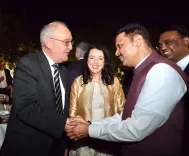
The minister's remarks position Indi Haat as more than a marketplace — framing it as a cultural and economic bridge between artisans and consumers. The post was accompanied by an image and carried hashtags including #Handloom, #Handicraft, #RisingIndia, and #SupportArtisans.
Policy Backdrop
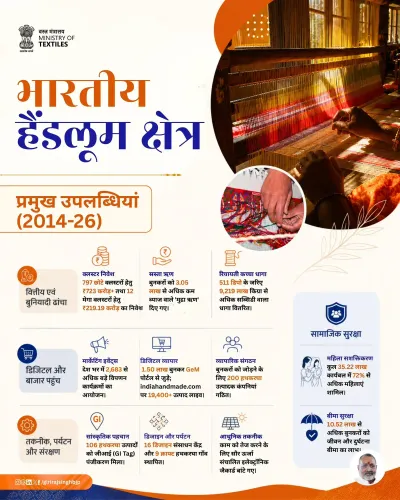
The Ministry of Textiles has long anchored its handloom and handicraft agenda in institutional support structures. The Office of the Development Commissioner for Handlooms, established in 1975, continues to formulate and implement programmes for the sector. The National Handloom Development Programme, launched in 2015, extended financial assistance, skill upgradation, and market linkages to weavers across the country.
Successive governments have also pushed Geographical Indication (GI) tagging of craft products and cluster development as tools to protect authenticity and expand markets. These efforts align with broader policy priorities such as 'Make in India' and 'Vocal for Local', which integrate traditional crafts into both domestic economic planning and cultural diplomacy abroad.
Stakeholders and Impact
India's handloom and handicraft sectors together sustain the livelihoods of lakhs of weavers and artisans, many of them based in rural and semi-urban clusters across states such as Uttar Pradesh, West Bengal, Rajasthan, Odisha, and Andhra Pradesh. For many communities, these crafts represent inter-generational knowledge passed down over centuries.
Platforms such as Indi Haat are designed to address a persistent challenge: artisans producing high-quality work often lack direct access to urban consumers or export buyers. Digital and physical marketplace initiatives aim to close this gap, improve artisan incomes, and reduce dependence on middlemen.
What's Next
Observers will watch for concrete announcements from the Ministry of Textiles on any new digital marketplace features, budget allocations, or expanded artisan-marketing schemes tied to the Indi Haat platform. Parliamentary questions during the ongoing monsoon session could also bring the ministry's handloom and handicraft spending into sharper public focus.
If Indi Haat scales successfully, it could serve as a template for integrating craft clusters into formal digital commerce ecosystems — strengthening both cultural preservation and rural economic resilience.
Point of View
Not merely a transactional marketplace. Whether this translates into measurable budget or digital infrastructure commitments will be the real test of intent.
NationPress
8 Oct 2026
Frequently Asked Questions
What is Indi Haat and how does it help artisans?
Indi Haat is a platform promoted by the Ministry of Textiles to connect India's handloom weavers and handicraft artisans with wider consumer markets and new economic opportunities, helping them reach more buyers and reduce dependence on middlemen.
What did Giriraj Singh say about handloom weavers?
On 9 July 2026, Giriraj Singh said India's handloom and handicraft traditions are both a cultural identity and the livelihood foundation for lakhs of weavers and artisans, describing Indi Haat as a celebration of this heritage.
What is the National Handloom Development Programme?
The National Handloom Development Programme, launched in 2015, provides financial assistance, skill upgradation, and market support to handloom weavers across India under the Ministry of Textiles.
How does the Indian government support handicraft artisans?
The government supports artisans through schemes such as the National Handloom Development Programme, GI tagging of craft products, cluster development initiatives, and platforms like Indi Haat that link artisans to domestic and export markets.
What is Giriraj Singh's role in the textiles sector?
Giriraj Singh is the Union Minister of Textiles, responsible for policy, development, and promotion of India's textiles, handloom, and handicraft sectors. He is also a senior BJP leader and Lok Sabha MP from Begusarai, Bihar.