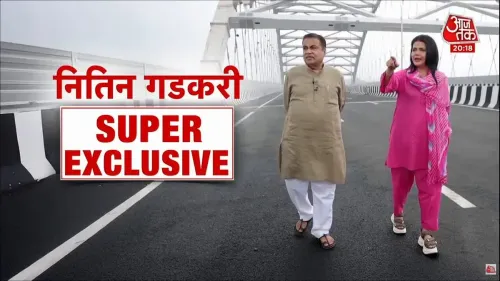
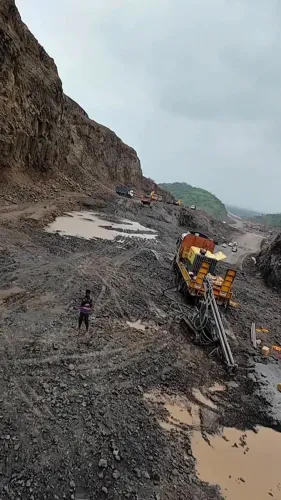
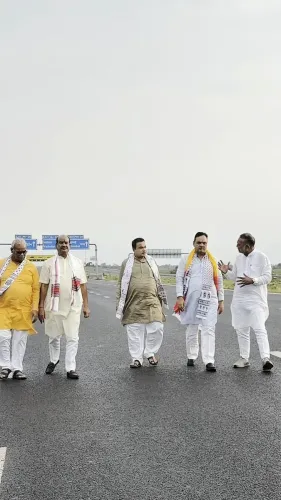
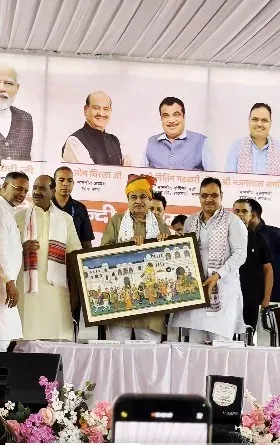
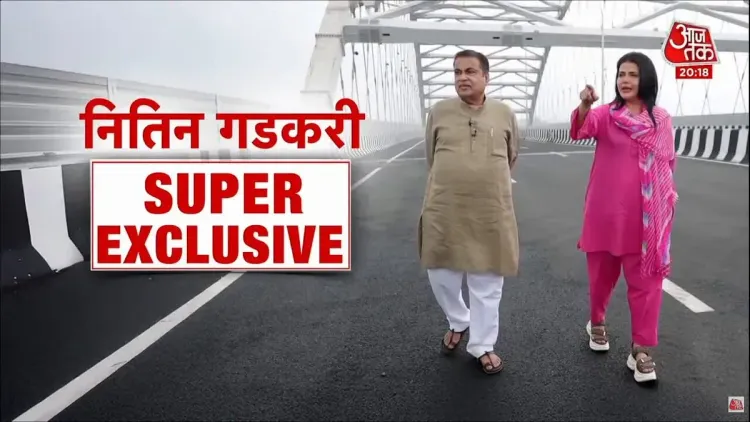
Gadkari inspects Delhi-Mumbai Expressway, speaks to media
Synopsis
Union Minister Nitin Gadkari visited the Delhi-Mumbai Expressway on 9 July 2026 for an on-site inspection and spoke to media, highlighting progress on the 1,350-km corridor and the Delhi-Vadodara stretch under Bharatmala Pariyojana and PM Gati Shakti.
Key Takeaways
Nitin Gadkari conducted an inspection tour of the Delhi-Mumbai Expressway on 9 July 2026 .
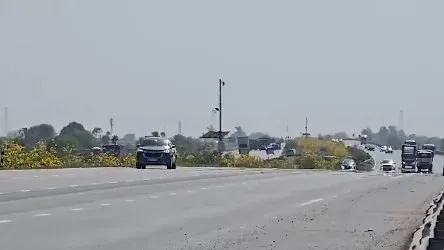
The Delhi-Mumbai Expressway is approximately 1,350 km long and is designed as a fully access-controlled high-speed corridor.
The Delhi-Vadodara Expressway , a sub-section of over 300 km , is a key component of the larger corridor.
The project is being executed under Bharatmala Pariyojana , launched in 2015 to develop over 80,000 km of national highways.
PM Gati Shakti , launched in October 2021 , provides the integrated multi-modal planning framework supporting the project.
Completion of the corridor is expected to benefit freight transporters, logistics firms, and commuters across North and West India .
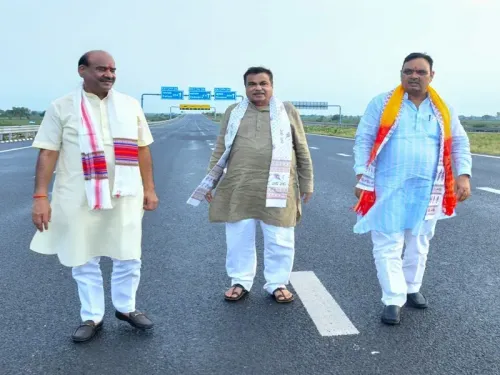
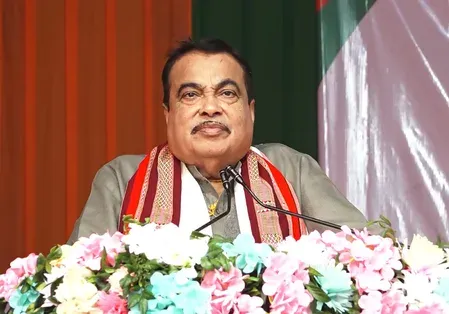
Union Road Transport and Highways Minister Nitin Gadkari conducted an on-site inspection of the Delhi-Mumbai Expressway on Thursday, 9 July 2026, and spoke to a Hindi news channel during the visit, sharing updates on the progress of the corridor under the #PragatiKaHighway and #GatiShakti initiatives.
Context
The minister's post, shared on X, referenced an interaction during an inspection tour of the expressway — one of the most ambitious road infrastructure projects currently under execution in India. The hashtags #DelhiMumbaiExpressway and #DelhiVadodaraExpressway indicate that the visit covered both the larger corridor and its key sub-section running through Rajasthan and Gujarat.
The Delhi-Mumbai Expressway spans approximately 1,350 kilometres, designed as a fully access-controlled, high-speed corridor aimed at dramatically reducing travel time between the two cities. The Delhi-Vadodara Expressway, a critical stretch of over 300 kilometres, forms a major component of this broader alignment.
Policy Backdrop
The expressway is a flagship project under Bharatmala Pariyojana, the umbrella highway development programme launched in 2015 to build over 80,000 kilometres of national highways, including greenfield expressways and economic corridors. The programme prioritises high-speed freight and passenger corridors to reduce logistics costs and improve inter-city connectivity.
Complementing this is PM Gati Shakti, the National Master Plan unveiled in October 2021, which integrates road, rail, and port infrastructure planning through a unified digital platform across ministries. Together, these two policy frameworks have provided the institutional backbone for accelerating projects such as the Delhi-Mumbai Expressway.
Stakeholders and Impact
The corridor is expected to benefit a wide range of stakeholders — from daily highway commuters to large-scale freight transporters and logistics firms operating between Delhi, Jaipur, Vadodara, and Mumbai. Faster transit times along this route are projected to reduce fuel costs and improve supply-chain efficiency for businesses across North and West India.
For the broader economy, high-speed expressways of this scale are seen as catalysts for industrial growth along the corridor, potentially spurring new warehousing zones, manufacturing clusters, and real-estate development in districts that the alignment passes through.
What's Next
Attention will now turn to completion milestones and the start of tolling operations on the remaining sections of both the Delhi-Mumbai and Delhi-Vadodara expressways. Any updates on project costs, land acquisition status, or revised timelines are likely to emerge through parliamentary disclosures or subsequent ministerial statements.
Minister Gadkari's continued hands-on inspection visits signal the government's intent to push remaining stretches toward completion, with the corridor's full operationalisation seen as a benchmark moment for India's greenfield expressway programme.
Point of View
Covering sections where execution pressure remains highest. Within the broader arc of Bharatmala and Gati Shakti, such field visits serve a dual purpose — administrative oversight and political signalling ahead of what would be a high-profile inauguration. The corridor's completion will be a defining metric for the road ministry's term-end infrastructure scorecard.
NationPress
9 Jul 2026
Frequently Asked Questions
What is the Delhi-Mumbai Expressway and how long is it?
The Delhi-Mumbai Expressway is a fully access-controlled greenfield highway approximately 1,350 kilometres long, designed to significantly cut travel time between Delhi and Mumbai . It is being built under the Bharatmala Pariyojana programme.
What is the Delhi-Vadodara Expressway?
The Delhi-Vadodara Expressway is a stretch of over 300 kilometres that forms a key section of the larger Delhi-Mumbai Expressway corridor, passing through Rajasthan and Gujarat .
Why did Nitin Gadkari visit the Delhi-Mumbai Expressway in July 2026?
Nitin Gadkari conducted an on-site inspection of the Delhi-Mumbai Expressway on 9 July 2026 to review construction progress, and also spoke to media during the visit.
What is Bharatmala Pariyojana?
Bharatmala Pariyojana is a national highway development programme launched in 2015 to build over 80,000 kilometres of roads, including greenfield expressways and economic corridors across India.
What is PM Gati Shakti and how does it relate to expressways?
PM Gati Shakti is a National Master Plan launched in October 2021 that integrates planning for road, rail, and port projects through a unified digital platform, providing the policy framework that supports large corridors like the Delhi-Mumbai Expressway .