Gadkari to inspect Delhi-Mumbai Expressway after Dausa bus fire kills 8
Synopsis
Eight people died and 28 were injured when a sleeper bus burst into flames after hitting a trailer truck on the Delhi-Mumbai Expressway in Dausa at 2.50 am on 1 July. Now Union Minister Nitin Gadkari is heading to the site personally — a rare ministerial ground inspection that puts highway safety systems, emergency response gaps, and the movement of heavy vehicles on India's flagship expressway under the spotlight.
Key Takeaways
Nitin Gadkari is scheduled to inspect the Delhi-Mumbai Expressway on Wednesday, 9 July , including a likely visit to the Dausa fire site .
A sleeper bus rear-ended a multi-axle trailer truck at 2.50 am on 1 July in Dausa, Rajasthan , triggering a devastating fire.
Eight people were killed — six burnt alive, two from head injuries — and 28 were injured ; most victims were from Madhya Pradesh .
The bus was carrying 36 passengers from Haridwar to Indore when the collision occurred.
The inspection will also cover the Dara Tunnel, Kota and expressway sections in Madhya Pradesh and Gujarat .
NHAI officials have begun pre-visit safety and maintenance reviews along the corridor.
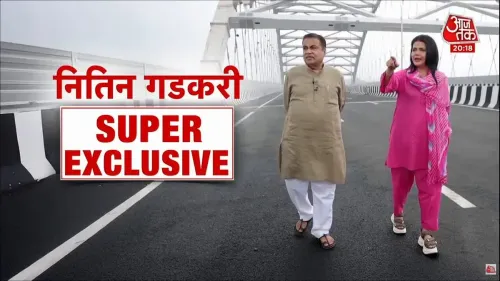
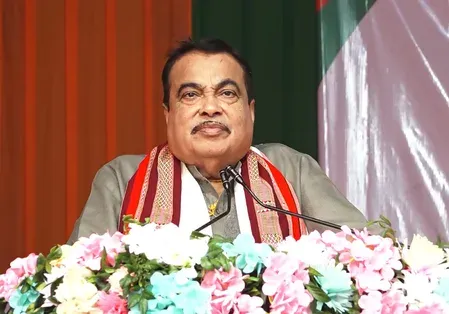
Union Road Transport and Highways Minister Nitin Gadkari is set to personally inspect the Delhi-Mumbai Expressway on Wednesday, 9 July, following a deadly bus-trailer collision and fire in Rajasthan's Dausa district on 1 July that killed eight people and left 28 others injured. The visit signals the Centre's acknowledgement that highway safety and emergency response systems on the corridor require urgent scrutiny.
Inspection Route and Key Stops
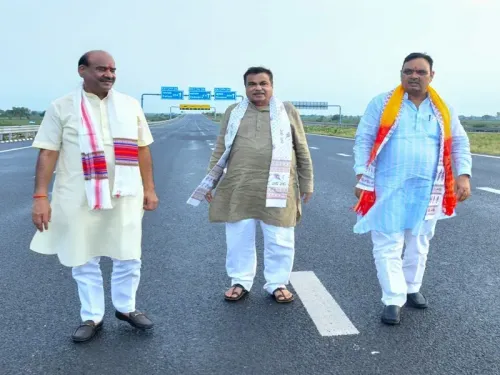
According to National Highways Authority of India (NHAI) officials, Gadkari will travel by road from Delhi and proceed toward Kota-Ratlam via the expressway. He is expected to pass through Dausa district at around 2 pm, where he may visit the site of the 1 July fire incident.
The inspection will cover the condition and maintenance of the expressway, ongoing construction work, safety infrastructure, and arrangements at the Dara Tunnel in Mukundara Hills, Kota. The review will also extend to expressway sections in Madhya Pradesh and Gujarat. NHAI officials and other departments have already begun preparations along the corridor ahead of the Minister's visit.
What Happened on 1 July: The Dausa Tragedy
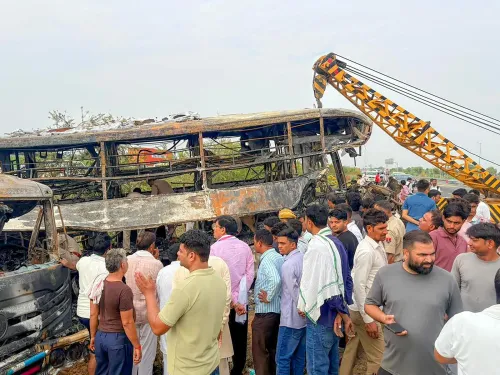
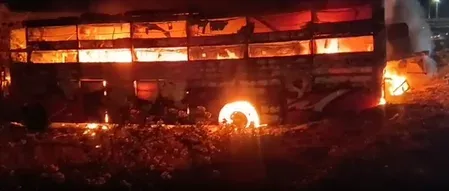
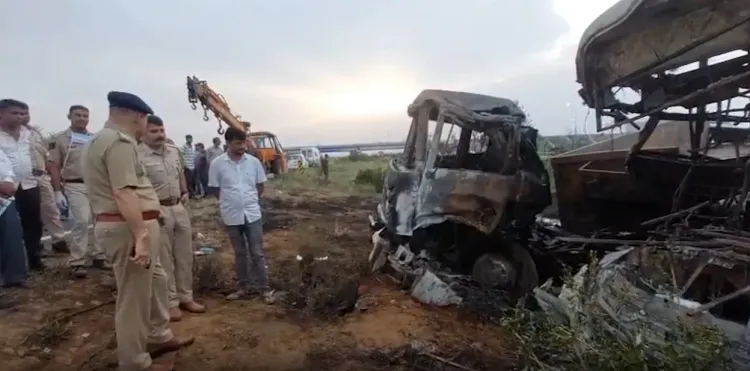
The catastrophe unfolded at around 2.50 am on 1 July when an air-conditioned sleeper coach travelling from Haridwar to Indore with 36 passengers on board rear-ended a multi-axle trailer truck moving in the same direction on the expressway. The impact triggered what survivors described as a loud explosion, with fire engulfing the bus within moments.
Passengers scrambled to escape through thick smoke and intense heat. Six people were burnt alive and charred beyond recognition at the scene; two others died later of severe head injuries. The dead were mostly residents of Madhya Pradesh. A police technical report has confirmed the sequence of events, though the precise cause of the blaze is still under investigation.
Safety Concerns the Inspection Must Address
The Dausa accident has reignited concerns about several systemic gaps on the expressway: the movement of heavy multi-axle trucks during late-night hours, the adequacy of fire-suppression and emergency response infrastructure, and the time taken for rescue teams to reach the site. This is not an isolated incident — the Delhi-Mumbai Expressway, despite being one of India's most modern highway projects, has seen multiple fatal accidents since sections opened to traffic.
Notably, the tragedy has also drawn attention to the absence of mandatory fire-safety equipment in private sleeper buses, a gap that safety advocates have flagged repeatedly. Critics argue that enforcement of existing vehicle safety norms remains weak across national highway corridors.
What Comes Next
Gadkari's on-ground review is expected to result in directions to NHAI on safety upgrades, emergency response protocols, and construction timelines. Whether those directions translate into enforceable deadlines — and independent monitoring — will determine their real impact. All eyes will be on the Minister's post-inspection statement for concrete commitments on highway safety reform.
Point of View
Not a solution. The Dausa tragedy exposes a cluster of unresolved failures: lax enforcement of fire-safety norms in sleeper buses, inadequate emergency response infrastructure on a flagship expressway, and the unchecked movement of heavy trucks during high-risk late-night hours. Gadkari's visit will generate optics and likely some directives — but India's highway safety record has a long history of post-tragedy reviews that did not produce lasting change. The real accountability test is whether this inspection produces time-bound, independently monitored safety mandates, or becomes another entry in a familiar cycle of tragedy, inspection, and institutional forgetting.
NationPress
6 Oct 2026
Frequently Asked Questions
Why is Nitin Gadkari inspecting the Delhi-Mumbai Expressway?
Gadkari is inspecting the expressway following the deadly 1 July bus fire in Dausa, Rajasthan, which killed eight people and injured 28. The visit is aimed at reviewing safety measures, maintenance, and emergency response systems on the corridor.
What happened in the Dausa bus fire on 1 July 2025?
A private sleeper bus travelling from Haridwar to Indore rear-ended a multi-axle trailer truck on the Delhi-Mumbai Expressway at around 2.50 am on 1 July. The collision triggered a fire that killed eight people — six burnt alive and two who died later of head injuries — and injured 28 others, most of them from Madhya Pradesh.
Which areas will Gadkari's inspection cover?
The inspection will cover the Delhi-Mumbai Expressway from Delhi through Dausa, and extend to the Dara Tunnel in Mukundara Hills, Kota, as well as expressway sections in Madhya Pradesh and Gujarat.
What safety concerns has the Dausa accident raised?
The accident has highlighted gaps in fire-safety equipment on private sleeper buses, emergency response infrastructure on the expressway, and enforcement of vehicle safety norms. Critics argue that late-night heavy truck movement on the corridor also needs stricter regulation.
What action has NHAI taken ahead of the inspection?
NHAI officials and other concerned departments have begun preparations along the expressway, reviewing safety arrangements and facilities in advance of Minister Gadkari's visit.