Delhi-Mumbai Expressway safety audit ordered in 15 days after Dausa crash kills 8
Synopsis
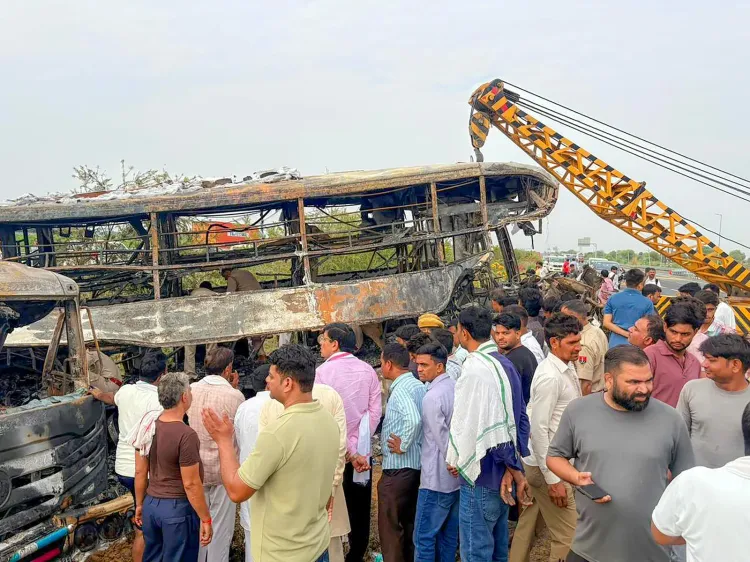
Eight deaths in a single Dausa collision were enough to trigger Rajasthan's highest-level road safety intervention in recent memory. The state has given NHAI a hard 15-day deadline for a full expressway audit — while also taking aim at out-of-state buses flouting safety norms and mandating ambulances at every toll plaza. The pressure is now on execution.
Key Takeaways
The Rajasthan government ordered a 15-day road safety audit of the Delhi-Mumbai Expressway following a Dausa bus-trailer collision that killed 8 people .
NHAI Chairman Santosh Kumar Yadav confirmed the audit will be completed within the stipulated period, with signage and surveillance improvements to follow.
Buses registered in Arunachal Pradesh and Nagaland operating in Rajasthan without meeting safety standards came under scrutiny; semi-official letters will be sent to both states.
Every toll plaza on Rajasthan highways must now have access to ambulances, first-aid, recovery cranes, and fire brigade support.
The Transport and Road Safety Department will launch enforcement drives targeting reflective tapes, AIS compliance, over-speeding, and pending challans.
This was the third consecutive day of high-level road safety meetings chaired by Chief Secretary V.
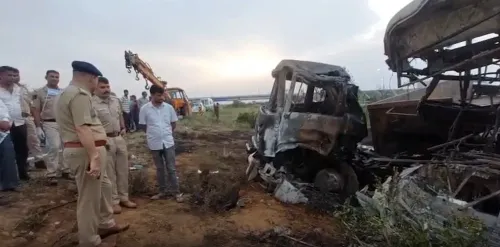
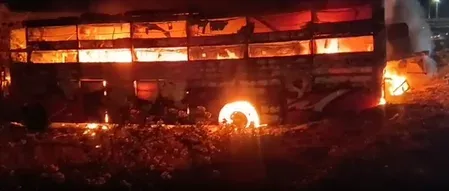
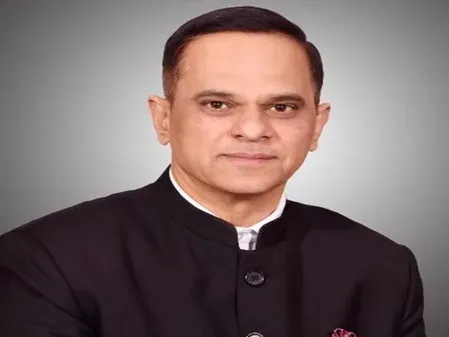
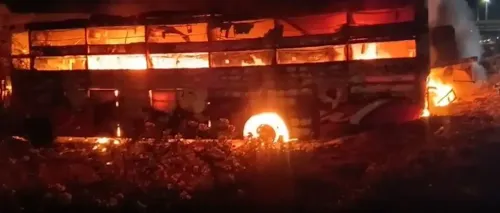
The Rajasthan government on Friday, 4 July 2025, directed the National Highways Authority of India (NHAI) to conduct a comprehensive road safety audit of the Delhi-Mumbai Expressway within 15 days, following a fatal bus-trailer collision in Dausa that killed eight people. The order came during a high-level road safety review meeting chaired by State Chief Secretary V. Srinivas, who declared passenger safety the government's foremost priority.
What the Government Directed
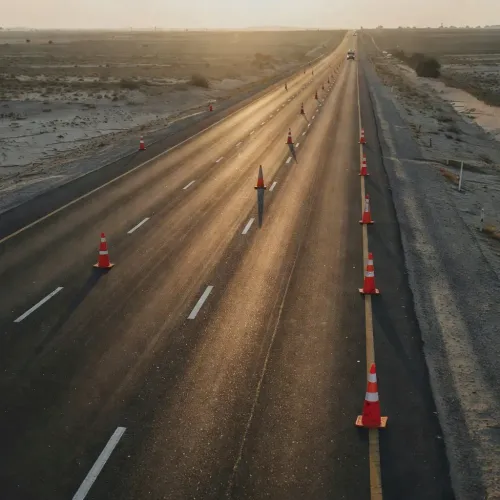
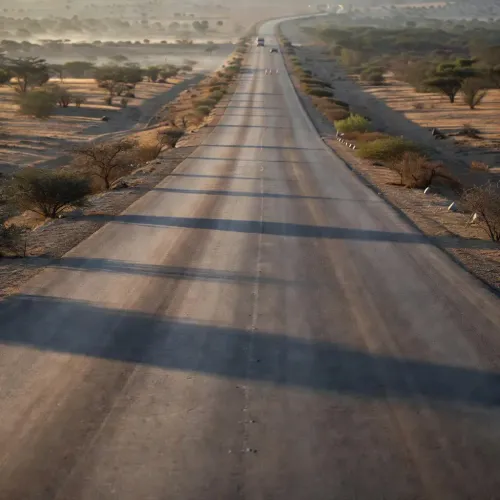
Chief Secretary V. Srinivas instructed NHAI to ensure all surveillance cameras along national highways remain fully operational and to address deficiencies in road signage, lane markings, and safety infrastructure along the expressway corridor. He also directed officials across the state to identify accident-prone locations — commonly termed black spots — and undertake corrective engineering measures within a fixed timeline.
NHAI Chairman Santosh Kumar Yadav, who attended the meeting, assured that the audit would be completed within the stipulated period and that improvements including enhanced signage would be carried out promptly. He also acknowledged the Rajasthan government's proactive stance on road safety.
Out-of-State Buses Under Scrutiny
The meeting flagged a specific compliance concern: buses registered in Arunachal Pradesh and Nagaland but operating within Rajasthan without adhering to prescribed bus body safety standards. Chief Secretary Srinivas directed that semi-official letters be sent to the Chief Secretaries of both states seeking corrective action.
He further instructed transport authorities to ensure no vehicle is registered or permitted to operate without thorough inspection and verification against applicable safety standards, stressing that passenger safety cannot be compromised under any circumstance.
Enforcement and Emergency Response Measures
The Transport and Road Safety Department has been tasked with launching special enforcement drives covering installation of reflective tapes on vehicles, verification of compliance with Automotive Industry Standards (AIS) for buses, recovery of pending traffic challan penalties, and strict action against over-speeding vehicles.
To strengthen emergency response, every toll plaza must now have access to ambulances, first-aid facilities, recovery cranes, towing vehicles, and fire brigade support in coordination with the state government. Authorities were also asked to ensure affordable food facilities for commercial vehicle drivers at highway amenity centres, a measure aimed at reducing fatigue-related accidents on long-distance routes.
District-Level Coordination
Chief Secretary Srinivas directed all Divisional Commissioners to convene meetings with District Collectors to review the functioning of district road safety committees and ensure coordinated, on-ground implementation of safety measures. The review meeting was the third consecutive day of such discussions chaired by Srinivas following a spate of recent fatal road accidents across Rajasthan.
The meeting was attended by Director General of Police Rajiv Kumar Sharma, Additional Chief Secretary (Public Works Department) Praveen Gupta, Principal Secretary (Transport) Bhawani Singh Detha, Additional Chief Secretary (Home) Bhaskar Atmaram Sawant, Transport Commissioner Purushottam Sharma, and senior officials from Arunachal Pradesh and Nagaland transport departments, among others. With the audit deadline set and enforcement drives imminent, the coming fortnight will test whether Rajasthan's directives translate into measurable safety gains on one of India's busiest expressways.
Point of View
Raising questions about whether design standards, speed enforcement, and rest-area infrastructure kept pace with the traffic volumes the corridor attracted. The out-of-state bus angle is also telling — it points to a regulatory gap where vehicles registered in distant states operate in Rajasthan's high-risk corridors with minimal oversight. A 15-day audit is a start, but without binding timelines for remediation and independent verification of black-spot fixes, this risks being another post-tragedy paper exercise.
NationPress
2 Oct 2026
Frequently Asked Questions
What triggered the Rajasthan government's road safety audit order?
A fatal bus-trailer collision on the Delhi-Mumbai Expressway in Dausa district killed eight people, prompting the Rajasthan government to order a comprehensive 15-day safety audit of the expressway and statewide identification of accident-prone black spots.
What has NHAI been asked to do?
NHAI has been directed to complete a full safety audit of the Delhi-Mumbai Expressway within 15 days, ensure all surveillance cameras along national highways are functional, and address deficiencies in signage, lane markings, and safety infrastructure. NHAI Chairman Santosh Kumar Yadav confirmed compliance.
Why are buses from Arunachal Pradesh and Nagaland a concern?
Buses registered in Arunachal Pradesh and Nagaland have been found operating in Rajasthan without meeting prescribed bus body safety standards. The Rajasthan government will write to the Chief Secretaries of both states seeking corrective action.
What emergency response changes are being made on Rajasthan highways?
Every toll plaza must now have access to ambulances, first-aid facilities, recovery cranes, towing vehicles, and fire brigade support. Affordable food facilities for commercial vehicle drivers at amenity centres are also being mandated to reduce fatigue-related risks.
Is this a one-off meeting or part of a broader push?
The review meeting on Friday was the third consecutive day of high-level road safety discussions chaired by Chief Secretary V. Srinivas, indicating a sustained government focus following a series of recent fatal road accidents across Rajasthan.