Giriraj Singh Greets Artisans on World Handicrafts Day
Synopsis
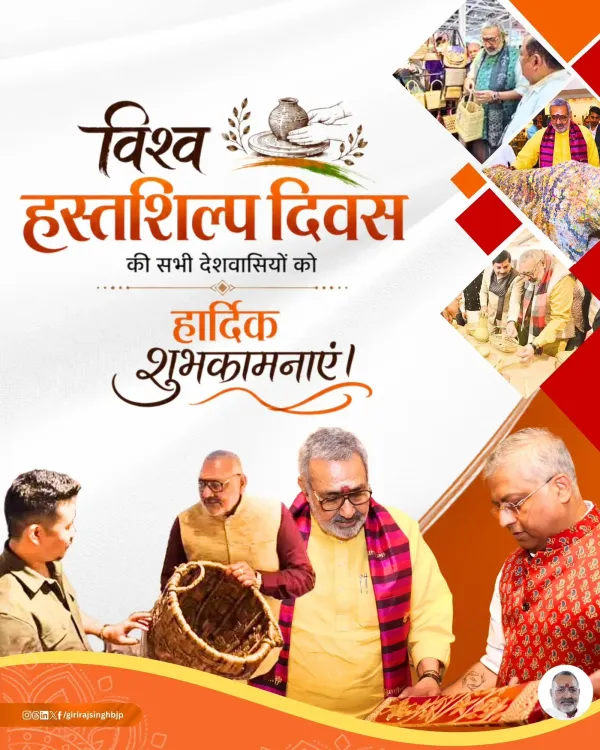
Union Textiles Minister Giriraj Singh marked World Handicrafts Day on 10 June 2026 by greeting India's artisans, weavers and craftsmen and reaffirming the BJP government's push to empower traditional craft communities through Vocal for Local and Atmanirbhar Bharat.
Key Takeaways
Union Textiles Minister Giriraj Singh posted greetings on World Handicrafts Day, 10 June 2026 .
He credited PM Narendra Modi 's leadership for continuous work on traditional craft promotion and artisan empowerment.
The post reinforced the Vocal for Local and Atmanirbhar Bharat policy frameworks for supporting indigenous handicrafts.
The Ministry of Textiles oversees GI tagging, cluster development and export promotion for India's craft sector.
The Atmanirbhar Bharat Abhiyan was launched in May 2020 with artisan and local craft support as a core component.
Upcoming parliamentary sessions and trade data on handicraft exports will indicate concrete policy follow-through.
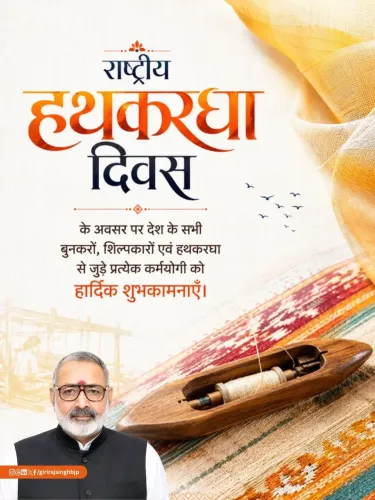
Union Textiles Minister Giriraj Singh on Wednesday, 10 June 2026 extended greetings to artisans, craftsmen, weavers and all citizens of India on World Handicrafts Day, reaffirming the BJP government's commitment to empowering traditional craft communities economically and socially.
Context
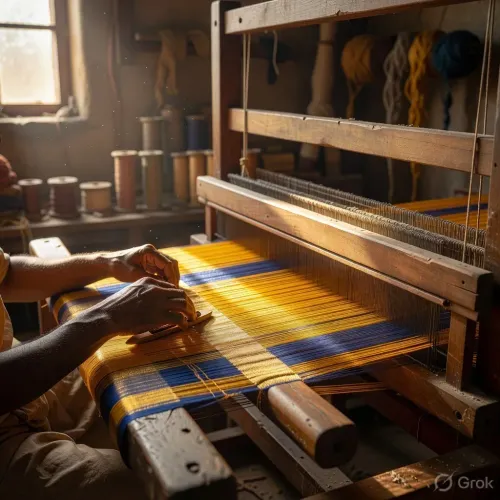
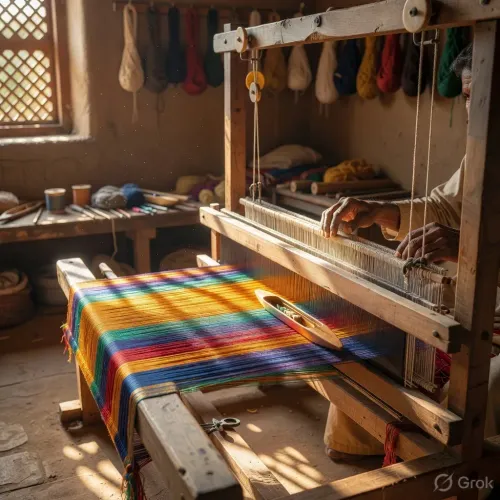
World Handicrafts Day, observed every year on 10 June, recognises the contribution of artisans and weavers to cultural heritage and rural livelihoods. In his post, Singh wrote — 'हमारी समृद्ध सांस्कृतिक विरासत को अपने अद्वितीय हुनर से संजोने वाले देश के सभी शिल्पकारों, कारीगरों, बुनकरों' — ('all craftsmen, artisans and weavers of the country who preserve our rich cultural heritage with their unique skills'). He called on citizens to honour local artisans and strengthen the Vocal for Local resolve on this occasion.
The minister explicitly credited Prime Minister Narendra Modi's leadership for driving continuous work towards giving traditional crafts and handicrafts a new identity and for the economic and social empowerment of craftsmen and weavers.
Policy Backdrop
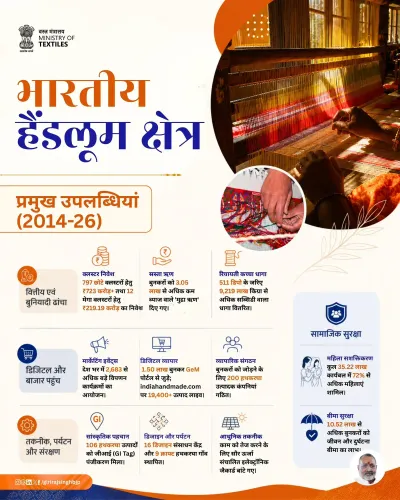
The Atmanirbhar Bharat Abhiyan, launched in May 2020, placed support for traditional artisans and local crafts at its centre, with Vocal for Local as its cultural-economy pillar. The Ministry of Textiles has since anchored policy around GI tagging, cluster development and export promotion to convert India's intangible craft heritage into a measurable economic asset.
The Geographical Indications of Goods Act, 1999, operationalised from 2003 onward, has been a key instrument for protecting and marketing Indian handicrafts and handlooms in domestic and global markets. These efforts collectively reflect a broader government strategy that frames cultural preservation as inseparable from rural employment and foreign-exchange generation.
Stakeholders and Impact
India's handicraft and handloom sector supports millions of artisans, weavers and craftsmen spread across rural and semi-urban clusters in states such as Uttar Pradesh, Rajasthan, West Bengal, Gujarat and Kashmir. The sector is among the largest employers in the unorganised economy and a significant contributor to India's craft export basket.
Singh's appeal to consumers to choose locally made handicrafts directly reinforces demand-side support for these communities. The Textiles Ministry's role in GI protection and cluster development means that policy signals from the minister carry direct implications for scheme allocations and artisan welfare programmes.
What's Next
Attention will now turn to whether the government follows the symbolic observance with concrete policy announcements — including updated National Handloom and Handicraft policy documents or fresh budget allocations for artisan welfare in the next parliamentary session. Performance of handicraft exports in forthcoming trade data will also serve as a measure of how effectively the Vocal for Local and Atmanirbhar Bharat frameworks are translating into ground-level gains for India's craft communities.
Point of View
The Textiles Ministry signals that craft heritage is not merely a cultural talking point but a policy priority with electoral and economic dimensions. The post also reinforces the government's pattern of crediting PM Modi personally for sectoral gains, a framing that serves both party messaging and policy continuity. The real test, however, lies in whether symbolic affirmations translate into measurable budget allocations and artisan welfare outcomes in the months ahead.
NationPress
14 Sept 2026
Frequently Asked Questions
What is World Handicrafts Day and when is it observed?
World Handicrafts Day is observed every year on 10 June to recognise the contribution of artisans, weavers and craftsmen to cultural heritage and rural livelihoods.
What did Giriraj Singh say on World Handicrafts Day 2026?
Union Textiles Minister Giriraj Singh greeted all artisans, craftsmen and weavers on World Handicrafts Day , reaffirmed the BJP government's commitment to their economic and social empowerment, and urged citizens to honour local artisans by strengthening the Vocal for Local resolve.
What is the Vocal for Local initiative?
Vocal for Local is a government policy push and slogan, part of the Atmanirbhar Bharat Abhiyan launched in May 2020 , that encourages citizens to purchase indigenous handicrafts and handlooms to support local artisans and strengthen domestic economies.
What is the Ministry of Textiles' role in supporting Indian handicrafts?
The Ministry of Textiles is responsible for GI tagging, cluster development, export promotion and welfare programmes for handloom and handicraft communities across India, converting cultural heritage into an economic asset.
What policy protects Indian handicrafts and handlooms?
The Geographical Indications of Goods Act, 1999 , operationalised from 2003 , is the primary legal instrument used to protect and market Indian handicrafts and handlooms in domestic and international markets.