Giriraj Singh champions Indian artisans' global handicraft push
Synopsis
Union Textiles Minister Giriraj Singh praised Indian artisans on October 14, 2026, for advancing India's rich handicraft tradition globally and reaffirmed the ministry's commitment to strengthening exports and unlocking new opportunities for craft workers.
Key Takeaways
Union Textiles Minister Giriraj Singh posted on October 14, 2026 , highlighting the global rise of Indian handicraft artisans.
Singh affirmed that 'continuous efforts are underway' to strengthen handicraft exports and generate new artisan opportunities.
The Geographical Indications (Registration and Protection) Act, 1999 remains a primary legal tool for branding and protecting Indian craft exports.
Key craft clusters — including Lucknow chikankari, Jaipur blue pottery and Moradabad brassware — anchor India's handicraft export identity.
The sector is a major rural employer, particularly for women artisans in smaller towns and villages.
Watch for: fresh official handicraft export statistics and new budget allocations for artisan development programmes.
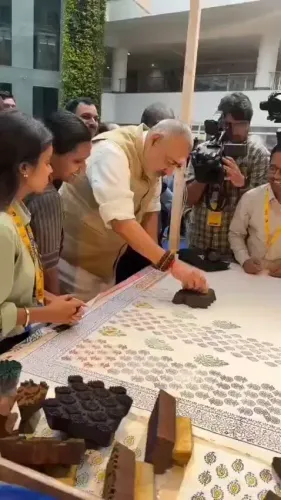
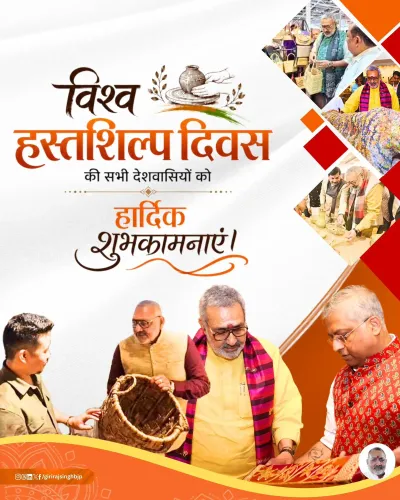
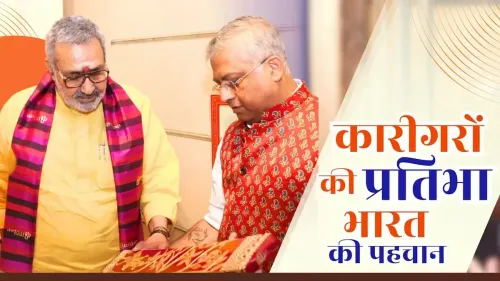
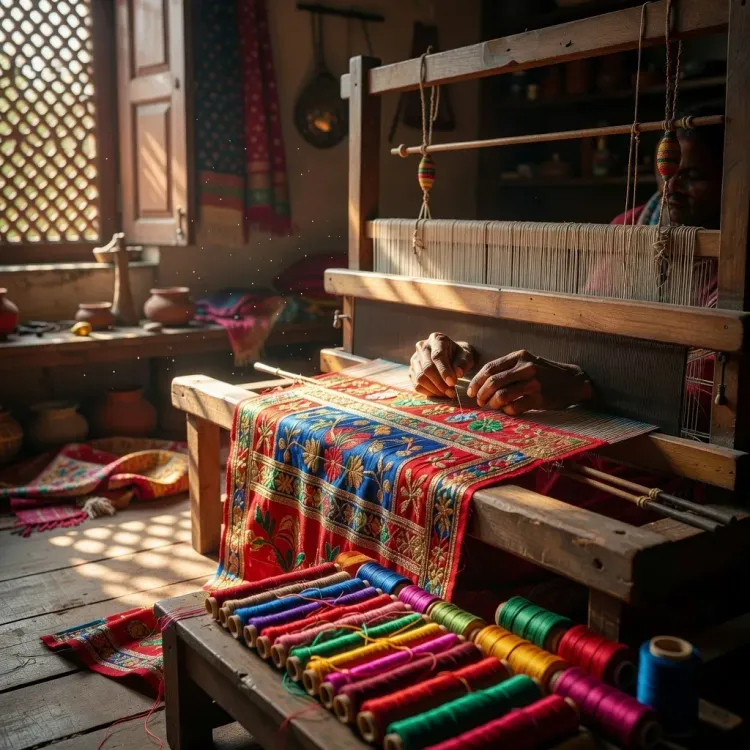
India's artisans are carrying a centuries-old craft tradition into global markets — and Union Textiles Minister Giriraj Singh wants the world to take notice. On Wednesday, October 14, 2026, Singh took to X to celebrate the skill and perseverance of Indian handicraft makers, signalling that the Ministry of Textiles is actively working to expand export opportunities for the sector.
In his post, Singh wrote: 'Hamare karigar apni kala, kaushal aur mehnat se Bharatiya hastashilp ki samridh parampara ko aage badha rahe hain.' — 'Our artisans, through their art, skill and hard work, are carrying forward the rich tradition of Indian handicrafts. Their skills are gaining new global recognition.' He added that 'continuous efforts are underway to further strengthen handicraft exports and create new opportunities for artisans.'
A sector rooted in tradition, now chasing global scale
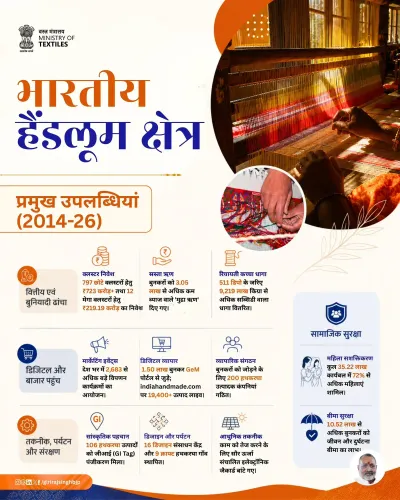
Indian handicrafts represent one of the country's most labour-intensive and culturally dense export categories, drawing on regional craft clusters — from the chikankari embroidery of Lucknow to the blue pottery of Jaipur and the brass metalwork of Moradabad. The sector is a significant rural employer, providing livelihoods to millions of artisans, most of them women, in small towns and villages far from industrial corridors. Successive governments have used the Geographical Indications of Goods (Registration and Protection) Act, 1999 as a key tool to protect and market traditional craft identities in international trade. A GI tag both authenticates provenance and unlocks premium positioning in overseas markets — a critical lever when Indian crafts compete against mass-produced alternatives.Ministry's export push: skill, branding, and trade-fair presence
The Ministry of Textiles has long anchored handicraft promotion on three pillars: structured skill-upgradation programmes that keep traditional techniques alive without freezing them in amber; GI registration drives that brand craft clusters for export buyers; and sustained participation in international trade fairs where Indian artisans can meet global buyers directly. Singh's post fits squarely into that playbook. His framing — 'new global recognition' — signals that the ministry sees craft exports not merely as a heritage preservation exercise but as a live revenue and employment story with room to grow. The emphasis on 'creating new opportunities' suggests fresh policy intent, even if specific scheme names or allocation numbers were not disclosed in the post.Rural employment, cultural diplomacy, and the export ledger
The stakes extend beyond commerce. Handicraft exports sit at the intersection of rural employment policy and India's cultural diplomacy, making them a priority that transcends a single ministry's remit. When an artisan from Bihar or Rajasthan sells a hand-woven piece in a European market, it simultaneously earns foreign exchange, sustains a village livelihood, and projects Indian soft power. That triple dividend is exactly why the ministry's attention to this segment — and the minister's public advocacy for it — carries weight beyond a routine social-media update. The next concrete milestone to watch: the release of updated official handicraft export figures and any fresh budget allocation for artisan development schemes that would put numbers behind today's intent.Point of View
The ministry signals that handicraft policy is being reoriented from subsidy-led preservation toward market-led growth. This aligns with the broader 'Make in India' and rural employment thrust that has defined economic messaging since 2014. The absence of specific numbers, however, means the post reads more as directional intent than announced policy — the real test will come when export data and budget lines are made public.
NationPress
14 Oct 2026
Frequently Asked Questions
What did Giriraj Singh say about Indian handicraft artisans?
On October 14, 2026, Union Textiles Minister Giriraj Singh praised Indian artisans for advancing the country's rich handicraft tradition through skill and hard work, and said the government is continuously working to strengthen handicraft exports and create new opportunities for craft workers.
How does India protect and promote handicraft exports?
India uses the Geographical Indications of Goods (Registration and Protection) Act, 1999, to register traditional crafts and give them legal protection in international markets, alongside skill programmes and participation in global trade fairs.
Which Indian craft clusters are major handicraft exporters?
Key clusters include Lucknow for chikankari embroidery, Jaipur for blue pottery, and Moradabad for brassware and metalwork, all of which have established international buyer networks.
What is the Ministry of Textiles' role in handicraft exports?
The Ministry of Textiles oversees skill-development programmes, GI registration drives, and India's presence at international trade fairs to help artisans access global markets and grow export revenues.
Why are handicraft exports important for India's rural economy?
The handicraft sector is a major rural employer, providing livelihoods to millions of artisans — especially women — in villages and small towns, while also earning foreign exchange and projecting Indian cultural identity abroad.