Goyal flags off first GI-tagged Tandur Tur Dal export to Australia
Synopsis
Union Commerce Minister Piyush Goyal flagged off the first export of GI-tagged Tandur Tur Dal from Telangana to Australia on 29 October 2026. The 2.5 MT inaugural shipment signals India's push to leverage Geographical Indication certifications as a premium agricultural trade tool in global markets.
Key Takeaways
First-ever export of GI-tagged Tandur Tur Dal from Telangana has been flagged off to Australia .
The inaugural consignment weighs 2.5 metric tonnes , marking a pilot for a new premium export corridor.
Tandur Tur Dal originates from the Tandur region of Rangareddy district in Telangana and carries a legally protected Geographical Indication tag.
The GI tag enables price premiums in export markets, directly improving returns for Telangana farmers .
The shipment is part of the Commerce Ministry's broader strategy to convert India's GI registry into an active agricultural trade tool.
Australia was chosen as the first destination due to its large South Asian community and demand for authentic Indian food products.
A small red lentil from a town in Telangana just made history on the global trade map. Union Commerce and Industry Minister Piyush Goyal on Thursday, 29 October 2026, flagged off the first-ever export of GI-tagged Tandur Tur Dal from Telangana to Australia — a landmark shipment that marks India's push to monetise its rich repository of Geographical Indication products in premium overseas markets.
2.5 MT of Telangana's prized pigeon pea heads Down Under
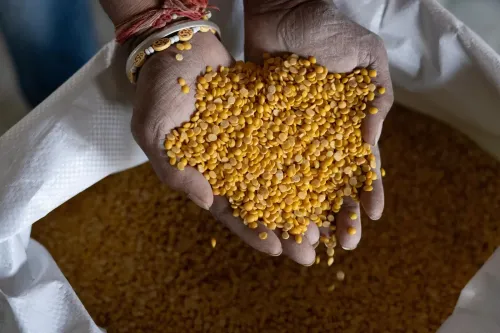
The inaugural consignment weighs 2.5 metric tonnes — modest in volume, but significant as a proof of concept. Tandur Tur Dal, grown in and around the Tandur region of Rangareddy district in Telangana, holds a Geographical Indication tag that certifies its unique agronomic origin and flavour profile. The GI designation means Australian consumers buying this dal are getting a product whose identity is legally tied to a specific Indian terroir — not a generic commodity.
Minister Goyal framed the moment as a win for both farmers and exporters, writing that 'our farmers and exporters are reaping the financial benefits of growing international demand for India's authentic agricultural products.' The GI tag typically commands a price premium over unbranded equivalents, improving farm-gate returns for the growers who cultivate the speciality crop.
Why GI tags are becoming India's agricultural trade weapon
India has one of the fastest-growing GI registries in Asia. From Darjeeling Tea and Basmati Rice to Alphonso Mangoes and Kolhapuri Chappals, the country has registered hundreds of products that carry a legally protected mark of origin. For agricultural GI products specifically, the tag serves a dual purpose: it protects domestic producers from imitation goods and opens the door to niche, high-value export corridors where provenance drives purchasing decisions.
Tandur Tur Dal's journey to Australia follows a pattern the Commerce Ministry has been actively cultivating — identifying regionally distinct agri-products, securing their GI status, and then building export pipelines into markets where the Indian diaspora and food-curious consumers create ready demand. Australia, home to a significant South Asian community, is a natural first destination for a speciality dal that carries the unmistakable flavour identity of the Deccan plateau.
Telangana farmers in the global supply chain
For the farming communities around Tandur, this export is more than a symbolic milestone. GI-linked exports translate directly into better price discovery — buyers abroad pay for authenticity, and that premium flows back up the chain. The Commerce Ministry's broader strategy treats GI certification not as a bureaucratic exercise but as a market-access instrument, and this shipment is the clearest illustration yet of that intent becoming reality.
If the Australia corridor proves commercially viable, it is likely to be followed by larger volumes and potentially additional GI agri-products from Telangana and other southern states — turning a 2.5 MT pilot into a repeatable export template.
Point of View
Diaspora-rich market — the ministry is testing whether niche provenance-based agri-branding can carve out premium export corridors that bypass commodity pricing pressure. If this pilot scales, it signals a maturing of India's agricultural trade strategy: less bulk commodity, more traceable terroir. The political dividend is equally deliberate — Telangana farmers in the spotlight strengthens the BJP's outreach into a state it has been courting aggressively.
NationPress
29 Oct 2026
Frequently Asked Questions
What is Tandur Tur Dal and why does it have a GI tag?
Tandur Tur Dal is a variety of pigeon pea (arhar dal) grown in the Tandur region of Rangareddy district in Telangana. It holds a Geographical Indication tag that certifies its unique origin, flavour profile, and production method, distinguishing it from generic pigeon pea varieties available in the market.
What is the size of the first Tandur Tur Dal export to Australia?
The inaugural export consignment is 2.5 metric tonnes, flagged off by Union Commerce Minister Piyush Goyal on 29 October 2026.
Why is India exporting GI-tagged products to Australia?
Australia has a large South Asian diaspora that creates ready demand for authentic Indian food products. The GI tag allows Indian exporters to command a price premium over generic commodities, benefiting both farmers and exporters.
How does a GI tag help Indian farmers financially?
A Geographical Indication tag certifies the unique origin of a product, allowing it to be marketed as a premium, traceable product. Buyers in export markets pay higher prices for such authenticated goods, and that premium flows back to the farmers who grow them.
Which ministry oversees GI-tagged product exports from India?
The Union Ministry of Commerce and Industry, currently headed by Minister Piyush Goyal, oversees the promotion and export of Geographical Indication-tagged products from India.