CM Majhi: 4,608 of 4,722 tube wells repaired in disaster-hit Odisha
Synopsis
Odisha CM Mohan Charan Majhi reports near-complete repair of 4,608 damaged tube wells and restoration of 275 rural water schemes in Ganjam, Gajapati and Kandhamal, with 292 tankers, 12 mobile treatment units and over 7.75 lakh water bottles deployed for disaster-affected residents.
Key Takeaways
4,608 of 4,722 damaged tube wells have been repaired and disinfected across disaster-hit districts.
275 of 402 affected rural piped water supply schemes have been restored to operation.
Emergency fleet includes 292 water tankers, 80 sintex tanks, 87 DG sets , and 12 mobile water treatment units .
4,55,000 water bottles and 3,20,000 water pouches distributed; over 4 lakh bottles held in reserve.
Districts under active review: Ganjam, Gajapati, and Kandhamal .
CM Majhi pledges the administration will remain on full alert until the situation normalises completely.
Clean water is reaching the last mile — and the numbers tell the story. Odisha Chief Minister Mohan Charan Majhi on Tuesday, 3 November 2026, released a granular operational update on emergency water restoration in three badly hit districts, confirming that the state machinery is running around the clock to prevent a secondary public-health crisis in the wake of the disaster.
4,608 tube wells back in service — 114 still to go
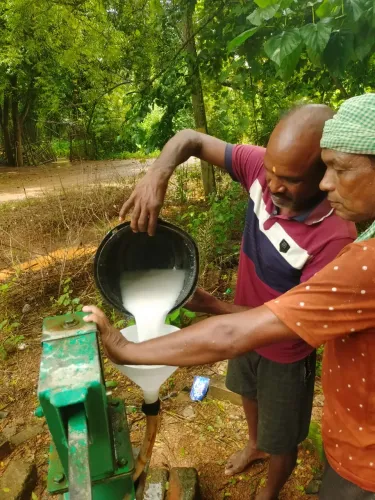
Of the 4,722 tube wells damaged across Ganjam, Gajapati, and Kandhamal districts, 4,608 have been repaired and disinfected — a completion rate of nearly 98 per cent. On the piped network, 275 of the 402 affected rural piped water supply schemes have been restored to working order. CM Majhi stated he is 'continuously reviewing' the drinking water and infrastructure recovery at the field level, signalling direct executive oversight rather than delegated monitoring alone.
Water tankers, sintex tanks, and mobile treatment units flood the field
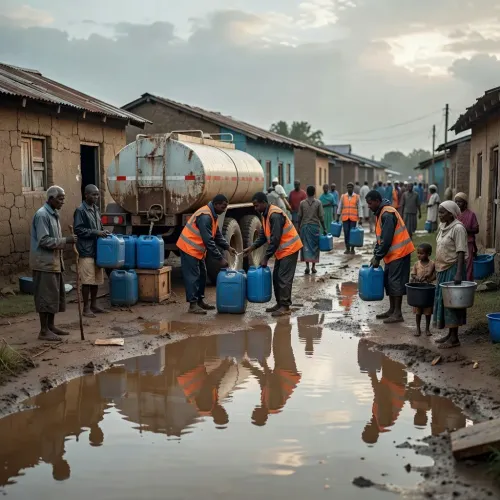
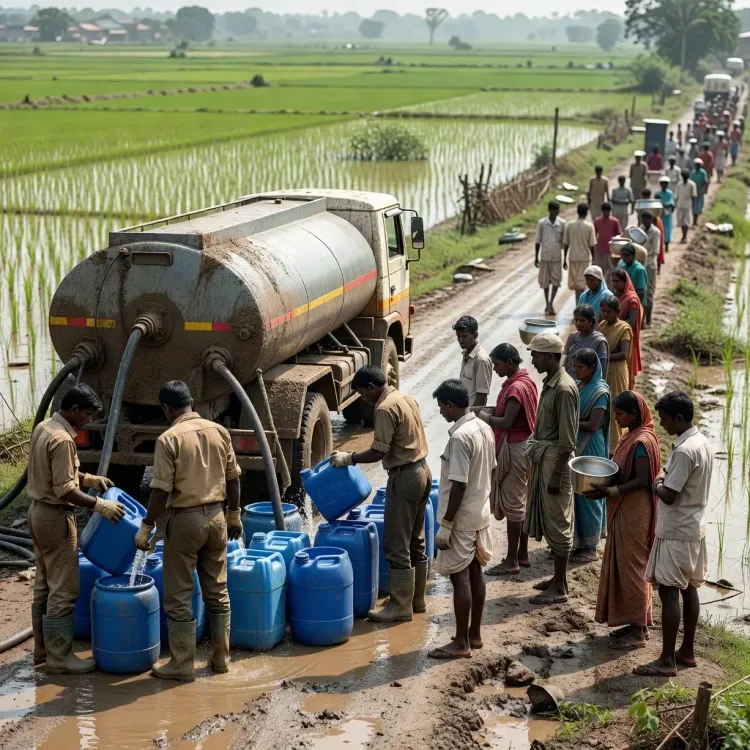
For households still without restored supply, the state has deployed a formidable emergency fleet: 292 water tankers, 80 sintex tanks, 87 diesel generator sets, and — crucially — 12 mobile water treatment units capable of purifying water on-site. These mobile units are the most consequential asset in the mix; they allow the administration to convert damaged or silted sources into potable supply without waiting for permanent repairs. 4,55,000 water bottles and 3,20,000 water pouches have already been distributed to affected residents, and a reserve stockpile of over 4 lakh additional water bottles is pre-positioned for imminent needs. Continuous disinfection of all water sources is ongoing.
Why Ganjam, Gajapati, and Kandhamal sit at the centre of every Odisha disaster response
This is not the first time these three districts have become the frontline of Odisha's emergency water effort. Ganjam, a densely populated coastal district, has faced recurring cyclone damage to tube wells — a pattern that intensified after Cyclone Fani in 2019, when a similar large-scale repair drive was mounted. Gajapati and Kandhamal, both hilly and partly tribal-dominated, present harder logistics: roads cut off, power outages, and dispersed habitations mean water restoration takes longer even when administrative will is strong. Odisha's preparedness protocols — pre-positioning tankers, maintaining mobile treatment units, and mandating district-level completion reports — have evolved precisely from those hard lessons.
CM Majhi's post closes with an unambiguous commitment: the administration will remain 'fully alert and proactive' until the situation returns completely to normal. With 127 piped schemes and 114 tube wells still awaiting restoration, that finish line is close — but not yet crossed.
Point of View
Accountable process rather than a vague relief effort. For a BJP government that swept Odisha in 2024 partly on a promise of administrative efficiency, demonstrating real-time control of a water emergency in historically vulnerable coastal and tribal districts carries both humanitarian and political weight. The continuity with post-Fani protocols also suggests institutional memory is functioning, which is significant given the 2024 change of government. The 127 piped schemes and 114 tube wells still unrestored are the number to watch — how quickly that gap closes will be the real test of the 'war-footing' pledge.
NationPress
3 Nov 2026
Frequently Asked Questions
How many tube wells have been repaired in Odisha after the recent disaster?
4,608 out of 4,722 damaged tube wells have been repaired and disinfected, according to CM Mohan Charan Majhi's update on 3 November 2026.
Which districts are affected by the water supply disruption in Odisha?
The three districts under active water restoration review are Ganjam, Gajapati, and Kandhamal in Odisha.
How many water bottles have been distributed to disaster victims in Odisha?
4,55,000 water bottles and 3,20,000 water pouches have been distributed, with an additional stockpile of over 4 lakh bottles kept in reserve.
What emergency water supply equipment has Odisha deployed after the disaster?
The state has deployed 292 water tankers, 80 sintex tanks, 87 diesel generator sets , and 12 mobile water treatment units for emergency water supply.
How many rural piped water supply schemes have been restored in Odisha?
275 of the 402 affected rural piped water supply schemes have been restored to working order so far.