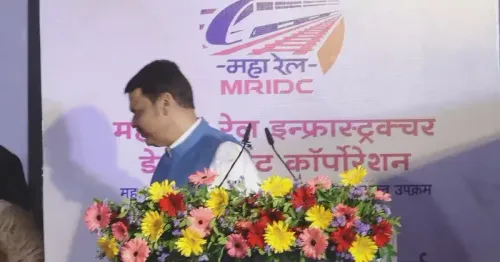
CM Fadnavis Inaugurates ROB, Tunnel & RUB Projects in Nagpur
Synopsis
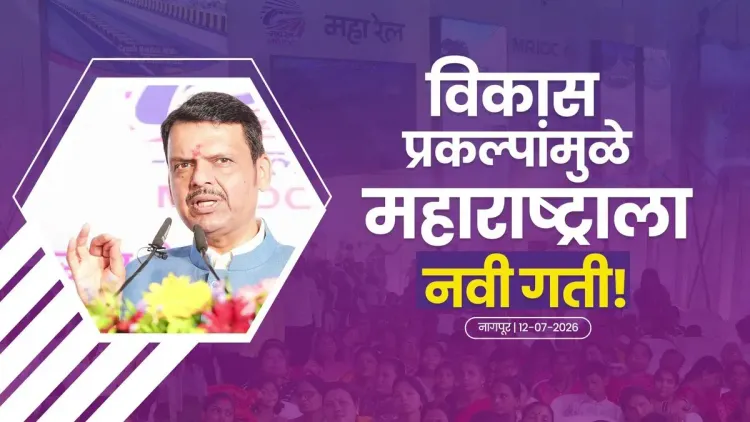
Chief Minister Devendra Fadnavis inaugurated Road Over Bridge, underground passage, and Road Under Bridge projects in Nagpur on 12 July 2026, stating the works will strengthen Maharashtra's infrastructure and generate large-scale employment, with Maharashtra Rail Corporation executing the initiative.
Key Takeaways
Devendra Fadnavis inaugurated an ROB , a bhuyari marg (underpass), and an RUB in Nagpur on 12 July 2026 .
The projects are executed by the Maharashtra Rail Corporation , the state's dedicated rail infrastructure agency.
Fadnavis stated the works will strengthen infrastructure and create employment 'on a large scale' across Maharashtra.
Nagpur , Maharashtra's winter capital, is a strategic priority node for rail-road integration due to its central location.
Maharashtra has been advancing ROB and RUB projects since the 2010s to eliminate level crossings and reduce accidents.
Further phases of rail infrastructure development across other Maharashtra districts are anticipated in upcoming budget cycles.
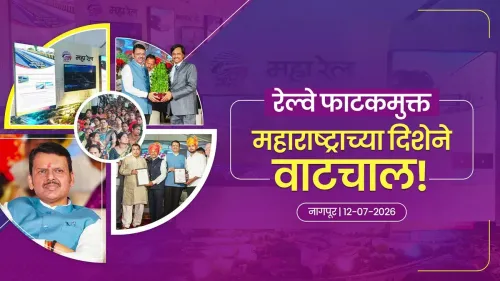
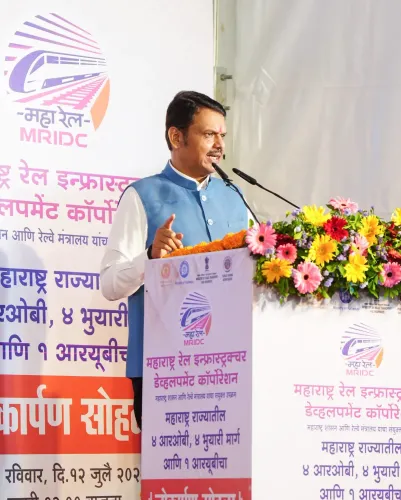
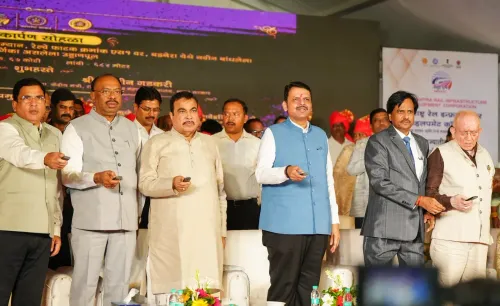
Maharashtra Chief Minister Devendra Fadnavis on Sunday, 12 July 2026 inaugurated a set of rail-road infrastructure projects in Nagpur — comprising a Road Over Bridge (ROB), an underpass (bhuyari marg), and a Road Under Bridge (RUB) — marking a significant push to modernise the city's transport network and generate large-scale employment.
Posting on X, Fadnavis wrote in Marathi and Hindi that development projects capable of transforming Maharashtra have been taken up, and that these will not only strengthen infrastructure but also create employment opportunities on a large scale. In his words: 'महाराष्ट्राचा कायापालट घडविणारे विकास प्रकल्प हाती घेतले असून त्यातून पायाभूत सुविधा अधिक सक्षम होण्यासोबतच मोठ्या प्रमाणात रोजगारनिर्मिती होणार आहे' ('Development projects that will transform Maharashtra have been taken up; these will strengthen infrastructure and create employment on a large scale'). The post tagged Maharashtra Rail Corporation (@Maharail_Corp), indicating the state agency's central role in executing these works.
Context
Nagpur, Maharashtra's winter capital and a key administrative hub in central India, has long been prioritised for rail-road integration upgrades. The inauguration of an ROB (Road Over Bridge), a bhuyari marg (underground passage), and an RUB (Road Under Bridge) in a single event signals a coordinated effort to eliminate level crossings and ease traffic bottlenecks at railway intersections across the city. Such crossings have historically been a source of accidents, delays, and congestion in urban Maharashtra.
Policy Backdrop
Maharashtra governments have pursued rail-road separation projects since the 2010s, with ROBs and RUBs constructed in phases across major cities to improve safety and logistics efficiency. The Maharashtra Rail Corporation was established as the dedicated state agency to plan and execute these projects, often in coordination with the central government's railway infrastructure programmes. Nagpur's central geographic location makes it a strategic node for both freight movement and urban commuting, giving these projects state-wide significance beyond the city itself.
Chief Minister Fadnavis, who represents Nagpur South West constituency, has consistently championed the city's development as a model for infrastructure-led growth. The inauguration aligns with the broader BJP-led state government's stated priority of using public works to stimulate employment in construction and allied industries.
Stakeholders and Impact
Urban commuters in Nagpur stand to benefit most immediately, with smoother traffic flow at rail crossings reducing daily travel time and improving road safety. The construction phase of these projects is expected to have generated employment for local workers in civil engineering, logistics, and allied trades — a point Fadnavis specifically highlighted in his post. Small businesses and logistics operators in the city's commercial zones near railway corridors are also likely to see reduced transit delays.
The Maharashtra Rail Corporation's involvement underscores the state's institutional commitment to sustaining this infrastructure pipeline beyond individual project inaugurations. Coordination between state road authorities and the rail network is critical to ensuring long-term maintenance and operational efficiency of the newly opened structures.
What's Next
The Fadnavis government is expected to roll out additional phases of rail infrastructure development across other Maharashtra districts, with budget provisions for such projects likely to feature in upcoming legislative sessions. Nagpur's progress as a pilot for integrated rail-road infrastructure could serve as a template for similar interventions in Pune, Nashik, and other rapidly urbanising centres in the state. Sustained investment in such projects will be a key metric by which the government's infrastructure promises are measured ahead of future electoral cycles.
Point of View
Fadnavis is framing public works as an economic multiplier — a narrative that serves both developmental and electoral purposes. Nagpur's repeated centrality in these announcements also reflects the Chief Minister's political investment in his home city as a showcase for the state's growth model. The broader pattern suggests the government intends to sustain this momentum by extending similar projects to other urban centres ahead of future legislative scrutiny.
NationPress
11 Oct 2026
Frequently Asked Questions
What projects did CM Fadnavis inaugurate in Nagpur on 12 July 2026?
Chief Minister Devendra Fadnavis inaugurated a Road Over Bridge (ROB), an underground passage (bhuyari marg), and a Road Under Bridge (RUB) in Nagpur, executed by the Maharashtra Rail Corporation.
What is the Maharashtra Rail Corporation?
The Maharashtra Rail Corporation is a state agency responsible for planning and executing rail infrastructure projects in Maharashtra, including bridges, underpasses, and level-crossing elimination works.
Why is Nagpur a priority for rail-road infrastructure projects?
Nagpur is Maharashtra's winter capital and a central geographic hub for freight and urban commuting, making it a strategic node for rail-road integration and congestion reduction.
How do ROB and RUB projects benefit commuters?
Road Over Bridges and Road Under Bridges eliminate level crossings, reducing traffic delays, improving road safety, and cutting accident risks at railway intersections in urban areas.
Will these Nagpur infrastructure projects create jobs?
Chief Minister Fadnavis stated that the development projects will generate employment opportunities on a large scale, particularly in construction and allied sectors during and after the project phase.