CM Fadnavis, Gadkari inaugurate 9 rail structures in Nagpur
Synopsis
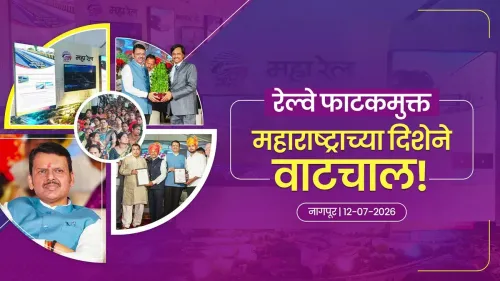
Chief Minister Devendra Fadnavis and Union Minister Nitin Gadkari inaugurated 9 rail-road separation structures in Nagpur on 12 July 2026 and unveiled a state-approved plan to build 145 flyovers across Maharashtra through Maharail within three years, as part of a drive to make the state level-crossing-free.
Key Takeaways
9 structures inaugurated in Nagpur: 4 Road Over Bridges , 4 underpasses , and 1 Road Under Bridge , jointly by CM Fadnavis and Union Minister Gadkari.
The Mahayuti government has approved a blueprint for 145 new flyovers — 65 at railway level crossings and 80 at other locations — to be built through Maharail.
All 145 flyovers are targeted for completion within 3 years , with support from the Union Ministries of Railways and Road Transport.
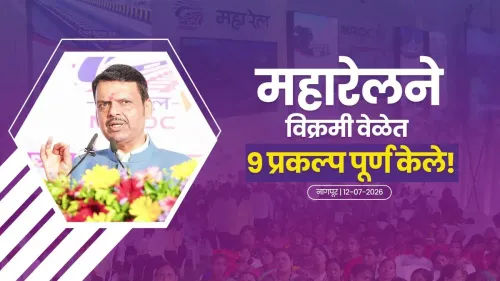
Maharail , the state-central joint-venture SPV, is the executing agency and has already delivered critical projects in Mumbai and Nagpur.
CM Fadnavis cited Nagpur's transformation over the past decade as a model for the broader Vidarbha and Maharashtra development push.
The project is expected to generate large-scale employment alongside improving road and rail safety across Maharashtra.
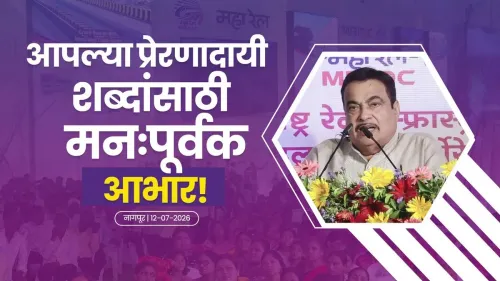
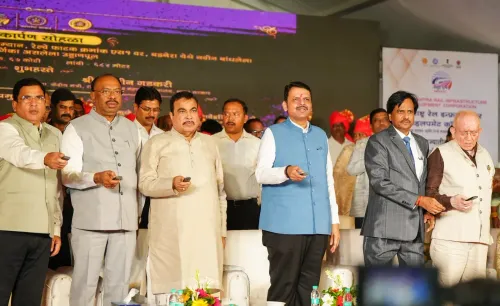
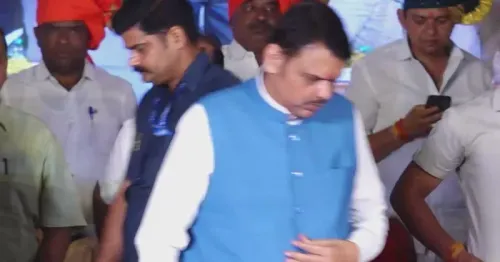
The Chief Minister's Office of Maharashtra announced on Sunday, 12 July 2026 that Chief Minister Devendra Fadnavis and Union Minister Nitin Gadkari jointly inaugurated nine rail-road separation structures in Nagpur — comprising 4 Road Over Bridges (ROBs), 4 underpasses (subways), and 1 Road Under Bridge (RUB) — executed under the aegis of the Maharashtra Rail Infrastructure Development Corporation (Maharail), the Maharashtra government, and the Union Ministry of Railways.
Context
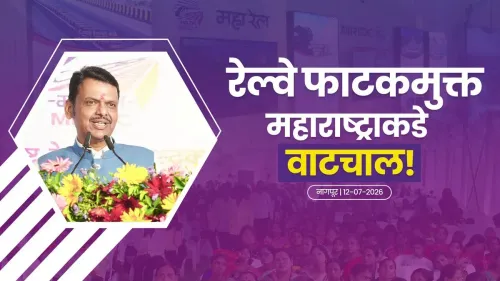
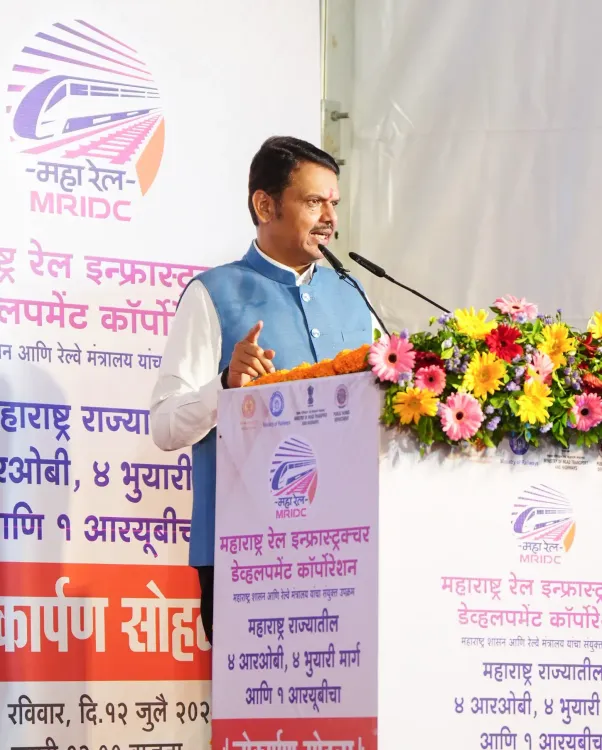
The inauguration was held at a joint event in Nagpur where CM Fadnavis declared that the Mahayuti government is committed to making Maharashtra free of railway level crossings. The Chief Minister stated, 'राज्यातील रेल्वेशी संबंधित प्रकल्प पूर्ण करण्यासाठी महारेलची स्थापना करण्यात आली आहे' ('Maharail was established to complete railway-related projects in the state'), adding that the corporation has successfully delivered several challenging projects using new technologies at cost-effective rates.
Fadnavis also noted that Mumbai has seen several critical works completed by Maharail within stipulated timelines, underscoring the corporation's execution capacity across the state.
Policy Backdrop
Maharail was formed as a joint-venture special purpose vehicle — broadly around 2018–19 — to channel state and central resources into railway infrastructure that neither government could efficiently execute alone. The corporation operates at the intersection of the Union Ministry of Railways and the Maharashtra government, making it a model for state-level rail project delivery.
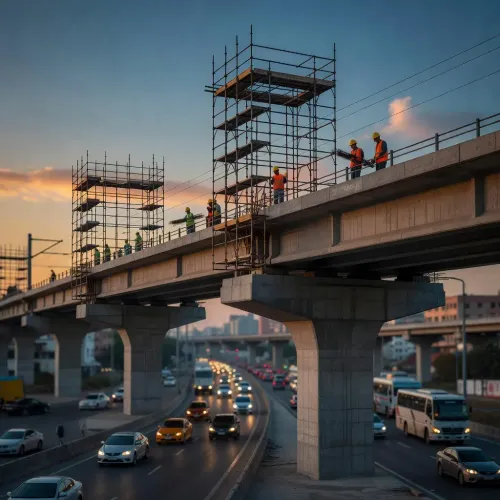
The Mahayuti government has now approved a blueprint for 145 new flyovers across Maharashtra: 65 at existing railway level crossings and 80 additional flyovers at other congestion points. CM Fadnavis stated that all 145 flyovers will be completed within 3 years through Maharail, with support from both the Union Ministry of Railways and the Union Ministry of Road Transport and Highways.
This initiative builds on earlier state-central agreements for elimination of unmanned level crossings in Maharashtra, a process that gained momentum between 2014 and 2019 and has since been extended into a broader rail-road separation programme.
Stakeholders and Impact
Road users and rail passengers across Maharashtra stand to benefit directly from the elimination of level crossings, which are a leading cause of road fatalities at rail intersections. Nagpur, the state's winter capital, has seen rapid urban development over the past decade and is increasingly cited as one of India's modern cities — a transformation Fadnavis attributed to sustained infrastructure investment in the Vidarbha region.
The event was attended by Minister Chandrasekhar Bawankule, Minister of State Adv. Ashish Jaiswal, MLA Krishna Khopde, MLA Charansingh Thakur, Nagpur Mayor Neeta Thakre, and Standing Committee Chairperson Shivani Dani-Wakhre, signalling broad political and civic alignment behind the project.
CM Fadnavis also highlighted large-scale employment generation as a direct outcome, stating that once these projects are complete, they will not only accelerate the state's development but also create significant job opportunities.
What's Next
With state government approval now extended to the 145-flyover blueprint, Maharail is expected to begin procurement and construction sequencing for the remaining structures. The 3-year completion target will require sustained budgetary support from both the state and central governments, and any new memoranda of understanding between Maharail and the Railway Ministry in upcoming budget sessions will be closely watched.
Broader ambitions for Nagpur, Vidarbha, and all of Maharashtra — framed by CM Fadnavis as a 'complete transformation' — suggest that the rail-road separation programme is one pillar of a larger regional development push that will define the Mahayuti government's infrastructure legacy.
Point of View
Particularly in Vidarbha — a region where development gaps have historically fuelled electoral discontent. By anchoring the event around both CM Fadnavis and Union Minister Gadkari, the ruling alliance is projecting seamless state-centre coordination as a governance dividend. The 145-flyover blueprint, if executed within the three-year window, would represent one of the most ambitious rail-road separation programmes any Indian state has undertaken. However, the credibility of the timeline will depend on land acquisition pace, budgetary releases, and Maharail's capacity to scale simultaneously across multiple districts.
NationPress
11 Oct 2026
Frequently Asked Questions
What was inaugurated by CM Fadnavis and Nitin Gadkari in Nagpur?
CM Devendra Fadnavis and Union Minister Nitin Gadkari inaugurated 9 rail-road separation structures in Nagpur: 4 Road Over Bridges (ROBs), 4 underpasses (subways), and 1 Road Under Bridge (RUB), built through Maharail in partnership with the Maharashtra government and the Union Ministry of Railways.
What is the plan for 145 flyovers in Maharashtra?
The Maharashtra government has approved a blueprint for 145 new flyovers — 65 at existing railway level crossings and 80 at other locations — to be constructed by Maharail within 3 years, as part of a drive to make Maharashtra free of railway level crossings.
What is Maharail and what does it do?
Maharail, or the Maharashtra Rail Infrastructure Development Corporation, is a joint-venture special purpose vehicle formed by the Maharashtra government and the Union Ministry of Railways to plan and execute railway infrastructure projects in the state, including ROBs, underpasses, and related works.
How is Maharashtra planning to eliminate railway level crossings?
Maharashtra's Mahayuti government is working with the Union Ministries of Railways and Road Transport to replace all remaining level crossings with flyovers or underpasses through Maharail, with 65 of the 145 planned flyovers specifically targeting existing level-crossing locations.
What is the significance of Nagpur in Maharashtra's infrastructure push?
Nagpur, Maharashtra's winter capital, has undergone rapid urban development over the past decade and is the focal point of the state's Vidarbha infrastructure drive. CM Fadnavis cited the city's transformation as a model for wider state development and announced ambitious projects for Nagpur, Vidarbha, and all of Maharashtra.