CM Hemant Soren Orders Monsoon Road Repairs in Jharkhand
Synopsis
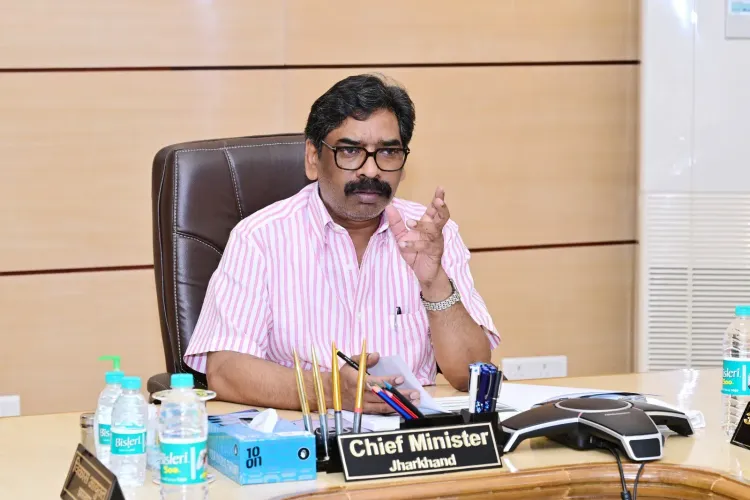
Chief Minister Hemant Soren on 15 July 2026 directed Jharkhand officials to urgently repair potholes, fix drainage, and widen narrow roads to curb monsoon-season accidents. The public directive puts the state PWD and district administrations on notice ahead of peak rainfall months.
Key Takeaways
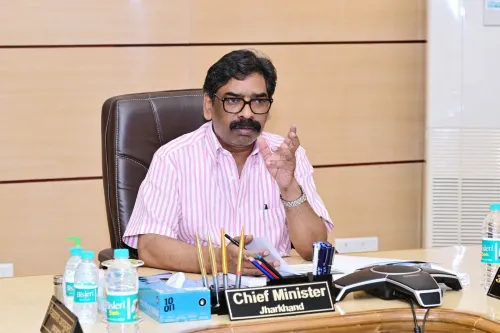
The Chief Minister's Office of Jharkhand shared the directive on 15 July 2026 , attributing it directly to CM Hemant Soren .
CM Soren called for pothole repair, improved drainage, and better road quality to reduce accident risk during the monsoon season.
He also ordered the widening and strengthening of narrow roads to make traffic safer and more efficient.
The Jharkhand PWD is the primary agency responsible for implementing the directive across state roads.
Central funding under PMGSY has expanded rural road coverage in Jharkhand, but monsoon maintenance remains a recurring challenge.
Compliance will be tracked through tender activity, budget releases, and state accident data over the coming months.
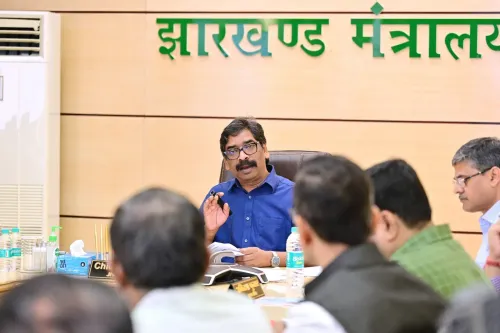
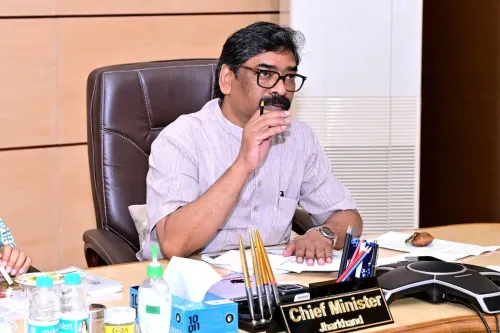
The Chief Minister's Office of Jharkhand, citing the heightened risk of road accidents during the monsoon season, on Wednesday, 15 July 2026, shared a directive from Chief Minister Hemant Soren calling for urgent attention to pothole repair, drainage improvement, and overall road quality across the state.
In the post, CM Soren stated: 'वर्षा ऋतु में सड़कों की स्थिति बिगड़ने से दुर्घटनाओं की आशंका बढ़ जाती है' ('During the rainy season, deteriorating road conditions increase the likelihood of accidents'). He directed officials to focus on pothole filling, drainage systems, and road quality, and further instructed that narrow roads be widened and strengthened to make traffic 'safe and smooth.'
Context
Jharkhand receives heavy seasonal rainfall that routinely worsens road surfaces, particularly on rural and semi-urban stretches that carry both commuter and heavy mining traffic. The state's hilly terrain and dense forest cover make drainage management a persistent challenge. Accidents linked to waterlogged and potholed roads tend to spike between June and September each year, making pre-monsoon and mid-monsoon administrative advisories a standard feature of governance in the state. CM Soren's directive specifically flags two priorities: immediate maintenance — pothole repair and drainage — and medium-term structural improvement through the widening and strengthening of narrow roads. The instruction, shared publicly through the official CMO account, signals that district administrations and the state's public works machinery are being put on notice.Policy Backdrop
The Jharkhand Public Works Department (PWD) is the nodal agency for road construction and maintenance across the state. Seasonal instructions on monsoon preparedness have been a feature of state administration for well over a decade, though follow-through on ground-level repair has varied by district and budgetary cycle. At the central level, the Pradhan Mantri Gram Sadak Yojana (PMGSY), launched in 2000, has channelled funds into all-weather rural road construction across Jharkhand, significantly expanding the rural network. However, maintenance of roads after construction — especially during monsoon stress — remains a shared responsibility between state and district authorities. CM Soren's directive aligns with this long-standing policy concern, pushing the focus from construction to upkeep and safety.Stakeholders and Impact
The directive has direct implications for rural commuters, daily-wage workers, and transport operators who depend on state roads for movement of people and goods. In a state where a significant share of the population lives in tribal and forested districts with limited road alternatives, even short stretches of damaged road can isolate communities or raise the cost of transportation. The widening and strengthening of narrow roads, if executed, would benefit heavy vehicles that service Jharkhand's mining and industrial belt, reducing both accident risk and vehicle wear. Road contractors and local government bodies at the block and district level are the primary implementing agencies who will be expected to act on the CM's instructions.What's Next
Attention will now turn to whether the Jharkhand PWD issues formal tender notices or releases earmarked funds for 2026-27 road repair and widening work in response to the directive. State-level accident data for the monsoon months will serve as a practical measure of on-ground compliance. The CM's public communication of the order adds political accountability, making departmental inaction more visible ahead of the peak monsoon period.Point of View
Through the official CMO channel, to create a paper trail of accountability for district officials. It fits a broader pattern in Jharkhand governance where infrastructure instructions are increasingly communicated via social media to bypass bureaucratic lag. The explicit mention of road widening alongside routine pothole repair suggests the CM is framing this as both an immediate safety measure and a longer-term connectivity agenda. Whether the directive translates into measurable action will depend on PWD budget releases and district-level execution, which have historically been the weak link in Jharkhand's road maintenance cycle.
NationPress
14 Oct 2026
Frequently Asked Questions
Why did CM Hemant Soren issue a road repair directive in July 2026?
CM Soren issued the directive because monsoon rainfall worsens road conditions in Jharkhand, increasing the risk of accidents. He called on officials to prioritise pothole repair, drainage improvement, and road widening during the rainy season.
Which department is responsible for repairing roads in Jharkhand?
The Jharkhand Public Works Department (PWD) is the nodal state agency for road construction and maintenance, including monsoon repair work across state highways and rural roads.
What is PMGSY and how does it relate to Jharkhand roads?
Pradhan Mantri Gram Sadak Yojana (PMGSY) is a central government scheme launched in 2000 to build all-weather rural roads. Jharkhand has received significant PMGSY funding, though ongoing maintenance during the monsoon remains a state responsibility.
What specific actions did CM Soren order for Jharkhand roads?
CM Soren directed officials to fill potholes, improve drainage systems, enhance overall road quality, and widen and strengthen narrow roads to make traffic safer and more efficient.
How does Jharkhand's terrain affect road quality during monsoon?
Jharkhand's hilly terrain, heavy seasonal rainfall, and mining-related heavy vehicle traffic combine to accelerate road deterioration during the monsoon, making pothole formation and drainage failures especially common between June and September.