CM Hemant Soren Orders Road Dept to Fix Projects in 2 Months

Synopsis
Chief Minister Hemant Soren reviewed the Jharkhand Road Construction Department on 15 July 2026, ordering geo-tagging of all projects, a two-month deadline for key Ranchi works, swift action on public complaints, and departmental proceedings against officials who miss timelines.
Key Takeaways
CM Hemant Soren chaired a review of the Path Nirman Vibhag on 15 July 2026 and issued binding directives on project timelines and quality.
All under-construction and completed projects must be entered into an updated database with mandatory geo-tagging for real-time monitoring of progress, cost, and quality.
Key pending road and flyover projects in Ranchi and other major corridors must be completed within two months .
The department has been directed to act swiftly on complaints about roads, potholes, and waterlogging received via social media, print, and electronic media .
Pothole repair, improved drainage, road quality upgrades, and widening of narrow stretches have been designated the highest monsoon-season priority .
Officials and agencies that miss prescribed deadlines will face departmental action .
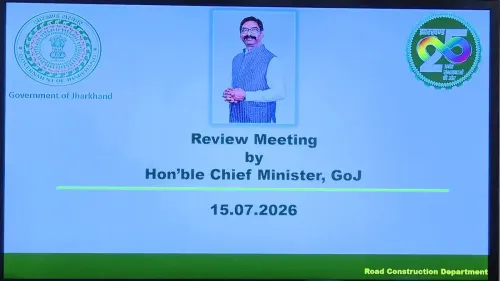
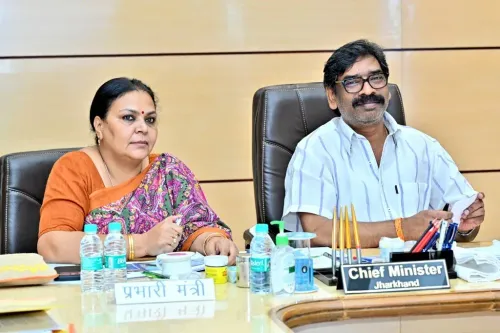
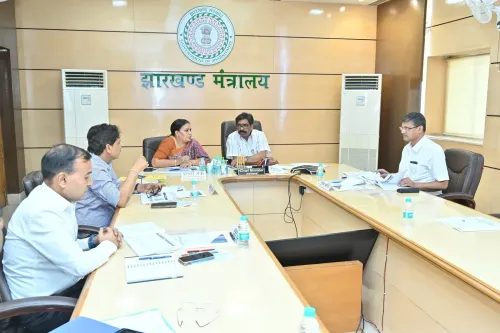
Jharkhand Chief Minister Hemant Soren on Wednesday, 15 July 2026, reviewed the functioning of the state's Path Nirman Vibhag (Road Construction Department) and issued firm directives to officials to complete all pending road, bridge, culvert, and flyover projects within fixed deadlines and to the highest quality standards. The Chief Minister warned that delays and negligence at any level would no longer be tolerated, and that officials and agencies failing to meet timelines would face departmental action.
Context
Posting on X, CM Soren stated — 'वर्षों से लंबित परियोजनाओं में अनावश्यक देरी और लापरवाही अब किसी भी स्तर पर स्वीकार्य नहीं होगी' ('Unnecessary delays and negligence in projects pending for years will no longer be acceptable at any level'). He directed the department to prepare an updated database of all under-construction and completed projects and to make geo-tagging of each project mandatory. The move is aimed at enabling effective monitoring of progress, cost, quality, and timelines across the state's infrastructure portfolio.
The review comes as Jharkhand enters the peak monsoon season, when road damage and waterlogging intensify pressure on the state's road network. CM Soren specifically called for pothole repair, improved drainage, road quality upgrades, and widening of narrow stretches to be treated as the highest priority in the current season.
Policy Backdrop
The Path Nirman Vibhag is the nodal agency in Jharkhand responsible for constructing and maintaining roads, bridges, flyovers, and allied infrastructure across the state. Jharkhand's hilly terrain and heavy annual rainfall have historically contributed to project delays and accelerated road deterioration, making monsoon-period maintenance a recurring administrative challenge for successive governments.
State governments across India have increasingly adopted digital tools — geo-tagging, centralised project databases, and real-time dashboards — to improve accountability in public works. CM Soren's directive aligns with this broader national trend, mandating that every project's progress, cost, and quality be trackable in real time. The emphasis on transparency and regular monitoring mirrors similar frameworks adopted in other eastern and central Indian states.
Stakeholders and Impact
The directives directly affect commuters and rural residents across Jharkhand, many of whom depend on state roads for daily mobility and access to markets and healthcare. Construction agencies and departmental officials have been put on notice, with the Chief Minister making explicit that departmental action will follow any breach of the stipulated timelines.
CM Soren also directed the department to act swiftly on complaints received through social media, print, and electronic media regarding road quality, potholes, and waterlogging. This grievance-response mandate signals an intent to use citizen feedback as a real-time quality-control mechanism alongside the proposed geo-tagged database.
What's Next
The most immediate benchmark is the two-month deadline set for completing key pending road and flyover projects in the state capital Ranchi and other major corridors. The establishment of a geo-tagged project database will be the first operational test of the department's readiness to comply with the new accountability framework.
Any failure to meet the prescribed timelines is expected to trigger departmental proceedings against the responsible officials and agencies, making the next two months a critical window for the Path Nirman Vibhag. Observers will watch whether the monsoon season's logistical constraints affect the government's ability to enforce its own deadlines — and whether the grievance-redressal mechanism for media-reported complaints is activated in a measurable way.
Point of View
If implemented, would give the Jharkhand government a defensible public record of project status, useful both for governance and for political optics ahead of future electoral cycles. The two-month window for Ranchi projects is tight given monsoon logistics, and the real test will be whether disciplinary proceedings are actually initiated when deadlines slip. The grievance-redressal directive linking social media complaints to departmental action is a notable escalation that could either build public trust or expose the department to a flood of unmanageable inputs.
NationPress
14 Oct 2026
Frequently Asked Questions
What did CM Hemant Soren order the Road Construction Department to do?
CM Soren directed the Path Nirman Vibhag to complete all pending road, bridge, culvert, and flyover projects within fixed deadlines, prepare a geo-tagged database of all projects, prioritise monsoon repairs, and act swiftly on public complaints — with departmental action threatened against officials who miss timelines.
What is the deadline set for Ranchi road and flyover projects?
CM Soren set a two-month deadline for completing key pending road and flyover projects in the state capital Ranchi and other major corridors across Jharkhand.
What is geo-tagging of road projects and why is Jharkhand making it mandatory?
Geo-tagging involves recording the GPS coordinates of a project site and linking them to real-time data on progress, cost, and quality. CM Soren has made it mandatory for all Jharkhand road projects so that the government and public can track each project's status transparently.
What action will be taken if Jharkhand road projects miss their deadlines?
CM Soren has stated that officials and agencies responsible for projects that miss prescribed timelines will face departmental action .
How can citizens complain about bad roads or potholes in Jharkhand?
CM Soren directed the Path Nirman Vibhag to ensure swift action on complaints received through social media, print media, and electronic media regarding road quality, potholes, and waterlogging.