CM Hemant Soren Reviews Rural Works, Panchayati Raj Dept
Synopsis
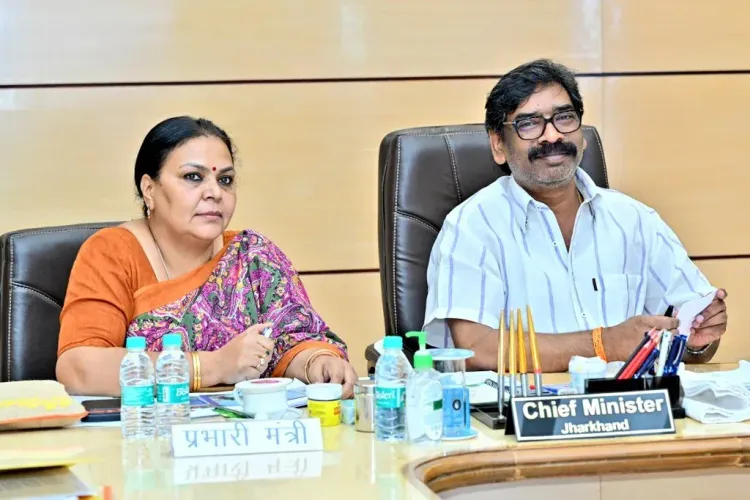
Jharkhand CM Hemant Soren on 27 May 2026 chaired a Rural Works and Panchayati Raj Department review, ordering faster resolution of rural road and panchayat project hurdles. He also spoke directly with a CSC worker and a local resident at the Barhait panchayat bhawan to assess ground realities.
Key Takeaways
CM Hemant Soren chaired a review of the Rural Works and Panchayati Raj Department on 27 May 2026 .
He directed officials to swiftly remove obstacles in rural road construction and panchayat-level works and accelerate progress.
Soren personally interacted with a CSC (Common Service Centre) worker at the Barhait panchayat bhawan in Sahibganj district .
He also spoke with a woman resident who had come to the panchayat bhawan for her own work, taking direct feedback on ground realities.
Rural road connectivity in Jharkhand is a key priority under the Pradhan Mantri Gram Sadak Yojana (PMGSY) , launched in 2000 .
District-level follow-up reviews and state budget allocations for rural works will be critical to translating the directives into outcomes.
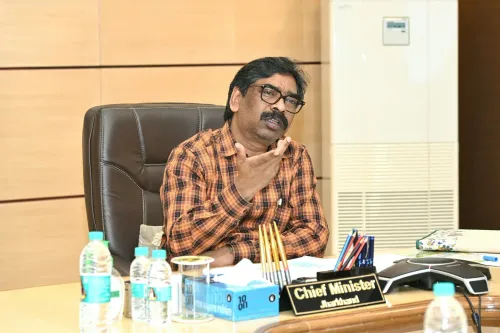
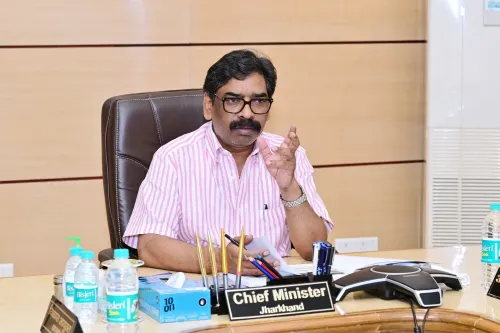
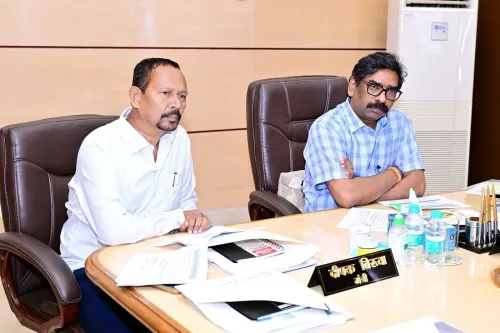
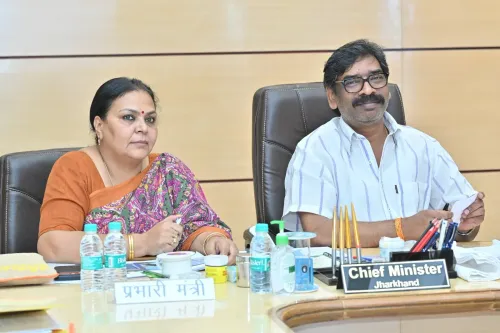
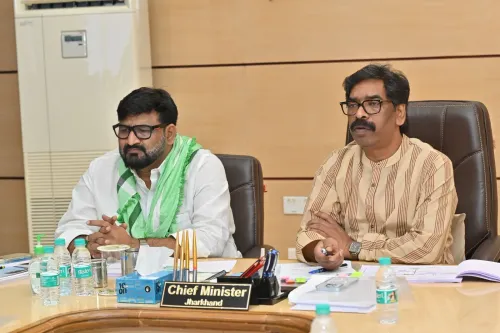
Jharkhand Chief Minister Hemant Soren on Wednesday, 27 May 2026 chaired a review meeting of the state's Rural Works and Panchayati Raj Department, directing officials to swiftly resolve bottlenecks in rural road construction and panchayat-level projects and accelerate on-ground progress.
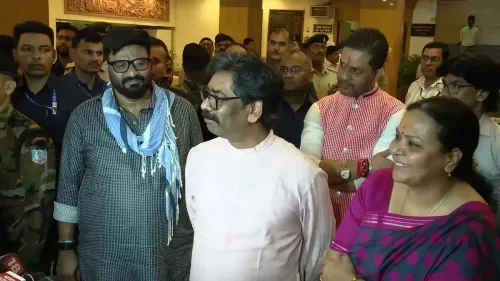
Posting on X, Soren said he issued instructions to 'quickly remove problems coming in the way of rural roads and works under panchayats and speed up the work.' He also used the meeting to take direct stock of ground realities, speaking with a Common Service Centre (CSC) worker at the Barhait panchayat bhawan and a woman resident who had come to the centre with her own work-related concerns.
Context
Barhait, located in Sahibganj district of Jharkhand, is a block where panchayat infrastructure and rural connectivity have been a focus of state administration. The Chief Minister's direct interaction with a CSC worker and a local resident at the panchayat bhawan signals an emphasis on citizen-facing accountability alongside the formal departmental review.
The Rural Works and Panchayati Raj Department oversees the construction and maintenance of rural roads — a significant share of which fall under centrally sponsored schemes — as well as the functioning of panchayat bodies across the state.
Policy Backdrop
Rural road connectivity in Jharkhand is substantially shaped by the Pradhan Mantri Gram Sadak Yojana (PMGSY), launched in 2000, which aims to provide all-weather road access to rural habitations. The state has a large tribal and forested geography that makes last-mile connectivity both critical and challenging.
The Common Service Centre scheme, introduced in 2006 under the National e-Governance Plan, is designed to deliver government services digitally at the panchayat level. CSC operators — known as Village Level Entrepreneurs — are often the primary interface between rural residents and state or central government schemes. The 73rd Constitutional Amendment of 1992 provided the constitutional basis for the three-tier Panchayati Raj system that underpins local governance in Jharkhand and across India.
Stakeholders and Impact
The immediate beneficiaries of accelerated rural road and panchayat works are Jharkhand's rural and tribal communities, who depend on connectivity for access to markets, health facilities, and schools. Delays in rural infrastructure projects directly affect livelihoods in districts like Sahibganj.
CSC operators stand to see their workload and service delivery capacity affected by administrative decisions taken at such reviews. The woman resident's interaction with CM Soren at the Barhait panchayat bhawan illustrates the kind of grassroots feedback that review meetings are intended — but do not always manage — to capture.
What's Next
The directions issued at Wednesday's meeting are expected to be followed by district-level reviews to track compliance on rural road and panchayat project timelines. Upcoming state budget discussions on rural works allocations will be a key indicator of how the administration intends to back these directives with resources.
Sustained momentum will depend on whether the identified bottlenecks — in procurement, contracting, or local implementation — are addressed through systemic fixes or remain subject to periodic review cycles without structural resolution.
Point of View
Rural connectivity and panchayat service delivery carry electoral weight in tribal districts, making such reviews politically as well as administratively significant. Whether the directives translate into measurable acceleration will hinge on district-level follow-through and resource commitments in the next budget cycle.
NationPress
19 Sept 2026
Frequently Asked Questions
What did Hemant Soren say at the Rural Works department review meeting?
CM Hemant Soren directed officials to quickly resolve problems affecting rural road construction and works under panchayats, and to speed up implementation. He also took direct feedback from a CSC worker and a local resident at the Barhait panchayat bhawan.
What is the Rural Works and Panchayati Raj Department in Jharkhand?
It is the state government department responsible for constructing and maintaining rural roads and overseeing the functioning of panchayat bodies and local governance infrastructure across Jharkhand.
What is a Common Service Centre (CSC) in a panchayat?
A Common Service Centre is a government-designated outlet at the panchayat level that provides digital access to government services and schemes. The CSC scheme was launched in 2006 under India's National e-Governance Plan.
Where is Barhait located in Jharkhand?
Barhait is a block in Sahibganj district in Jharkhand, where the panchayat bhawan referenced in CM Soren's review meeting is situated.
What is PMGSY and how does it relate to Jharkhand's rural roads?
The Pradhan Mantri Gram Sadak Yojana (PMGSY), launched in 2000, is a centrally sponsored scheme to provide all-weather road connectivity to rural habitations. A significant portion of Jharkhand's rural road construction falls under this programme.