CM Hemant Soren Reviews Panchayati Raj, Rural Works Progress
Synopsis
Chief Minister Hemant Soren on 27 May 2026 reviewed the work progress of Jharkhand's Panchayati Raj Department and Rural Works Department, underscoring the state government's focus on rural infrastructure delivery and decentralised governance across the state's predominantly rural and tribal landscape.
Key Takeaways
CM Hemant Soren chaired a formal progress review of the Panchayati Raj Department and the Rural Works Department on 27 May 2026 .
Minister Dipika Pandey Singh was tagged in the official communication, indicating her involvement in the rural portfolio.
Jharkhand has over 75 percent rural population and a large Scheduled Tribe presence, making these departments critical to welfare delivery.
The state's Panchayati Raj framework is governed by the Jharkhand Panchayati Raj Act 2001 and the 73rd Constitutional Amendment .
Such reviews are part of a periodic administrative cycle to monitor scheme absorption and physical targets at the block and gram panchayat level.
Next milestones include quarterly departmental reports and possible supplementary budget allocations in the Jharkhand Assembly .
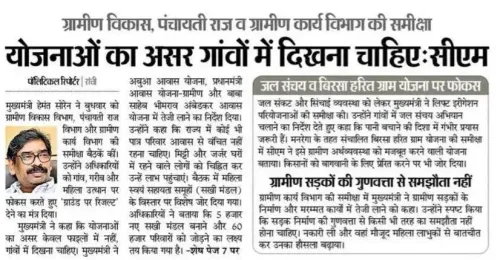
The Chief Minister's Office of Jharkhand announced on Wednesday, 27 May 2026, that Chief Minister Hemant Soren conducted a formal progress review of the Panchayati Raj Department and the Rural Works Department, signalling the state government's continued focus on decentralised rural governance and infrastructure delivery.
Context
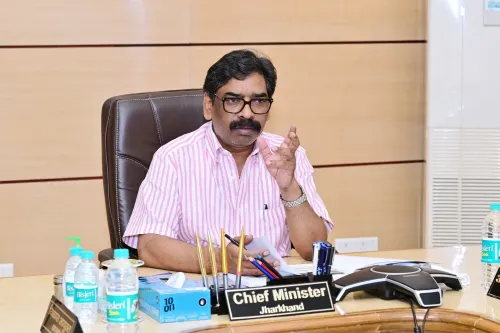
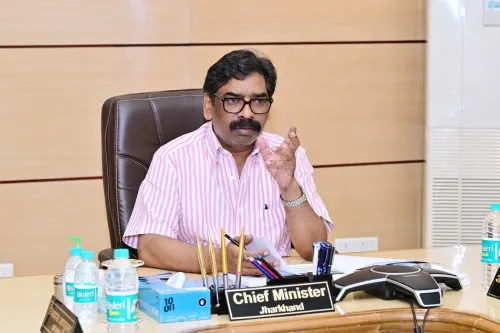
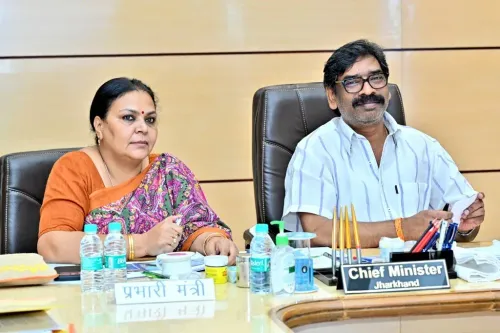
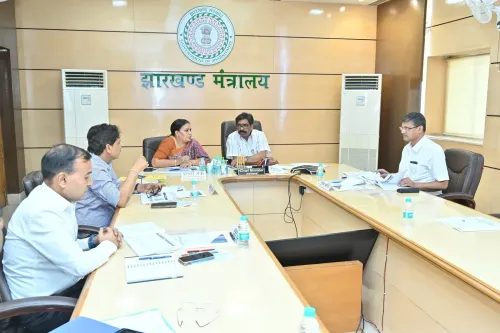
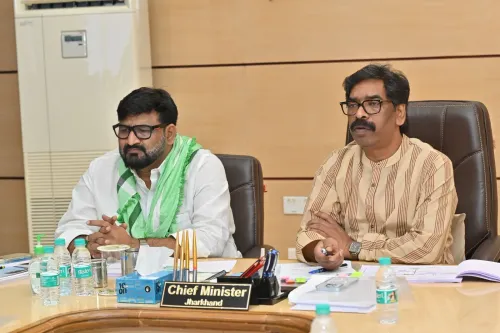
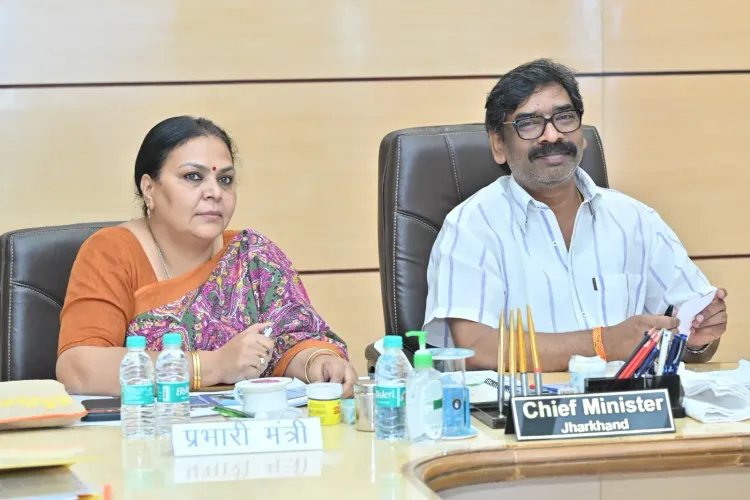
The official post from the Chief Minister's Office read: 'मुख्यमंत्री श्री Hemant Soren ने पंचायती राज विभाग एवं ग्रामीण कार्य विभाग के कार्य प्रगति की समीक्षा की' — translated: 'Chief Minister Hemant Soren reviewed the work progress of the Panchayati Raj Department and the Rural Works Department.' The review was accompanied by four images, suggesting an in-person meeting with senior departmental officials. Minister Dipika Pandey Singh, tagged in the post, is associated with rural portfolio responsibilities in the Soren cabinet.
Policy Backdrop
Jharkhand, formed in November 2000, has a population that is over 75 percent rural and includes a significant Scheduled Tribe presence, making grassroots governance a central policy concern. The state's institutional framework rests on the Jharkhand Panchayati Raj Act 2001, enacted in the wake of statehood and aligned with the 73rd Constitutional Amendment Act of 1992, which mandated a three-tier Panchayati Raj structure across India. The Rural Works Department works in tandem with Panchayati Raj institutions to plan and execute rural road connectivity, public buildings, and basic infrastructure across the state's villages and tribal habitations.
Scheme delivery through Panchayati Raj bodies has also been closely tied to the implementation of MGNREGA since 2006, with elected local bodies serving as frontline agencies for rural employment and asset creation. Progress reviews of this kind are a periodic feature of the Soren government's administrative calendar, aimed at tracking scheme absorption, expenditure, and physical targets at the block and gram panchayat level.
Stakeholders and Impact
The primary beneficiaries of the two departments under review are rural households, panchayat representatives, and tribal communities concentrated in Jharkhand's Schedule V areas. Effective functioning of the Panchayati Raj Department directly determines how quickly welfare schemes, infrastructure grants, and employment programmes reach the last mile. The Rural Works Department's road and infrastructure projects, meanwhile, affect market access, health connectivity, and educational mobility for millions of villagers.
Departmental reviews at the Chief Minister level typically result in course corrections on lagging targets, reallocation of resources to underperforming districts, and directives to expedite pending works before the close of the financial quarter.
What's Next
Observers will watch for the next quarterly progress reports from both departments and any supplementary budget allocations that may be tabled in the Jharkhand Assembly in the coming sessions. The review also sets the stage for potential announcements on new rural infrastructure projects or expanded Panchayati Raj capacity-building initiatives under the Soren administration's broader decentralisation agenda. Consistent oversight at the top executive level is seen as a key indicator of the government's commitment to translating constitutional mandates for local self-government into measurable outcomes on the ground.
Point of View
Visible oversight of grassroots departments carries both policy and electoral weight. The tagging of Minister Dipika Pandey Singh signals a clear accountability chain within the cabinet for rural outcomes. Nationally, this mirrors a broader pattern among eastern Indian states of using Chief Minister-level reviews as a tool to accelerate stalled rural schemes and demonstrate governance responsiveness.
NationPress
11 Oct 2026
Frequently Asked Questions
What did CM Hemant Soren review on 27 May 2026?
CM Hemant Soren reviewed the work progress of the Panchayati Raj Department and the Rural Works Department of Jharkhand on 27 May 2026.
What is the Panchayati Raj Department in Jharkhand?
The Panchayati Raj Department is the state agency responsible for strengthening elected local self-government institutions in rural Jharkhand, operating under the framework of the 73rd Constitutional Amendment and the Jharkhand Panchayati Raj Act 2001.
Who is Dipika Pandey Singh in the Jharkhand government?
Dipika Pandey Singh is a minister in the Hemant Soren cabinet associated with rural portfolio responsibilities, including Panchayati Raj-related functions.
Why does Jharkhand focus on Panchayati Raj and rural development?
Jharkhand has over 75 percent rural population and a significant Scheduled Tribe presence, making decentralised local governance and rural infrastructure central to welfare delivery and development in the state.
What is the Rural Works Department of Jharkhand?
The Rural Works Department is the state agency responsible for constructing and maintaining rural roads, public buildings, and basic infrastructure across Jharkhand's villages and tribal habitations.