SC to hear PILs on Ram Temple Trust financial irregularities today
Synopsis
The Supreme Court is set to hear PILs demanding a court-monitored probe into alleged financial irregularities at the Ayodhya Ram Temple Trust — a case that could set a landmark precedent for judicial oversight of temple finances at institutions of national importance, just over a year after the temple's consecration.
Key Takeaways
A Bench of CJI Surya Kant , Justice Joymalya Bagchi , and Justice V.
Mohana is scheduled to hear the PILs on Monday, 14 July 2025 .
Petitions filed by advocate Narendra Kumar Goswami , Ajay Kumar Rai , and RJD MP Sudhakar Singh allege financial mismanagement at the Shri Ram Janmabhoomi Teerth Kshetra Trust .
Goswami's plea seeks preservation of records, CCTV footage, and a sealed SIT status report, along with an independent forensic audit.
MP Sudhakar Singh has demanded transfer of the probe to the CBI under direct Supreme Court supervision and constitution of a retired-judges oversight panel.
An earlier urgent hearing request was declined; the matter was listed after the Supreme Court's summer vacation ended.
The Uttar Pradesh government had constituted a three-member SIT that reportedly found irregularities in donation handling at the temple.
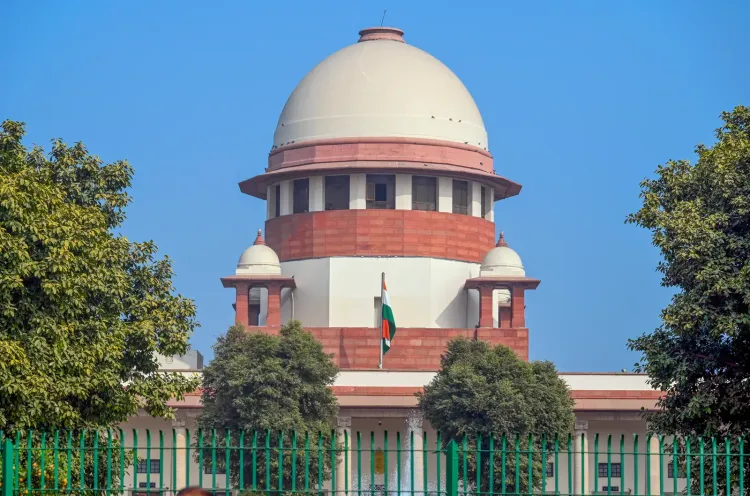
The Supreme Court of India is set to hear on Monday, 14 July 2025 a batch of public interest litigations (PILs) demanding a court-supervised probe into alleged financial irregularities in the management of donations and offerings at the Shri Ram Janmabhoomi Teerth Kshetra Trust in Ayodhya. The case has drawn national attention amid reports of mishandling of temple funds and an ongoing state-level investigation.
The Bench and the Petitions
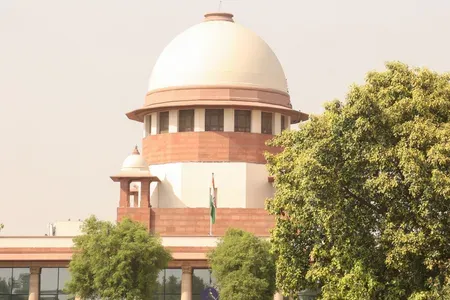
According to the causelist published on the apex court's official website, a Bench comprising Chief Justice of India (CJI) Surya Kant, Justice Joymalya Bagchi, and Justice V. Mohana is scheduled to take up the petitions. Three separate matters are listed: a writ petition filed by advocate Narendra Kumar Goswami in person, a criminal writ petition filed by Ajay Kumar Rai and another against the Trust, and a petition moved by Rashtriya Janata Dal (RJD) MP Sudhakar Singh.
What the Petitions Seek
Goswami's petition calls for immediate preservation of all records, CCTV footage, and digital logs relating to donations and offerings at the Ram Janmabhoomi temple. It also seeks a sealed status report of the ongoing Special Investigation Team (SIT) probe constituted by the Uttar Pradesh government, and an independent forensic audit of all donations and valuables received by the Trust since its inception.
The petition argues that offerings made to a deity in a public temple constitute 'sacred trust property' vesting in the deity as a juristic person, and that those handling such offerings are fiduciaries bound by duties of transparency, accountability, and preservation. It further urges the court to direct the formulation of minimum constitutional safeguards for transparent handling of public temple donations at temples of national importance.
MP Sudhakar Singh's petition goes further, seeking a transfer of the ongoing probe to the Central Bureau of Investigation (CBI) under direct Supreme Court monitoring. His petition additionally demands the appointment of a temporary court-monitored oversight committee of retired judicial officers and financial experts, restrictions on major financial decisions pending investigation, a comprehensive forensic audit, and public disclosure of audited financial statements and donation logs on the Trust's official website.
Background: Urgency Denied Earlier
The road to Monday's hearing was not straightforward. When Goswami's petition was first mentioned before a Bench of Justice M.M. Sundresh and Justice Sheel Nagu, an urgent listing was declined. The Bench questioned the urgency and directed that the matter be listed after the apex court reopened following the summer vacation. Goswami had pressed for immediate action, contending that the allegations raised were 'very serious'.
This comes amid the Uttar Pradesh government's constitution of a three-member SIT, which reportedly revealed irregularities, misappropriation, and mishandling of donations at the temple, according to the petitions. The cause of action, as stated in the pleas, arose directly from those public reports and the SIT's findings.
Why This Case Matters
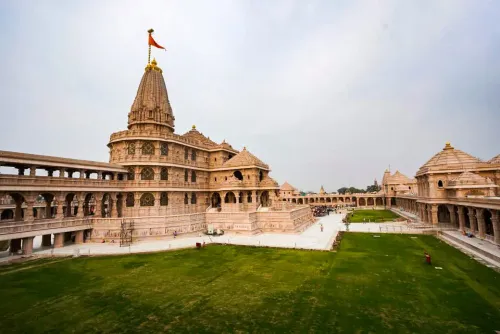
The Shri Ram Janmabhoomi Teerth Kshetra Trust oversees one of India's most prominent and heavily funded religious sites. The temple, consecrated in January 2024, receives donations from millions of devotees across the country. Allegations of financial mismanagement at such an institution carry significant legal, religious, and political weight. Notably, this is among the first major judicial challenges to the Trust's financial governance since the temple's inauguration.
The Supreme Court's decision on Monday — whether to admit the petitions, order the sought-after forensic audit, or refer the matter to a lower court — is expected to set the tone for how temple finances of national institutions are judicially scrutinised going forward.
Point of View
Rather than resolving the controversy, has amplified it by lending institutional credibility to the irregularity claims. If the court admits these petitions and orders a forensic audit, it could establish a binding precedent for transparency at all major public temples — a domain that has historically operated with minimal judicial scrutiny despite handling hundreds of crores in public donations annually.
NationPress
12 Oct 2026
Frequently Asked Questions
What are the PILs filed in the Supreme Court about the Ram Temple Trust?
The PILs seek a court-monitored investigation into alleged financial irregularities in the management of donations and offerings at the Shri Ram Janmabhoomi Teerth Kshetra Trust in Ayodhya. The petitions demand a forensic audit, preservation of records and CCTV footage, and greater transparency in the Trust's financial administration.
Who has filed petitions against the Ram Janmabhoomi Trust in the Supreme Court?
Three separate petitions have been filed: one by advocate Narendra Kumar Goswami, a criminal writ petition by Ajay Kumar Rai and another, and a petition by RJD MP Sudhakar Singh. All three challenge the financial governance of the Shri Ram Janmabhoomi Teerth Kshetra Trust.
What does RJD MP Sudhakar Singh's petition seek?
Sudhakar Singh's petition seeks a transfer of the ongoing probe from the Uttar Pradesh SIT to the CBI under direct Supreme Court monitoring. It also demands an oversight committee of retired judges and financial experts, restrictions on major financial decisions pending investigation, and public disclosure of audited accounts.
What is the UP government's SIT probe about?
The Uttar Pradesh government constituted a three-member Special Investigation Team (SIT) that reportedly investigated irregularities, misappropriation, and mishandling of donations at the Ram Janmabhoomi temple in Ayodhya. The petitioners cite the SIT's constitution and findings as the direct cause of action for their Supreme Court pleas.
Why was an urgent hearing on these PILs denied earlier?
When advocate Narendra Kumar Goswami first sought an urgent listing, the Bench of Justice M.M. Sundresh and Justice Sheel Nagu questioned the urgency and directed that the matter be listed after the Supreme Court reopened post its summer vacation. The case has now been scheduled for hearing on 14 July 2025.