CM Hemant Soren chairs transport, revenue dept review
Synopsis
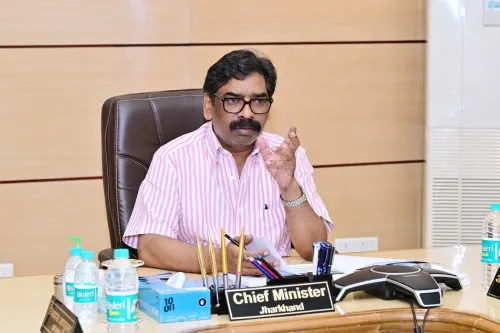
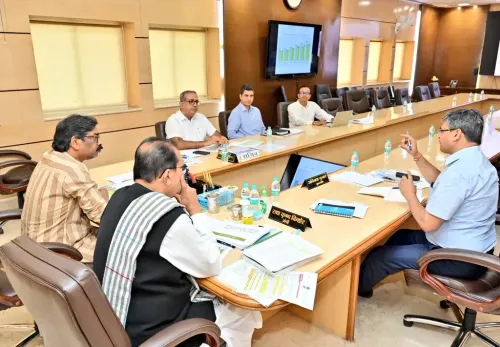
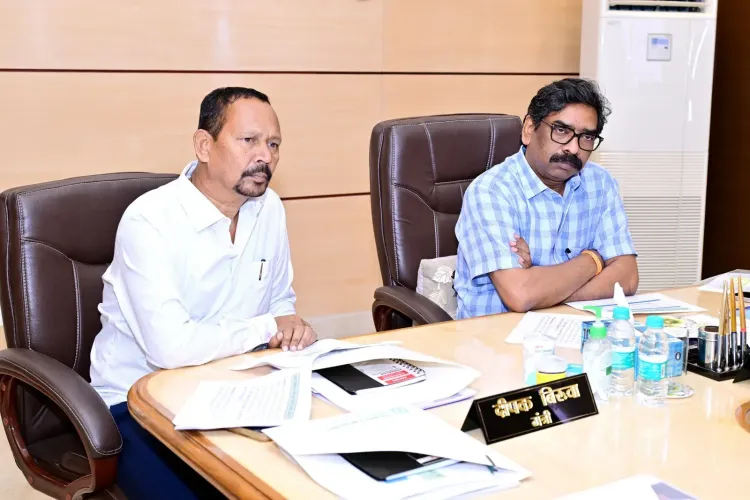
Chief Minister Hemant Soren chaired a review meeting of Jharkhand's Transport and Revenue, Registration and Land Protection departments on June 1, 2026, directing officials on departmental priorities. Minister Deepak Birua was also tagged in the official announcement.
Key Takeaways
CM Hemant Soren presided over a review meeting of two key Jharkhand departments on June 1, 2026 .
The meeting covered the Transport Department and the Revenue, Registration and Land Protection Department .
Soren issued directions to officials, though specific instructions have not been made public.
Minister Deepak Birua , linked to these portfolios, was tagged in the official CMO announcement.
Jharkhand has an ongoing focus on land record digitisation and revenue process reforms aligned with national programmes.
The review reflects the state government's use of high-level oversight meetings to monitor compliance and service delivery in a state with complex land and transport challenges.
The Chief Minister's Office of Jharkhand announced on Monday, June 1, 2026 that Chief Minister Hemant Soren chaired a review meeting of the Transport Department and the Revenue, Registration and Land Protection Department, issuing directions to officials on departmental performance and priorities.
Context
The CMO post, shared in Hindi, stated: 'Mukhyamantri Shri Hemant Soren ki adhyakshata mein Parivahan tatha Rajasva, Nibandhan evam Bhoomi Sanrakshan Vibhag ki samikshhatmak baithak sampann.' ('A review meeting of the Transport and Revenue, Registration and Land Protection Departments was held under the chairmanship of Chief Minister Shri Hemant Soren.') The post also tagged Deepak Birua, a Jharkhand minister associated with these portfolios, signalling his presence or direct involvement in the proceedings.
Such review meetings are a standard instrument of executive oversight in Indian state governments, allowing the Chief Minister to directly assess departmental targets, pending files, and compliance with policy mandates.
Policy Backdrop
Jharkhand has been engaged in digitising land records and streamlining revenue processes as part of its alignment with the national Digital India Land Records Modernisation Programme, an effort that dates to the 2010s. The state's complex land tenure history — shaped by tribal land rights, mineral extraction pressures, and a high incidence of land disputes — makes the Revenue and Land Protection Department a particularly sensitive administrative portfolio.
The Transport Department, meanwhile, carries significance for revenue generation through vehicle registration fees, permit enforcement, and road safety compliance across a largely rural and hilly state. Periodic high-level reviews are intended to keep collection targets and public service delivery on track.
Stakeholders and Impact
The primary stakeholders of decisions emerging from this meeting include revenue officials and land record administrators across Jharkhand's 24 districts, transport operators, vehicle owners, and the large population of landholders — including tribal communities whose land rights are protected under special state and central provisions. Any fresh directives on land record accuracy or transport compliance would have direct implications for these groups.
For ordinary citizens, improvements in revenue and registration processes can mean faster mutation of land records, reduced scope for disputes, and more transparent property transactions — issues of everyday consequence in a state where land is both livelihood and identity.
What's Next
The specific instructions issued by CM Soren to departmental officials have not been detailed in the public announcement. Follow-up actions — whether in the form of administrative orders, revised targets, or policy adjustments — are typically reflected in subsequent departmental circulars or taken up in state assembly sessions and budget documents. Observers of Jharkhand governance will watch for any concrete outcomes from this review in the weeks ahead, particularly around land record updates and transport sector enforcement.
Point of View
Encroachment disputes, and digitisation gaps are long-standing fault lines that any ruling dispensation must visibly address. Tagging Minister Deepak Birua in the official post is a deliberate act of accountability signalling, placing a named face on departmental outcomes. The broader pattern of such review meetings across Indian states suggests this is as much about political optics as administrative correction, but sustained follow-through on land record accuracy and transport enforcement would mark a meaningful departure from routine.
NationPress
21 Sept 2026
Frequently Asked Questions
What departments did CM Hemant Soren review on June 1 2026?
CM Hemant Soren chaired a review meeting of the Transport Department and the Revenue, Registration and Land Protection Department of Jharkhand on June 1, 2026.
Who is Deepak Birua in the Jharkhand government?
Deepak Birua is a Jharkhand minister associated with the transport and revenue portfolios in the state government, and was tagged in the official CMO post about the review meeting.
What is the Revenue, Registration and Land Protection Department in Jharkhand?
It is the state department responsible for land records, property registration, revenue collection, and the protection of land rights — including tribal land — across Jharkhand's 24 districts.
Why does Jharkhand hold high-level departmental review meetings?
Such meetings allow the Chief Minister to directly assess departmental targets, compliance, and service delivery, and are a standard tool of executive oversight in Indian state governments.
What is Jharkhand's land record digitisation programme?
Jharkhand has been digitising land records as part of its alignment with the national Digital India Land Records Modernisation Programme, an initiative running since the 2010s to reduce disputes and improve transparency.