Mandaviya Echoes Modi: India Fighting Poverty on Ground, Not in Slogans
Synopsis
Union Minister Mansukh Mandaviya amplified PM Modi's assertion that India is defeating poverty at the grassroots level today — a pointed contrast to the 'Garibi Hatao' slogan era that dominated past political campaigns.
Key Takeaways
Mansukh Mandaviya shared a quote from PM Narendra Modi on November 3, 2026 contrasting past poverty rhetoric with claimed present-day action.
Modi's statement directly echoes the critique of 'Garibi Hatao' , Indira Gandhi's landmark 1971 election slogan, though without naming it explicitly.
The post is part of a consistent BJP communication pattern where Cabinet ministers amplify the PM's social-development messaging on social media.
The credibility of the 'ground-level poverty defeat' claim will be tested by forthcoming NITI Aayog Multidimensional Poverty Index data and parliamentary budget debates.
No specific welfare scheme, statistic, or policy announcement was cited in the post itself.
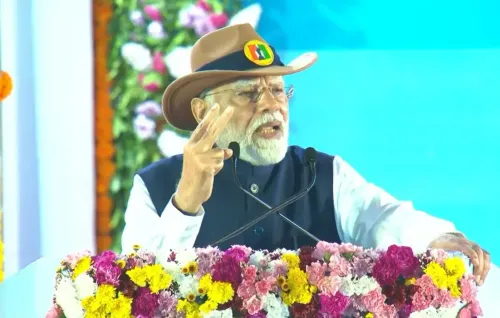
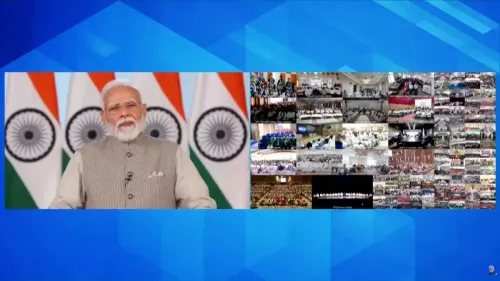
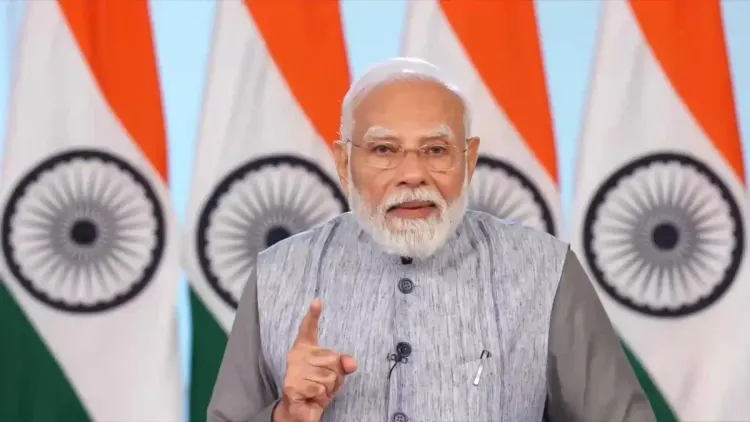
From election slogans to village-level delivery — Union Labour and Sports Minister Mansukh Mandaviya on Tuesday, November 3, 2026 amplified a pointed remark by Prime Minister Narendra Modi that draws a sharp line between decades of political rhetoric on poverty and what the government claims is measurable, ground-level change today.
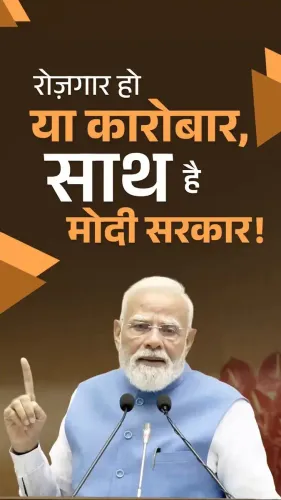
The quoted statement, shared by Mandaviya on X, reads: 'Pehle garibi se ladai sirf naaron mein hoti thi, aaj Bharat zamini star par garibi ko maat de raha hai!' — 'Earlier, the fight against poverty existed only in slogans; today India is defeating poverty at the grassroots level.'
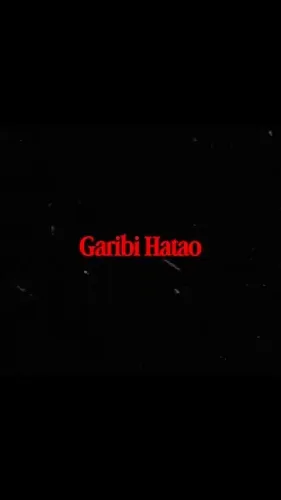
The Shadow of 'Garibi Hatao'
The target of that contrast is unmistakable. The slogan 'Garibi Hatao' — Eradicate Poverty — became one of the most famous political catchphrases in Indian electoral history when it anchored Indira Gandhi's campaign in the 1971 general election. It resonated powerfully with voters at the time, but critics across decades argued that the promise remained largely rhetorical, a mobilising phrase that outlasted any concrete policy outcomes attached to it.
By invoking that legacy — without naming it — Modi's formulation, as amplified by Mandaviya, positions the current administration as the executor rather than the announcer: the government that did the work, not just coined the words.
A Cabinet Relay of the PM's Message
The amplification itself is part of a recognisable pattern. Senior Cabinet ministers routinely pick up and broadcast the Prime Minister's statements on social media, turning a single message into a coordinated communication wave. For Mandaviya — who oversees both labour policy and sports — sharing a welfare-focused quote from Modi connects his ministerial portfolio to the broader social-development narrative the ruling party consistently promotes.
The framing aligns with periodic government communication cycles around economic and welfare metrics, typically timed around data releases, budget discussions, or NITI Aayog reports on multidimensional poverty. Whether tied to a specific new data point here is not established from the post alone.
What Comes Next: Numbers Will Judge the Claim
The real stress-test for this narrative lies in the data. Upcoming NITI Aayog Multidimensional Poverty Index reports and parliamentary debates on welfare scheme budgets will determine whether the 'ground-level defeat of poverty' holds up to scrutiny — or whether it, too, risks becoming the new slogan. The government's credibility on this claim rests entirely on the figures that follow.
Point of View
Then claim the mantle of delivery. By routing the message through a senior minister's social media, the BJP multiplies its reach while making a collective ownership statement — this is the whole government's achievement, not just the PM's talking point. The political risk is equal to the reward: bold claims about poverty eradication invite scrutiny from opposition benches and independent economists alike, and the next credible data release will either fortify or undermine the narrative. Watch the NITI Aayog's next poverty report as the real political reckoning.
NationPress
3 Nov 2026
Frequently Asked Questions
What did PM Modi say about poverty that Mandaviya shared?
PM Modi said that earlier the fight against poverty existed only in slogans, but today India is defeating poverty at the grassroots level. Minister Mandaviya quoted this on X on November 3, 2026.
What is 'Garibi Hatao' and why is it relevant here?
'Garibi Hatao' — meaning 'Eradicate Poverty' — was Indira Gandhi's famous 1971 election slogan. Modi's statement is widely read as a contrast to that era of political rhetoric, positioning the current government as one that acts rather than slogans.
Which schemes has India used to reduce poverty in recent years?
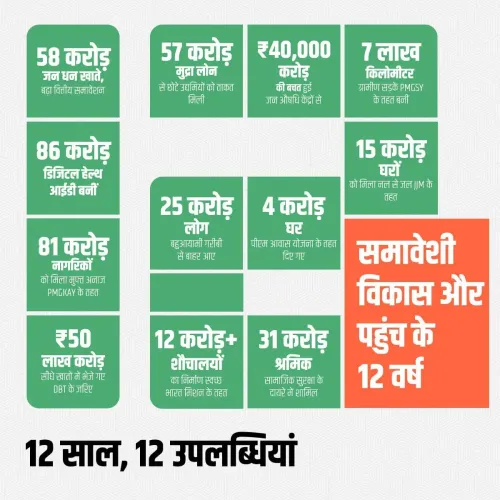
The government has cited schemes such as PM-KISAN, PM Awas Yojana, Ujjwala, Jan Dhan, and Ayushman Bharat as ground-level poverty-reduction tools. The post does not name a specific scheme.
How is India's poverty measured officially?
NITI Aayog publishes a Multidimensional Poverty Index tracking deprivations in health, education, and living standards across Indian states. Its periodic reports are the primary official benchmark for poverty progress.
Why do Cabinet ministers amplify PM Modi's social media posts?
It is a coordinated BJP communication strategy. Ministers sharing the PM's statements extends reach, signals Cabinet alignment, and ensures the message circulates across multiple political and public audiences simultaneously.