Rijiju fires back at critics with sharp hypocrisy charge
Synopsis
Union Minister Kiren Rijiju fired a sharp salvo on X, comparing critics who invoke secularism and the Constitution to fundamentalists and separatists, and accusing them of 'pushing agendas of India's enemies' while charging others with foreign support.
Key Takeaways
Kiren Rijiju posted a pointed political rebuke on 3 November 2026 without naming specific targets.
He used a three-way comparison — Islamic fundamentalists citing secularism, separatists holding the Tricolour, anarchists brandishing the Constitution — to argue critics are self-ridiculing.
The central charge: those 'pushing agendas of India's enemies' are projecting when they accuse others of foreign support.
Rijiju's dual portfolio — Parliamentary Affairs and Minority Affairs — gives the secularism reference unusual political weight.
The post coincides with a period of anticipated heightened parliamentary contention ahead of the winter session.
The unnamed target and attached images suggest a calculated, rather than impulsive, political statement.
A pointed three-way comparison — Islamic fundamentalists invoking secularism, separatists wrapping themselves in the Tricolour, anarchists brandishing the Constitution — landed in Indian political discourse on Tuesday, 3 November 2026, when Union Parliamentary Affairs and Minority Affairs Minister Kiren Rijiju posted a sharply worded rebuke on X directed at unnamed adversaries he accused of pushing 'agendas of India's enemies.'
Rijiju's post reads in full: 'It's same as islamic fundamentalists talking about secularism, separatists holding Indian flags and anarchists showing Constitution book. Pushing agendas of India's enemies yet accusing others of foreign support is self-ridiculing. Top level debates are done between matured people.' The final line — a pointed aside on the quality of political discourse — was as cutting as the comparison itself.
The three-mirror argument Rijiju deployed
The rhetorical device Rijiju reached for is a classical reductio: if a figure's stated values contradict their actions, citing those values becomes self-indicting rather than persuasive. He stacked three such images in quick succession — a fundamentalist preaching pluralism, a secessionist waving the national flag, a constitutional subverter quoting the Constitution. Each image is designed to make the target's invocation of democratic language look not just hollow but actively ironic. The final charge — that critics who 'push agendas of India's enemies' while simultaneously accusing others of receiving foreign support are engaging in projection — escalates the exchange into the territory of national-security rhetoric, a frame that carries significant political weight in the current climate.A long-running fault line in Indian political language
This is not the first time these particular fault lines have crackled. Since at least 2014, terms such as 'pseudo-secularism,' 'tukde-tukde gang,' and 'urban Naxals' have circulated in BJP political vocabulary to describe opponents the party accuses of weaponising liberal rhetoric against national interest. Opposition parties have countered with charges of majoritarian overreach and institutional subversion. Rijiju himself, as the minister who steers government business through Parliament and who manages relations with minority communities at the cabinet level, occupies an unusually sensitive position in this debate — his Minority Affairs portfolio makes the secularism comparison politically loaded in a way it would not be for most BJP legislators. The research background notes that such statements 'typically arise during periods of heightened parliamentary or public contention.' With the winter session of Parliament approaching, the timing signals that this exchange may be an opening move in a larger debate rather than a standalone remark.Who Rijiju was talking to — and who was listening
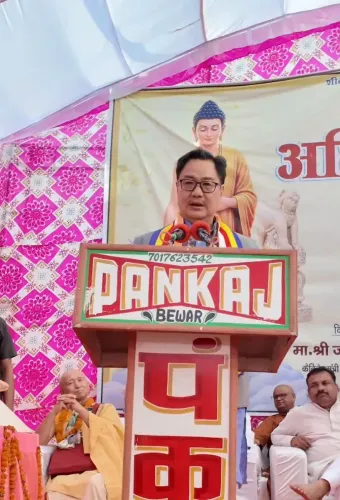
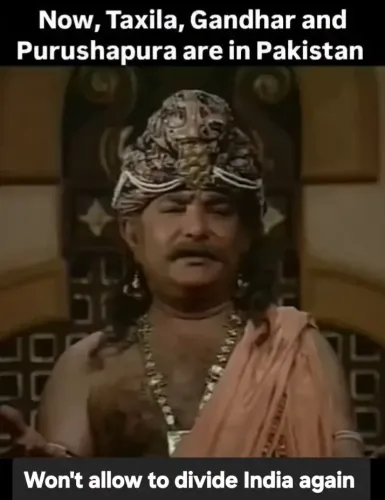
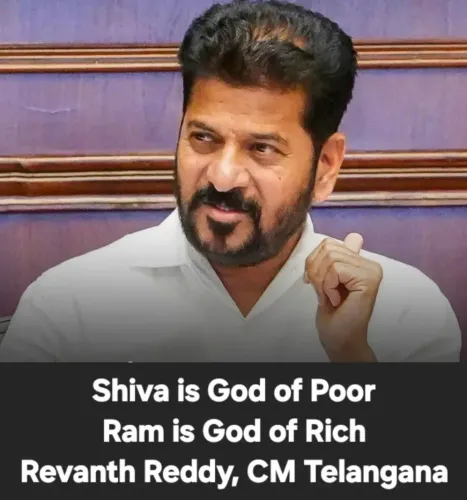
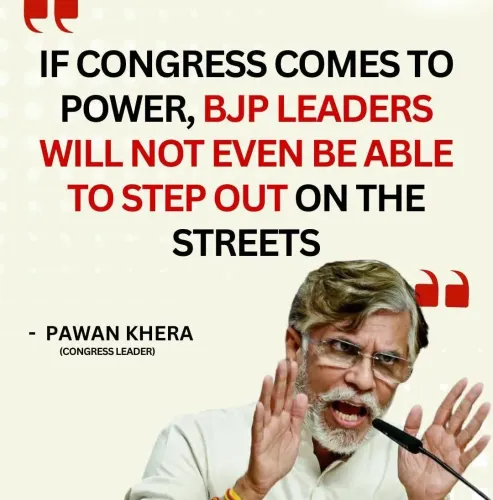
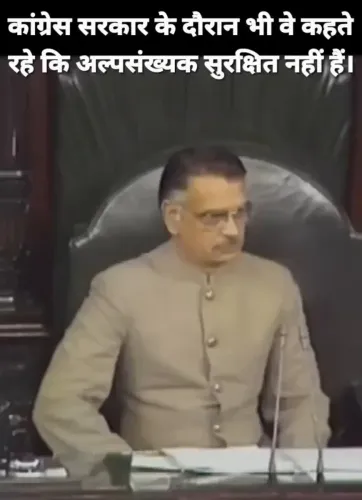
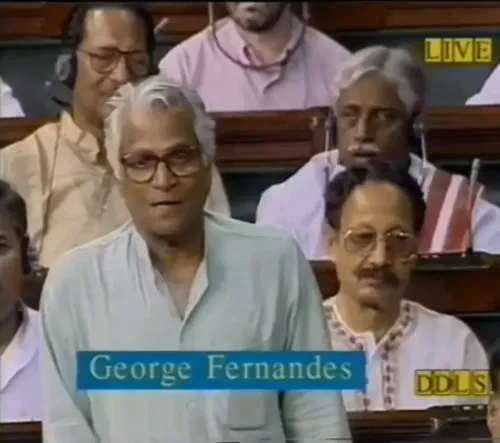
The post does not name its target, which is itself a rhetorical choice: the ambiguity widens the net while insulating the minister from a direct claim he cannot immediately substantiate. Opposition spokespersons and political commentators are likely to respond, and any such response risks walking into the 'matured people' trap Rijiju set in his closing line — to reply hotly is to confirm his framing, to stay silent is to cede the point. The two images attached to the post were not described in the available metadata, but their presence suggests Rijiju or his team curated visual reinforcement for the argument — a sign this was a considered statement, not an impulsive one. The winter session will be the real test of whether this stays a social-media skirmish or graduates into the floor of the House.Point of View
And let the target's own liberal vocabulary become the indictment. What is notable here is the specific mention of 'foreign support' — a charge that has legal and parliamentary resonance beyond mere insult, and one that opposition parties will need to answer carefully rather than emotionally. The closing line about 'matured people' is a trap as much as a taunt: any heated rebuttal validates the framing. As minister of both Parliamentary Affairs and Minority Affairs, Rijiju is signalling that the government intends to contest the opposition's ownership of constitutional and pluralist language ahead of the winter session — a strategic, not merely personal, move.
NationPress
3 Nov 2026
Frequently Asked Questions
What did Kiren Rijiju post on X on 3 November 2026?
Rijiju compared unnamed critics to Islamic fundamentalists citing secularism, separatists holding the Indian flag, and anarchists quoting the Constitution, accusing them of pushing 'agendas of India's enemies' while charging others with foreign support.
Who was Kiren Rijiju targeting in his post?
The post does not name any specific individual or party. The ambiguity appears deliberate, broadening the criticism while avoiding a directly verifiable claim.
What does 'pushing agendas of India's enemies' mean in this context?
It is a rhetorical charge — common in BJP political vocabulary since 2014 — implying that certain critics adopt positions that benefit adversarial foreign interests, often tied to debates on citizenship, regional autonomy, or national security policy.
What is Kiren Rijiju's ministerial role?
Kiren Rijiju is the Union Minister of Parliamentary Affairs and Minister of Minority Affairs, a senior BJP leader from Arunachal Pradesh .
Is there a connection between this statement and the Parliament winter session?
The timing is significant: such charged statements from the minister who manages government business in Parliament typically signal the themes the ruling party intends to press during upcoming parliamentary proceedings.