CM Hemant Soren Reviews Jharkhand Forest Dept Progress
Synopsis
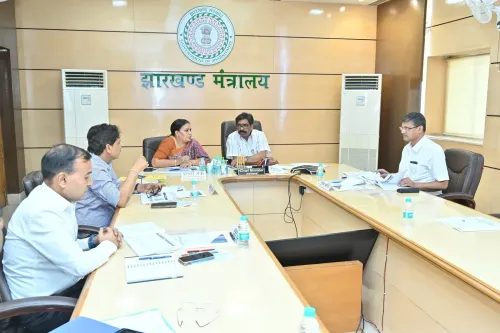
Chief Minister Hemant Soren reviewed the Jharkhand Forest Department's work progress on 20 July 2026, telling officials that the state's natural wealth, wildlife, and biodiversity are central to Jharkhand's identity and a top priority for his government.
Key Takeaways
CM Hemant Soren chaired a review of the Jharkhand Forest Department's work progress on 20 July 2026 .
He told officials that Jharkhand's identity is rooted in its natural wealth, wildlife, and rich biodiversity.
Conservation and enhancement of these resources were declared top priorities of the state government.
Jharkhand was formed in 2000 specifically to enable focused governance of its forests and tribal landscapes.
Forest-dependent and Scheduled Tribe communities are the primary stakeholders in the state's forest governance outcomes.
The review may signal forthcoming budgetary allocations or conservation scheme announcements in the next assembly session.
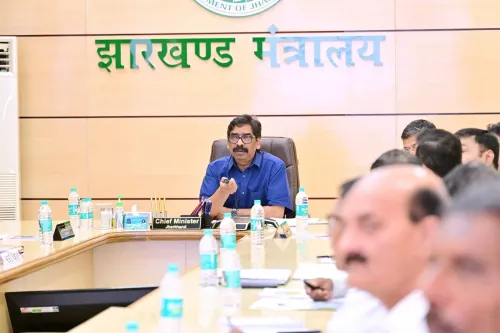
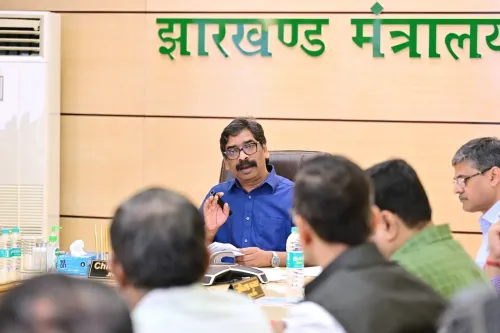
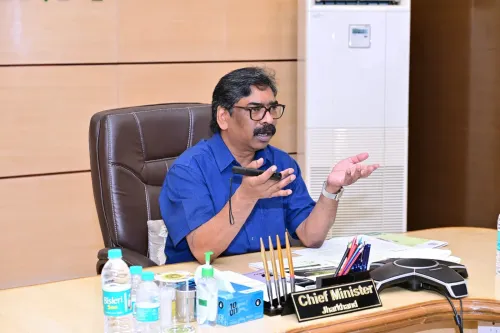
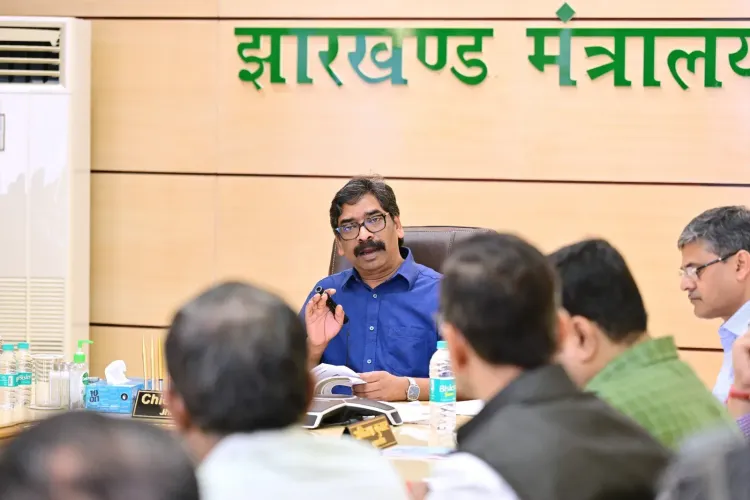
Chief Minister Hemant Soren chaired a review meeting of the Jharkhand Forest Department on Monday, 20 July 2026, examining the work progress of the state's forest and wildlife administration. The Chief Minister's Office of Jharkhand shared details of the meeting on X, underscoring that the state's natural heritage remains a core governance priority.
What the Chief Minister Said
Addressing forest officials during the review, CM Soren stated — in the original Hindi, 'Jharkhand ki pehchaan uski prakritik sampada, vanyapranion evam samridh jaiv vividhata se hai' — that 'Jharkhand's identity is defined by its natural wealth, wildlife, and rich biodiversity.' He added that the conservation and enhancement of these resources are among the state government's top priorities. The message was directed squarely at departmental officers, signalling accountability expectations from the top.
Context
Jharkhand, carved out of Bihar in November 2000, was established partly to enable more focused stewardship of its dense forests, tribal landscapes, and mineral belts. The state holds significant forest cover and is home to a wide range of wildlife habitats and biodiversity corridors. The Jharkhand Forest Department, operating under the state government, is responsible for administering these forests, enforcing wildlife protection laws, and running biodiversity conservation programmes.
CM Soren of the Jharkhand Mukti Morcha (JMM) has consistently positioned tribal welfare and natural resource stewardship as central planks of his administration. Forest-dependent communities — including numerous Scheduled Tribe populations — rely on these ecosystems for livelihoods, cultural identity, and sustenance.
Policy Backdrop
Periodic high-level reviews of forest department performance are a standard governance mechanism in mineral-rich eastern Indian states, where conservation mandates frequently come under pressure from mining and industrial activity. Jharkhand's stated commitment to biodiversity conservation aligns with obligations under the Forest Conservation Act and India's international commitments under global biodiversity frameworks. Such reviews are also seen as signals ahead of legislative sessions where fresh budgetary allocations or scheme launches for afforestation may be announced.
The tension between resource extraction revenues — a significant contributor to the state exchequer — and ecological safeguards in scheduled and forested areas remains a live policy challenge for the administration.
Stakeholders and Impact
The primary stakeholders in Jharkhand's forest governance are its large tribal and forest-dependent populations, who hold both legal rights and cultural ties to these landscapes. Conservation outcomes also affect wildlife corridors shared with neighbouring states, making inter-state coordination a practical concern. Civil society organisations working on forest rights and environmental protection in the region will watch the outcomes of this review closely.
What's Next
The next India State of Forest Report will offer a data-backed assessment of whether Jharkhand's forest cover and biodiversity indices are improving. Observers will also track whether the current review translates into fresh budgetary commitments or new scheme announcements in the upcoming Jharkhand assembly session. The Chief Minister's direct engagement with the forest department suggests that concrete follow-up measures — on staffing, funding, or conservation targets — may be in the pipeline.
Point of View
Such a review carries implicit political weight, reassuring tribal constituencies that conservation will not be subordinated to extraction revenue. The framing of biodiversity as Jharkhand's 'identity' is also a soft counter-narrative to the state's dominant image as a mining economy. Whether this review produces measurable policy outputs — new allocations, enforcement targets, or scheme launches — will determine whether it registers as substantive governance or routine optics.
NationPress
20 Oct 2026
Frequently Asked Questions
Why did CM Hemant Soren review the Jharkhand Forest Department?
CM Hemant Soren reviewed the Jharkhand Forest Department's work progress to assess conservation and biodiversity efforts, stating that Jharkhand's natural wealth and wildlife are a top state government priority.
What did Hemant Soren say about Jharkhand's forests?
He told officials that Jharkhand's identity is defined by its natural wealth, wildlife, and rich biodiversity, and that their conservation and enhancement are among the state government's foremost priorities.
What is the Jharkhand Forest Department responsible for?
The Jharkhand Forest Department administers the state's forests, enforces wildlife protection laws, and runs biodiversity conservation and afforestation programmes across the state.
How does Jharkhand balance mining and forest conservation?
Jharkhand faces an ongoing tension between revenues from mineral extraction and its conservation obligations under the Forest Conservation Act and international biodiversity frameworks — a challenge the state government periodically addresses through high-level departmental reviews.
Which communities are most affected by Jharkhand's forest policies?
Tribal and forest-dependent communities, including numerous Scheduled Tribe populations across Jharkhand, are the primary stakeholders, relying on forests for livelihoods, cultural identity, and sustenance.