PM Modi Flags Off India's First Hydrogen Train at Jind

Synopsis
Prime Minister Narendra Modi on 17 July 2026 flagged off India's first hydrogen-powered train between Jind and Sonipat in Haryana, a milestone under the National Green Hydrogen Mission. Union Minister G. Kishan Reddy shared the live event, spotlighting India's push toward zero-emission rail and its 2070 net-zero commitment.
Key Takeaways
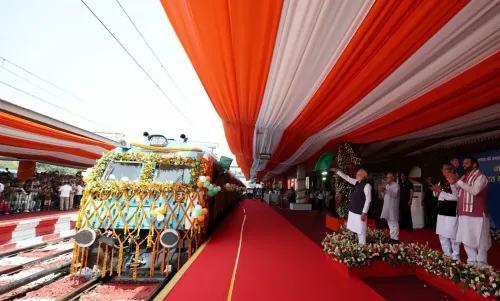
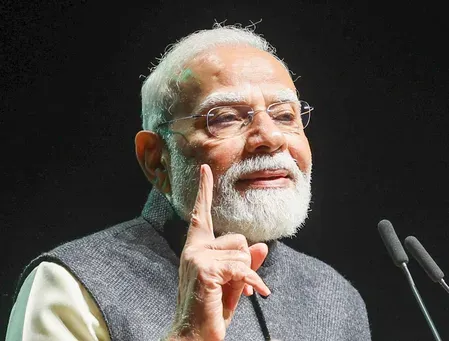
PM Modi flagged off India's first hydrogen train on 17 July 2026 at Jind railway station , Haryana.
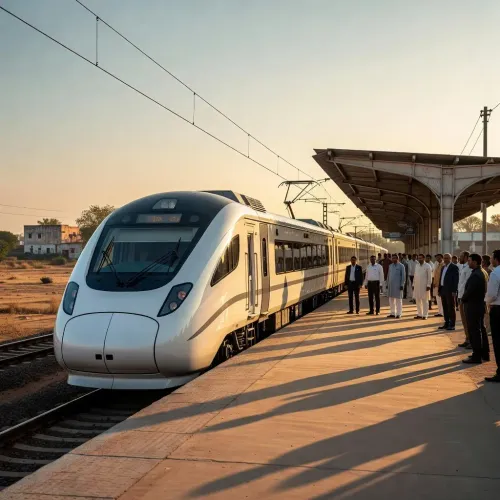
The inaugural route connects Jind and Sonipat , two cities in Haryana.
The launch is anchored in the National Green Hydrogen Mission , approved by Cabinet in 2023 .
Indian Railways targets net-zero carbon emissions by 2030 as part of India's COP26 commitment to net-zero by 2070 .
The initiative supports Atmanirbhar Bharat by developing indigenous hydrogen propulsion technology.
Expansion to additional routes and Railway Budget allocations will be the next key milestones to watch.
Union Coal and Mines Minister G. Kishan Reddy on Friday, 17 July 2026, shared a live update announcing that Prime Minister Narendra Modi flagged off India's first hydrogen-powered train between Jind and Sonipat at Jind railway station in Haryana, marking a landmark moment in the country's green mobility push.
Context
The flag-off of the Jind–Sonipat hydrogen train represents a first for Indian Railways, which has been working toward decarbonising its vast network as part of a broader net-zero roadmap. The route connects two cities in Haryana, placing the state at the centre of what the government is positioning as a transformative moment in Indian transport history. Minister Kishan Reddy, who shared the live broadcast of the event on X (formerly Twitter), described it as a milestone under PM Modi's leadership.
Policy Backdrop
The hydrogen train launch is directly linked to the National Green Hydrogen Mission, approved by the Union Cabinet in 2023, which aims to build domestic capacity for green hydrogen production and deploy it across sectors including transport. Indian Railways had earlier announced hydrogen-powered trains as a key pillar of its strategy to achieve net-zero carbon emissions by 2030. India's broader commitment to net-zero by 2070, made at COP26, has accelerated investment in alternative fuel technologies across the rail sector.
The initiative also feeds into the Atmanirbhar Bharat framework, with the government emphasising the development of indigenous hydrogen propulsion technology rather than relying on imports. This positions India alongside a small group of nations — including Germany and Japan — that have operationalised hydrogen rail services.
Stakeholders and Impact
Railway passengers on the Jind–Sonipat corridor will be the immediate beneficiaries, with hydrogen trains offering a quieter, zero-emission alternative to diesel-powered services. The green energy industry stands to gain significantly, as scaling hydrogen train operations will require expanded production, storage, and refuelling infrastructure along rail corridors. Domestic manufacturers involved in rolling stock and fuel-cell technology are also expected to see increased demand as the programme expands.
For Haryana, the flag-off carries political and economic weight, with the state hosting the inaugural run of a technology that the Centre has flagged as a national priority. The move is likely to spur conversations around dedicated hydrogen refuelling hubs at railway stations across the country.
What's Next
Attention will now turn to whether the government announces an expansion of hydrogen train services to additional routes in the upcoming Railway Budget, and how quickly the supporting infrastructure — particularly green hydrogen production facilities — can be scaled. The success of the Jind–Sonipat pilot will be closely watched by policymakers, the rail industry, and climate observers as a proof-of-concept for wider deployment. Any dedicated budgetary allocation or new route announcements will signal the pace at which India intends to mainstream hydrogen propulsion across its rail network.
Point of View
However, will be how quickly the ecosystem — hydrogen production, storage, and station infrastructure — scales to match the ambition.
NationPress
15 Oct 2026
Frequently Asked Questions
What is India's first hydrogen train and where does it run?
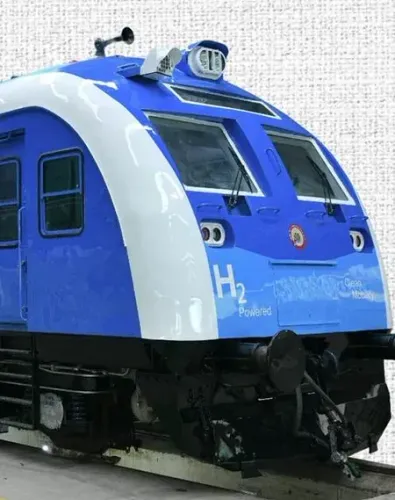
India's first hydrogen-powered train runs between Jind and Sonipat in Haryana. It was flagged off by Prime Minister Narendra Modi on 17 July 2026 at Jind railway station.
What is the National Green Hydrogen Mission?
The National Green Hydrogen Mission is a Central government programme approved by the Union Cabinet in 2023 to develop domestic green hydrogen production and deploy it across sectors including transport and industry.
How does the hydrogen train fit into Indian Railways' net-zero plan?
Indian Railways has set a net-zero carbon emissions target for 2030. Hydrogen-powered trains are a key part of this roadmap, reducing dependence on diesel traction on routes not yet electrified.
Why was Jind chosen as the flag-off point for the hydrogen train?
Jind in Haryana was selected as the starting point of the inaugural Jind–Sonipat hydrogen train route. The short inter-city corridor serves as a pilot for the technology before broader national deployment.
What happens next after the hydrogen train launch?
Policymakers and the rail industry will watch whether additional routes are announced and whether the next Railway Budget includes dedicated allocations for hydrogen train expansion and supporting refuelling infrastructure.