CM Sukhu to Install MRI Machines in 8 HP District Hospitals
Synopsis
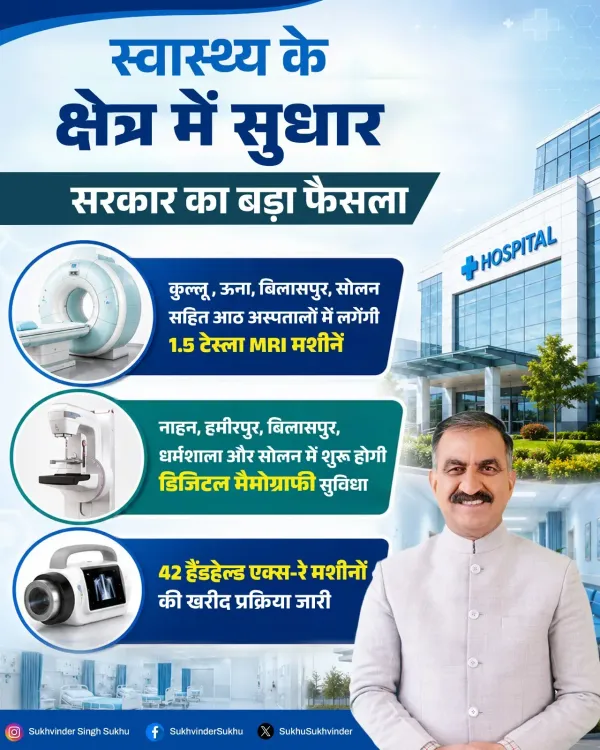
Chief Minister Sukhvinder Singh Sukhu announced on 20 July 2026 that Himachal Pradesh will install 1.5 Tesla MRI machines in eight district hospitals, launch digital mammography at five locations, and procure 42 handheld X-ray units — aiming to bring advanced diagnostics within reach of patients in their own districts.
Key Takeaways
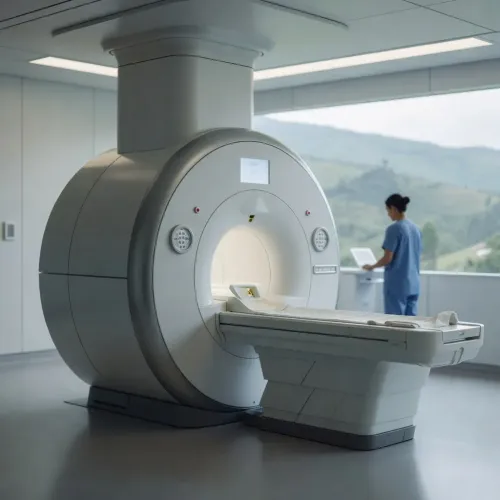
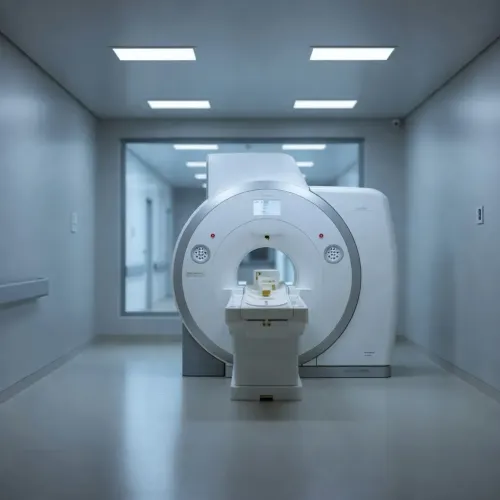
Eight district hospitals in Himachal Pradesh will receive 1.5 Tesla MRI machines , with Kullu, Una, Bilaspur and Solan confirmed among them.
Digital mammography facilities will be introduced at hospitals in Nahan, Hamirpur, Bilaspur, Dharamshala and Solan .
Procurement of 42 handheld X-ray machines is in progress; 14 units have already been delivered.
The initiative aims to reduce patient travel to distant hospitals, cutting time, cost and logistical strain.
The upgrades align with the National Health Mission and National Health Policy 2017 frameworks for district-level diagnostic decentralisation.
CM Sukhu framed the expansion as a direct response to the hardship of patients travelling long distances for routine diagnostic tests.
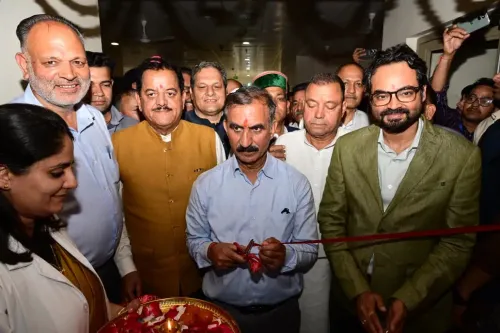
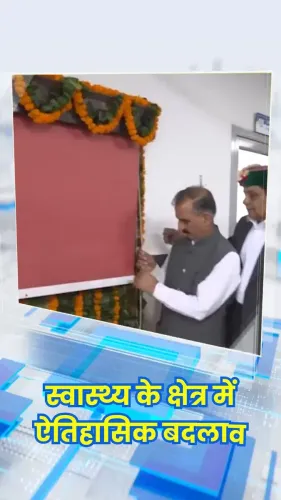
Himachal Pradesh Chief Minister Sukhvinder Singh Sukhu announced on Monday, 20 July 2026 a significant expansion of diagnostic infrastructure across the state, including the installation of 1.5 Tesla MRI machines in eight district hospitals and the rollout of digital mammography services in five towns, aiming to end the burden on patients of travelling long distances for basic medical tests.
Posting in Hindi on X, CM Sukhu said the biggest anxiety during illness is 'having to run to far-flung hospitals for tests' ('दूर-दराज़ के अस्पतालों के चक्कर लगाने की होती है'). The announcement frames the upgrades as a direct response to that hardship, with the stated goal of saving patients 'time, money, and unnecessary running around' while ensuring timely treatment closer to home.
Context
The post names Kullu, Una, Bilaspur and Solan as four of the eight hospitals that will receive 1.5 Tesla MRI machines. The identities of the remaining four hospitals have not been officially disclosed. Separately, digital mammography facilities will be introduced in hospitals at Nahan, Hamirpur, Bilaspur, Dharamshala and Solan — a move that directly addresses early detection of breast cancer in districts that currently lack the equipment.
On handheld X-ray units, CM Sukhu stated that the procurement process for 42 handheld X-ray machines is under way, and 14 machines have already been received. These portable devices are particularly suited to Himachal Pradesh's mountainous geography, where road connectivity to larger hospitals can be difficult, especially in winter months.
Policy Backdrop
The push aligns with the National Health Policy 2017, which called for upgrading district hospitals to provide advanced diagnostics and reduce referrals to tertiary centres. Central funding through the National Health Mission (NHM), active since 2013, supports exactly this kind of state-level diagnostic infrastructure strengthening.
The Ayushman Bharat Pradhan Mantri Jan Arogya Yojana, launched in 2018, further expanded access to diagnostics at empanelled district facilities nationwide. Himachal Pradesh has been an active participant in both schemes, and the current upgrades build on that framework. Across India, states have increasingly decentralised MRI, CT and mammography services to district hospitals under the NHM to cut travel burdens and reduce out-of-pocket costs — a pattern that accelerated after the COVID-19 pandemic exposed gaps in peripheral health systems.
Stakeholders and Impact
The primary beneficiaries are rural and semi-urban patients in the named districts who currently travel to Shimla or private hospitals in larger cities for MRI scans and mammograms, incurring significant cost and time loss. District hospital staff will require training on the new equipment, and the state health department will need to ensure adequate radiologist coverage — a known challenge in hilly states.
The digital mammography rollout carries particular public-health significance: early-stage breast cancer detection rates in non-metro districts remain low partly because screening equipment is unavailable locally. Bringing the facility to Nahan, Hamirpur, Bilaspur, Dharamshala and Solan could meaningfully change referral and detection patterns in those catchment areas.
What's Next
The key milestones to watch are the finalisation of tenders for the remaining 28 handheld X-ray machines, the procurement and installation schedule for MRI units at all eight hospitals, and the operationalisation of mammography services at the five named towns. State budget allocations for recurring maintenance and staffing will determine whether the equipment delivers sustained impact beyond the initial installation phase.
If utilisation data from the upgraded facilities is made public, it will offer the clearest measure of whether decentralising advanced diagnostics to district hospitals is achieving the stated goal of reducing patient travel and improving treatment timelines across Himachal Pradesh.
Point of View
Tangible delivery rather than abstract policy promises. By naming specific districts and quantifying equipment already received, CM Sukhu is anchoring accountability to concrete deliverables, a shift from announcement-only politics. The inclusion of mammography — a women's health screening tool — alongside MRI and portable X-ray suggests a deliberate effort to broaden the political constituency for the health push. Whether the initiative translates into sustained impact will hinge on recurring budget commitments for maintenance and specialist staffing, the perennial weak link in India's district-hospital upgrade story.
NationPress
20 Oct 2026
Frequently Asked Questions
Which hospitals in Himachal Pradesh will get MRI machines?
Hospitals in Kullu, Una, Bilaspur and Solan have been confirmed by CM Sukhu as recipients of 1.5 Tesla MRI machines . The remaining four hospitals among the total of eight have not been officially named.
Where will digital mammography be available in Himachal Pradesh?
Digital mammography facilities will be introduced at district hospitals in Nahan, Hamirpur, Bilaspur, Dharamshala and Solan , according to CM Sukhu's announcement on 20 July 2026 .
How many handheld X-ray machines is Himachal Pradesh procuring?
The state is procuring 42 handheld X-ray machines in total. As of the announcement, 14 machines have already been received and the procurement process for the remaining units is ongoing.
Why is Himachal Pradesh installing MRI machines in district hospitals?
CM Sukhu cited the hardship of patients in hilly regions having to travel long distances to far-flung hospitals for diagnostic tests. The expansion is intended to make advanced diagnostics available within each patient's own district, saving time and money.
Which central schemes support Himachal Pradesh's hospital upgrades?
The upgrades align with the National Health Mission (NHM) , which funds district-hospital infrastructure strengthening, and the Ayushman Bharat Pradhan Mantri Jan Arogya Yojana , which supports diagnostics at empanelled facilities — both active in Himachal Pradesh .