Joshi Launches Green Hydrogen Portal, Clears 9 Startups
Synopsis
Union Minister Pralhad Joshi chaired a national workshop on the Green Hydrogen Mission on 17 June 2026, announcing ₹22 crore for the first batch of nine approved startups and launching a digital Green Hydrogen Certification Portal, as India accelerates its net-zero energy transition.
Key Takeaways
Minister Pralhad Joshi chaired the 'Strengthening the National Green Hydrogen Mission' workshop on 17 June 2026 , attended by state government and industry representatives.
The first batch of nine startups under NGHM received approval with ₹22 crore in support, drawn from the mission's ₹100 crore startup programme .
The Green Hydrogen Certification Portal was launched as a single digital platform for issuing, tracking, and verifying green hydrogen certificates.
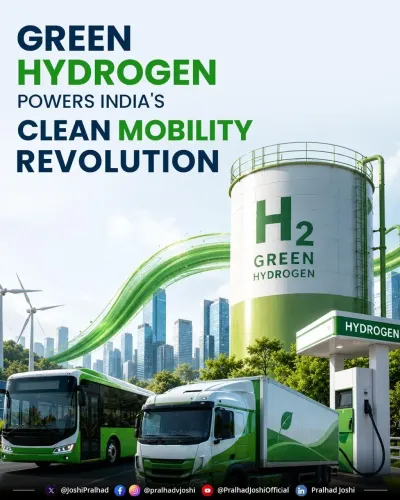
The National Green Hydrogen Mission was approved in January 2023 with a ₹19,744 crore outlay, targeting 5 million tonnes of annual green hydrogen production by 2030 .
The workshop stressed the role of state governments in establishing green hydrogen hubs and converting national policy into investable projects.
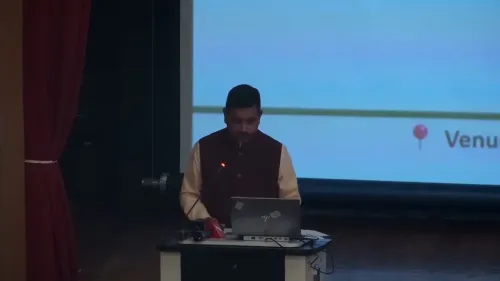
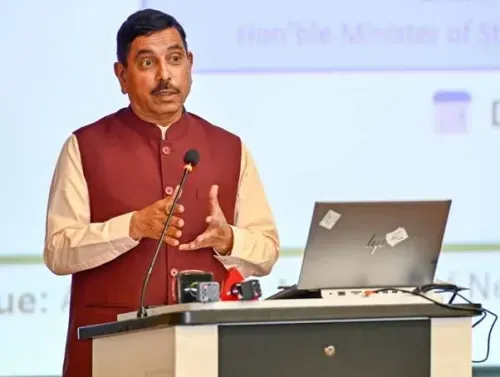
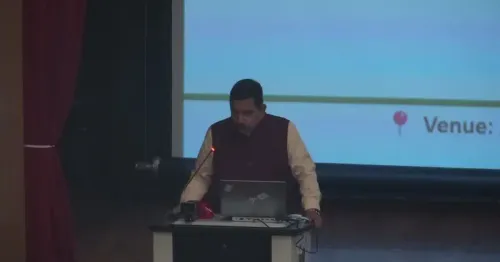
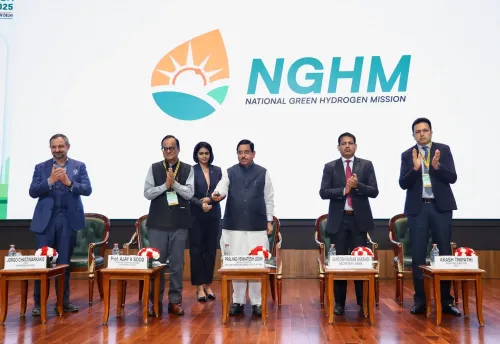
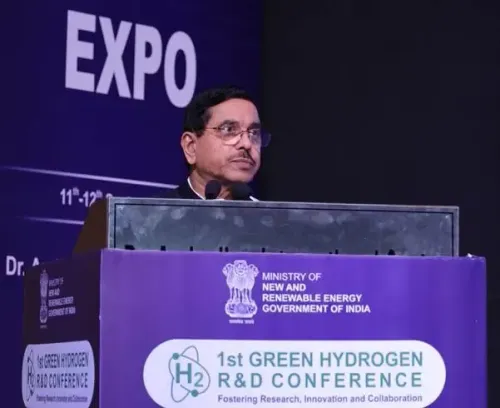
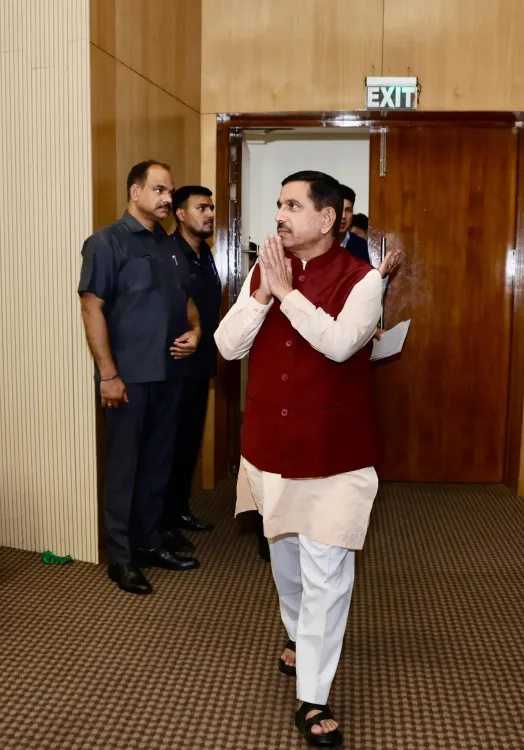
Union Minister of New and Renewable Energy Pralhad Joshi on Wednesday, 17 June 2026, chaired a high-level workshop titled 'Strengthening the National Green Hydrogen Mission: State Policies, Hubs and Infrastructure,' bringing together representatives from state governments, industry, and key stakeholders. The event was held as part of celebrations marking 12 years of the Narendra Modi-led government at the Centre.
Context
The workshop, convened by Minister Joshi, focused on the critical role state governments must play in translating national-level green hydrogen ambitions into on-the-ground projects and investments. Joshi underscored that the workshop 'highlighted the critical role of States in translating policy into projects, investment into industry, and ambition into action.' Two major announcements emerged from the event: the approval of the first batch of startups under the National Green Hydrogen Mission (NGHM) and the launch of a dedicated digital certification platform.
Policy Backdrop
The National Green Hydrogen Mission was approved by the Union Cabinet in January 2023 with a total outlay of ₹19,744 crore, aimed at scaling domestic green hydrogen production to five million tonnes annually by 2030. The mission is a cornerstone of India's net-zero 2070 commitment and its Panchamrit climate pledges made at COP26. Among its components is a ₹100 crore startup support programme designed to seed early-stage innovation in the green hydrogen value chain.
At the workshop, Minister Joshi announced the approval of the first batch of nine startups under NGHM, with combined support of ₹22 crore sanctioned under this programme. Separately, he launched the Green Hydrogen Certification Portal, described as a single digital platform to manage the entire certification process for green hydrogen producers and consumers — covering issuance, tracking, and verification of certificates.
Stakeholders and Impact
State governments are increasingly central to the mission's implementation strategy, with the Centre pushing for designated green hydrogen hubs and viability-gap funding to attract private investment. The presence of industry representatives at the workshop signals the government's intent to align regulatory and financial frameworks with commercial realities. For startups, the ₹22 crore first-tranche approval marks a concrete early step in operationalising the mission's innovation pipeline.
The Green Hydrogen Certification Portal addresses a longstanding gap: the absence of a standardised, digitally managed system to authenticate green hydrogen credentials. Such certification infrastructure is considered essential for India to participate in emerging global green hydrogen trade corridors, particularly with the European Union, which has mandated strict origin and emissions traceability for hydrogen imports.
What's Next
Attention will now shift to the roll-out of the remaining tranches under the ₹100 crore startup programme and to the selection of the first green hydrogen hubs by state governments. The certification portal's adoption by producers and off-takers will be a key early indicator of implementation readiness. With state-level policy frameworks still evolving, the Centre's push for hub-based infrastructure could accelerate investment clustering in states with strong renewable energy bases such as Rajasthan, Gujarat, and Andhra Pradesh.
Point of View
A shift that has been slower than the government's original 2023 timelines implied. By framing the workshop within the '12 years of decisive leadership' narrative, the Ministry is consciously linking green energy milestones to the BJP's broader governance record ahead of what remains a politically salient energy agenda. The certification portal is particularly consequential: without credible traceability infrastructure, India's green hydrogen exports to stringent markets like the EU remain aspirational. The emphasis on state-level hubs also reflects a federal strategy to distribute ownership of the energy transition, reducing the Centre's implementation burden while deepening political buy-in across state capitals.
NationPress
16 Sept 2026
Frequently Asked Questions
What is the National Green Hydrogen Mission?
The National Green Hydrogen Mission is a central government scheme approved in January 2023 with an outlay of ₹19,744 crore, aimed at scaling India's green hydrogen production to five million tonnes per year by 2030 and positioning India as a global hub for green hydrogen.
What did Pralhad Joshi announce at the green hydrogen workshop on 17 June 2026?
Minister Pralhad Joshi announced approval of the first batch of nine startups under NGHM with ₹22 crore in financial support, and launched the Green Hydrogen Certification Portal, a digital platform for managing green hydrogen certification end-to-end.
What is the Green Hydrogen Certification Portal?
The Green Hydrogen Certification Portal is a government-launched digital platform that serves as a single window for issuing, tracking, and verifying certificates for green hydrogen producers and consumers in India.
How much funding is available for startups under the Green Hydrogen Mission?
The NGHM includes a ₹100 crore startup support programme; the first tranche of ₹22 crore has been approved for nine startups in the first batch announced in June 2026.
What is India's green hydrogen production target?
India aims to produce five million tonnes of green hydrogen annually by 2030 under the National Green Hydrogen Mission, as part of its broader net-zero 2070 and Panchamrit climate commitments.