Pralhad Joshi launches Green Hydrogen Certification Portal
Synopsis
Union Minister Pralhad Joshi launched the Green Hydrogen Certification Portal at Horizons Clean Energy Expansion India 2026, strengthening trust and transparency under the Rs 19,744-crore National Green Hydrogen Mission targeting 5 million tonnes of green hydrogen annually by 2030.
Key Takeaways
Green Hydrogen Certification Portal launched under the Ministry of New and Renewable Energy to issue credible, verifiable certificates for green hydrogen producers.
The portal supports both domestic offtake and export markets , helping India meet emerging international standards including those from the EU.
It is anchored to the National Green Hydrogen Mission , approved in January 2023 with an outlay of Rs 19,744 crore .
India's 2030 target is annual green hydrogen production of 5 million tonnes , positioning the country as a global hub.
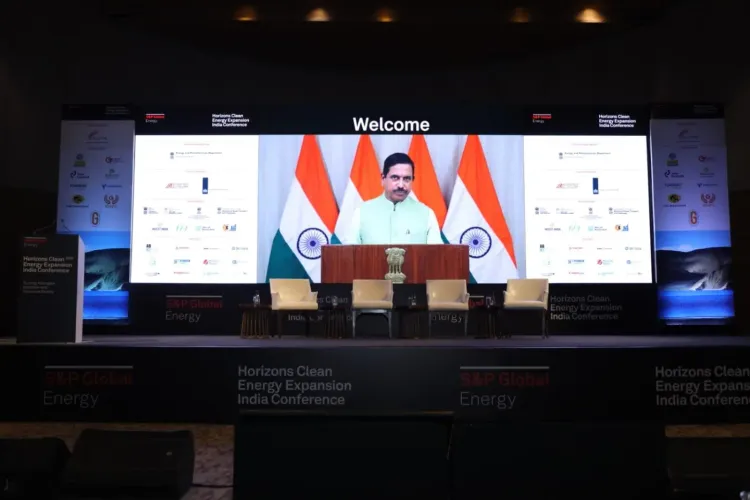
Minister Pralhad Joshi delivered the announcement via video message at the Horizons Clean Energy Expansion India 2026 conference organised by EnergySPG .
Key milestones to watch: first certificates issued, mutual recognition agreements with trading partners, and capacity progress reports.
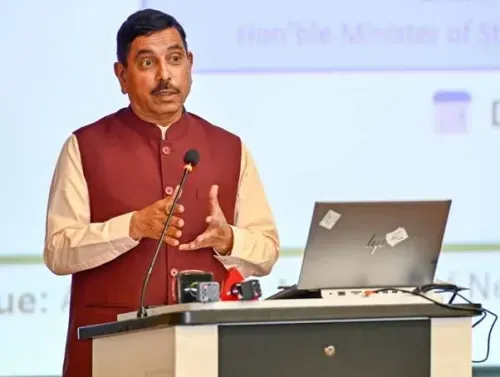
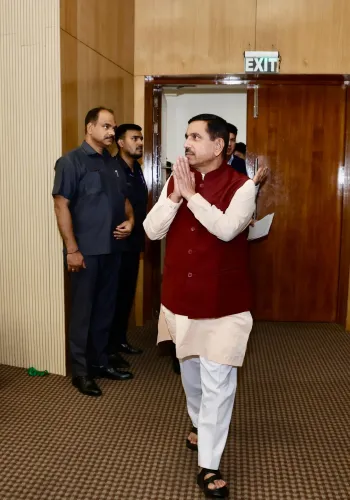
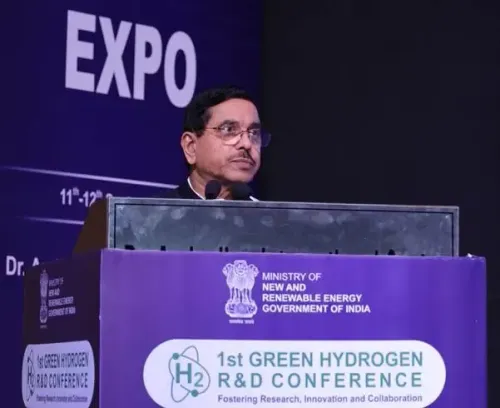
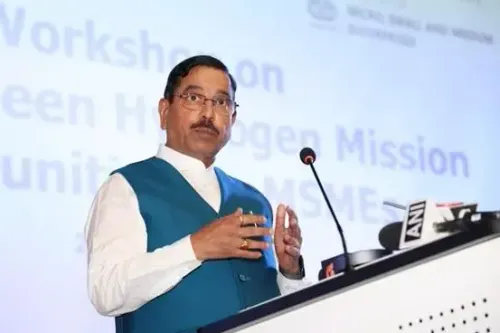
India's green hydrogen ambitions just got a credibility layer. Union Minister of New and Renewable Energy Pralhad Joshi on Thursday, September 24, 2026, unveiled the Green Hydrogen Certification Portal — a digital platform designed to issue verifiable credentials for green hydrogen production — while addressing the Horizons Clean Energy Expansion India 2026 conference organised by EnergySPG.
What the certification portal is built to do
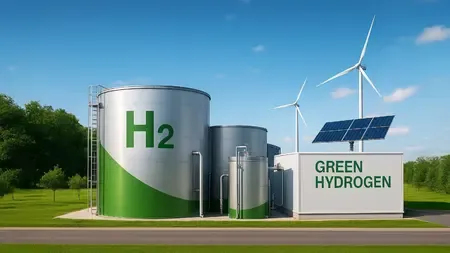
A hydrogen molecule, after all, is invisible. Proving it was made with clean energy — and not coal or gas — requires a paper trail that global buyers and investors will actually trust. The newly launched portal sits under the Ministry of New and Renewable Energy and is tasked with issuing standardised certificates that verify the green attributes of hydrogen produced in India, for both domestic offtake and export markets.
Speaking in a video message to the conference, Joshi framed the portal as an essential trust-building instrument: 'For this market to scale, trust and transparency will be essential.' Without credible certification, he argued, industry confidence, investor appetite, and global partnerships all remain fragile.
The Rs 19,744-crore mission behind the portal
The certification push is not a standalone move — it flows directly from India's flagship National Green Hydrogen Mission (NGHM), approved by the Union Cabinet in January 2023 with an outlay of Rs 19,744 crore. The mission targets annual domestic green hydrogen production of 5 million tonnes by 2030, aiming to position India as a global production and export hub.
That target is ambitious by any measure. Hitting it requires not just electrolyser capacity and renewable power — it requires a market architecture where buyers at home and abroad can independently verify what they are purchasing. The portal is designed to be exactly that architecture.
Why global standards make this urgent right now
The timing is deliberate. Economies including the European Union are building strict hydrogen import certification frameworks tied to their own clean-energy transition goals. Any Indian producer hoping to tap those export corridors will need recognised certificates of origin for their hydrogen.
By moving now, India is trying to get ahead of the certification curve — ensuring its producers can meet emerging international standards rather than scrambling to retrofit compliance later. Mutual recognition agreements with trading partners will be the next milestone to watch, alongside the issuance of the portal's first certificates and progress reports on capacity additions against the 2030 targets.
Green hydrogen is often called the 'molecule of the future'. India just built the stamp of approval it needs to sell that future to the world.
Point of View
The mission's 5-million-tonne target risks becoming a number without a buyer. By moving on certification infrastructure ahead of the EU's tightening hydrogen import rules, India is signalling it intends to compete as a serious export destination rather than merely a domestic producer. For the BJP government, this also serves a political narrative: that India's clean energy transition is not just aspirational but operationally advanced. The test, however, will be whether the portal achieves international mutual recognition in time to unlock actual export contracts before rival hydrogen economies do.
NationPress
24 Sept 2026
Frequently Asked Questions
What is the Green Hydrogen Certification Portal in India?
The Green Hydrogen Certification Portal is a digital platform launched by India's Ministry of New and Renewable Energy to issue standardised certificates verifying that hydrogen has been produced using clean, renewable energy — essential for building trust with domestic buyers and international export partners.
What is India's National Green Hydrogen Mission?
The National Green Hydrogen Mission (NGHM) is India's flagship scheme approved by the Union Cabinet in January 2023 with an outlay of Rs 19,744 crore, targeting annual green hydrogen production of 5 million tonnes by 2030 to make India a global green hydrogen hub.
Why does India need green hydrogen certification?
Certification proves that hydrogen was produced using renewable energy, not fossil fuels. Without credible certificates, Indian producers cannot meet the strict import standards being set by major buyers like the European Union, making certification essential for unlocking export markets.
Who is Pralhad Joshi and what ministry does he head?
Pralhad Joshi is a senior BJP leader from Karnataka who serves as Union Minister of Consumer Affairs, Food and Public Distribution, and Minister of New and Renewable Energy in the Indian government.
What is India's 2030 green hydrogen production target?
Under the National Green Hydrogen Mission, India aims to produce 5 million tonnes of green hydrogen annually by 2030, backed by a government investment of Rs 19,744 crore in production, infrastructure, and research.