Pralhad Joshi Flags PM Modi's 5 MT Green Hydrogen Target by 2030
Synopsis
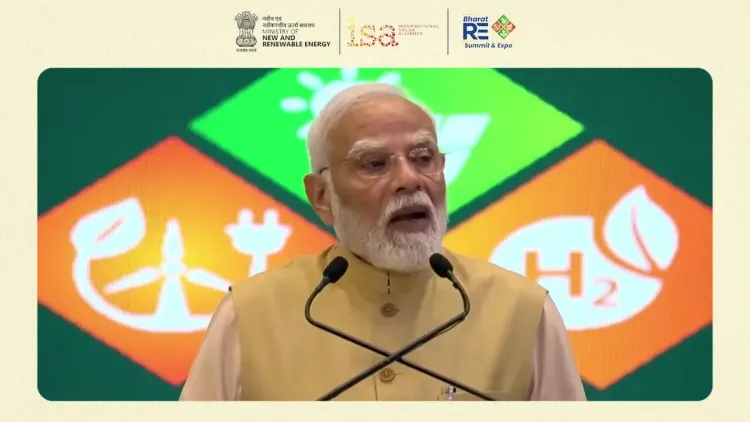
At the Bharat RE Summit 2026, PM Modi reaffirmed India's goal to produce 5 million tonnes of green hydrogen annually by 2030 under the National Green Hydrogen Mission, with a focus on transport sector integration — amplified by Minister Pralhad Joshi on X.
Key Takeaways
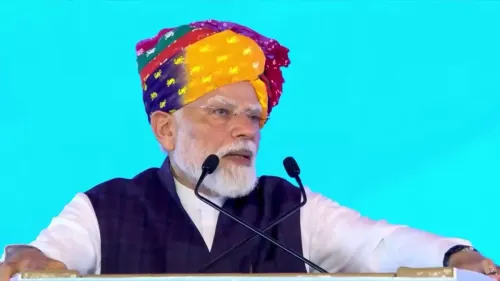
Minister Pralhad Joshi shared PM Modi's statement at the Bharat RE Summit 2026 on November 3, 2026 .
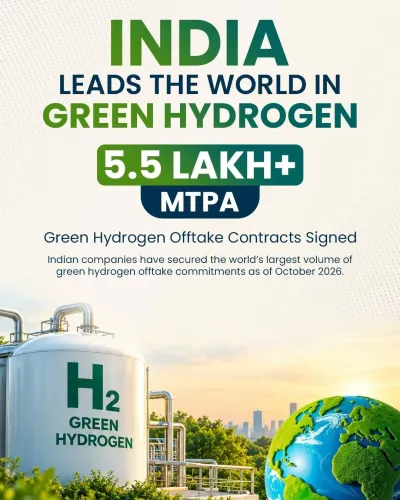
India targets 5 million tonnes of green hydrogen production per year by 2030 under the National Green Hydrogen Mission (NGHM) .
The NGHM was approved by the Union Cabinet in January 2023 with a budgetary outlay of Rs 19,744 crore .
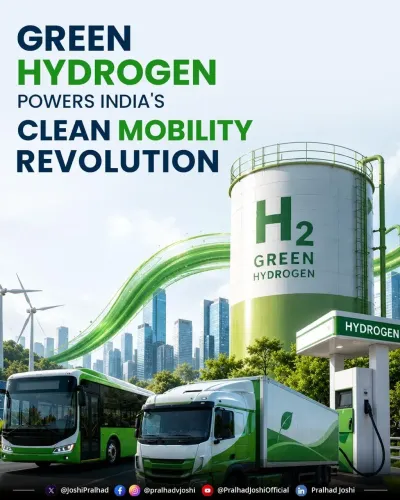
The transport sector has been specifically highlighted as a key integration domain for green hydrogen deployment.
The mission supports India's broader commitments including net zero by 2070 and reducing fossil fuel import dependence.
Electrolyser manufacturing, dedicated renewable capacity, and green hydrogen corridors are the critical scale-up requirements before 2030.
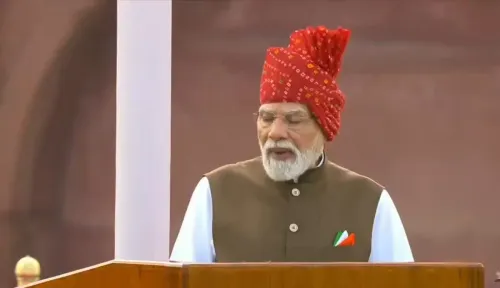
India's green hydrogen ambition has a number, a deadline, and now a prime ministerial voice behind it. Union Consumer Affairs and New and Renewable Energy Minister Pralhad Joshi on Tuesday, November 3, 2026, shared Prime Minister Narendra Modi's statement at the Bharat RE Summit 2026, reaffirming that India will produce 5 million tonnes of green hydrogen annually by 2030 — and put the transport sector at the centre of its deployment plan.
The Mission that put 5 MT on the map
The ambition Joshi amplified did not emerge overnight. The Union Cabinet approved the National Green Hydrogen Mission (NGHM) in January 2023, backing it with an outlay of Rs 19,744 crore. The mission set a single headline goal — 5 million metric tonnes of domestic green hydrogen production per year by the end of the decade — and tasked multiple ministries, including the Ministry of New and Renewable Energy, with translating that goal into actionable pilots and procurement frameworks.
Green hydrogen — produced by splitting water using electricity from renewable sources — carries a near-zero carbon footprint, making it central to decarbonising sectors that electricity alone cannot easily reach: long-haul freight, shipping, steel, and fertilisers.
Why transport is the pivotal test case
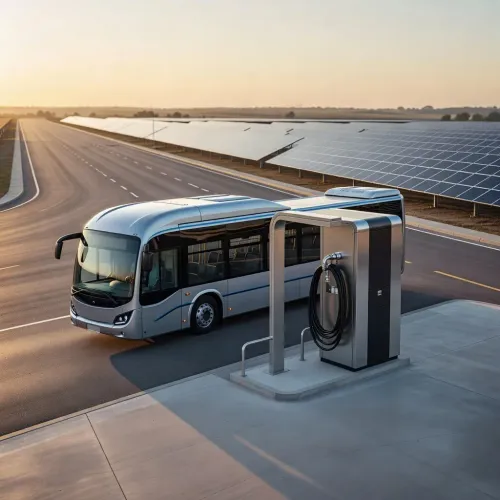
PM Modi's explicit mention of the transport sector as an integration target is significant. Hydrogen fuel-cell trucks, buses, and railway locomotives represent some of the hardest-to-abate segments of India's emission profile. Battery-electric solutions face range and payload constraints on freight corridors; hydrogen, if produced at competitive cost, could fill that gap.
India's strategy links green hydrogen scale-up directly to its COP26 commitments — achieving net zero by 2070 and meeting 50 per cent of its energy needs from non-fossil sources by 2030. Cutting dependence on imported fossil fuels is an equally pressing driver: India spends tens of billions of dollars annually on crude and LNG, a bill that domestic green hydrogen could begin to trim.
Renewable energy firms and the scale-up challenge
Hitting 5 MT by 2030 requires massive upstream capacity — electrolyser manufacturing, dedicated renewable energy generation, and green hydrogen corridors. The NGHM's Rs 19,744 crore outlay is designed to seed that supply chain through incentives for electrolyser production and pilot projects. Renewable energy firms and industrial conglomerates are already bidding into early tender rounds, though scaling from pilot to commercial volumes within four years remains the central execution challenge.
With Joshi holding both the Consumer Affairs and New and Renewable Energy portfolios, the ministry is positioned to push both production-side incentives and demand-side mandates — the two levers that together determine whether a hydrogen economy actually materialises or stays on a slide deck.
Point of View
Lending prime ministerial authority to the mission boosts both investor confidence and inter-ministerial momentum. The emphasis on transport integration is a subtle but important escalation: it moves the conversation from production targets, which are still aspirational, toward demand-creation policy, where the ministry can act more directly. Whether the Rs 19,744 crore outlay proves sufficient to catalyse commercial-scale green hydrogen in transport will be the defining test of NGHM's first decade.
NationPress
3 Nov 2026
Frequently Asked Questions
What is the National Green Hydrogen Mission?
The National Green Hydrogen Mission (NGHM) is a central government scheme approved by the Union Cabinet in January 2023 with an outlay of Rs 19,744 crore, aimed at scaling green hydrogen production to 5 million tonnes per year by 2030 and integrating it across sectors including transport, industry, and energy.
What is India's green hydrogen production target by 2030?
India's target under the NGHM is to produce 5 million metric tonnes of green hydrogen annually by 2030.
What is green hydrogen and why does India need it?
Green hydrogen is produced by electrolyzing water using renewable electricity, resulting in near-zero emissions. India is pursuing it to decarbonise hard-to-abate sectors like freight and steel, reduce its dependence on fossil fuel imports, and meet its COP26 climate commitments including net zero by 2070.
Who is Pralhad Joshi and what is his role in green hydrogen policy?
Pralhad Joshi is a senior BJP leader from Karnataka who serves as Union Minister of New and Renewable Energy and Consumer Affairs. His ministry is the nodal body overseeing the National Green Hydrogen Mission's implementation.
What is the Bharat RE Summit 2026?
The Bharat RE Summit 2026 (BRESummit) is a renewable energy summit at which PM Modi made the statement about the 5 MT green hydrogen target. Specific details about the summit's organisers and venue could not be independently verified.