CM Samrat Choudhary Holds Sahyog Shivir in Muzaffarpur Village
Synopsis
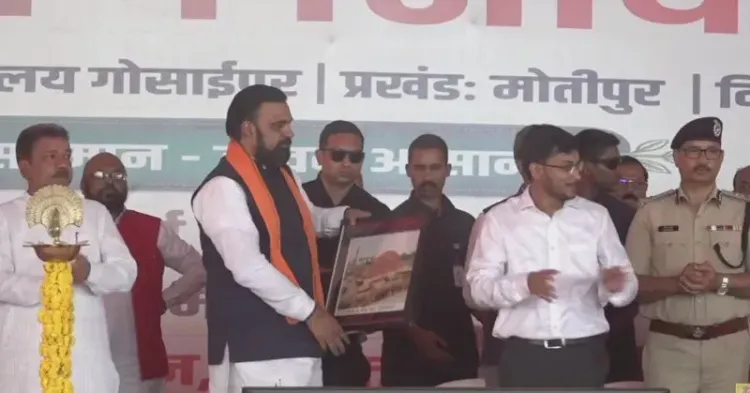
Bihar Chief Minister Samrat Choudhary attended a Sahyog Shivir in Gosaipuр village, Muzaffarpur on June 2, 2026, listening to public grievances, inspecting departmental stalls, and inaugurating government schemes in a direct rural outreach exercise.
Key Takeaways
Bihar Chief Minister Samrat Choudhary attended a Sahyog Shivir in Gosaipuр village , Motipur block , Muzaffarpur on June 2, 2026 .
The camp combined grievance hearing, on-site application processing by multiple departments, and scheme inaugurations.
Multiple government departments set up stalls to receive and process applications from villagers on the spot.
The Chief Minister inaugurated and laid foundation stones for various government schemes at the venue.
The event was livestreamed on Samrat Choudhary 's official X account, reflecting the administration's emphasis on public transparency.
Such camps are part of Bihar's decentralised governance model aimed at improving welfare delivery in rural areas.
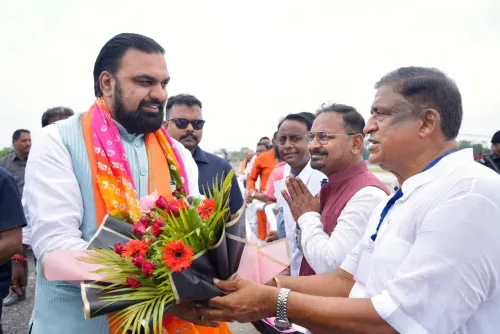
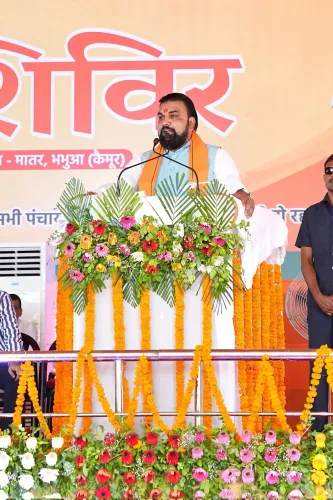
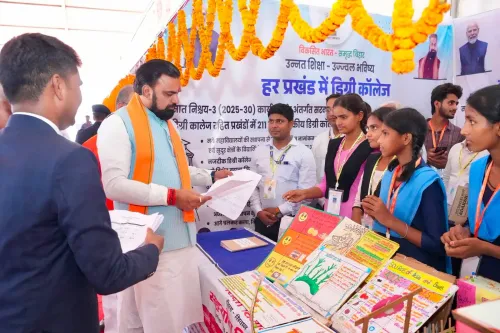
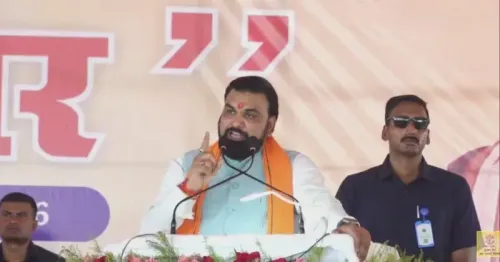
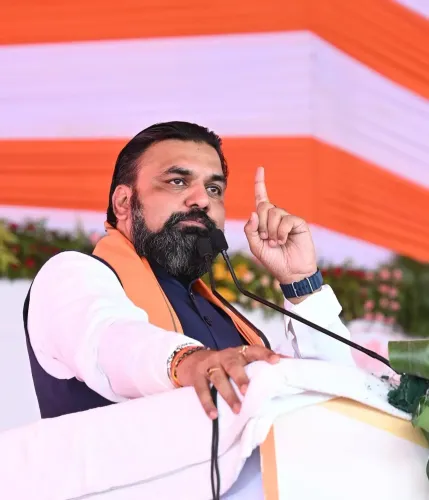
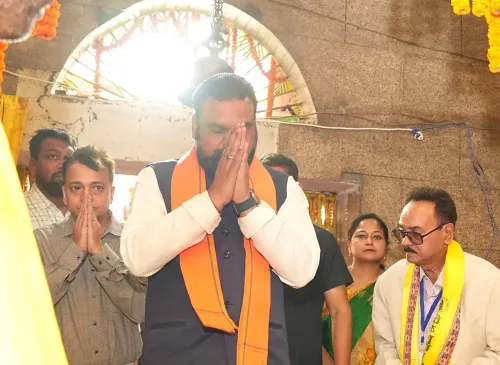
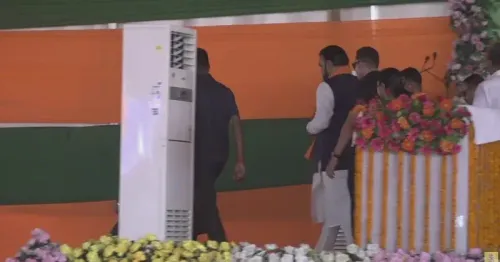
Bihar Chief Minister Samrat Choudhary on Tuesday, June 2, 2026, attended a Sahyog Shivir (welfare assistance camp) organised in Gosaipuр village under Motipur block of Muzaffarpur district, where he heard public grievances, inspected departmental stalls set up for receiving and processing applications, and inaugurated as well as laid foundation stones for various government schemes.
Context
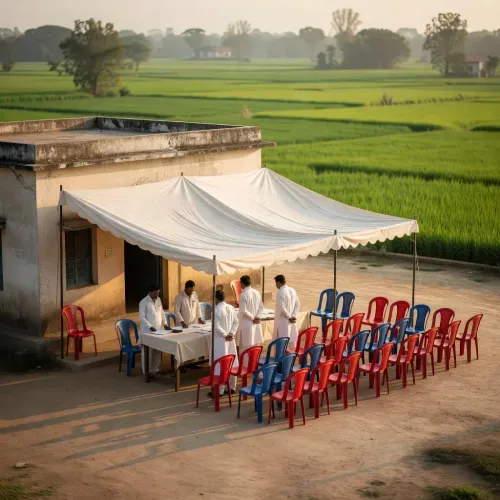
The Chief Minister personally attended the camp, which was livestreamed on his official X account. In his post, Samrat Choudhary described the event as a platform for 'समस्याओं को सुनना' (listening to problems) and for facilitating on-the-spot processing of applications by multiple government departments. Multiple departmental stalls were set up at the venue to allow villagers to submit and resolve applications without travelling to district headquarters.
The camp also included the inauguration and foundation-laying of several government schemes, though the specific projects could not be independently verified at the time of reporting.
Policy Backdrop
The Sahyog Shivir model is part of a broader decentralised governance framework that state governments across India have adopted to improve last-mile delivery of welfare services. In Bihar, such camps have been used to bridge the gap between government departments and rural citizens, particularly in districts with large agrarian populations such as Muzaffarpur.
Muzaffarpur is one of north Bihar's most populous districts, with an economy heavily dependent on agriculture. Residents often face logistical barriers in accessing welfare schemes and submitting applications to government offices located at the block or district level. Village-level camps of this kind are designed to bring administration directly to the doorstep of beneficiaries.
Under Chief Minister Samrat Choudhary, the Bihar government has continued and expanded outreach programmes that combine grievance redressal with on-site scheme delivery, reflecting a pattern of direct engagement with rural constituencies that has characterised BJP-led administrations in the state.
Stakeholders and Impact
The primary beneficiaries of the Sahyog Shivir are rural villagers of Gosaipuр and surrounding areas within Motipur block, who were able to directly present their grievances to the Chief Minister and submit applications to government departments on-site. For many residents of such villages, direct access to senior political leadership and multiple departments in a single venue represents a significant departure from routine bureaucratic processes.
Various state departments deployed stalls at the camp, enabling simultaneous processing of applications related to welfare, agriculture, health, and other sectors. The inauguration and foundation-laying of schemes signals fresh public investment in the area, though the scale and nature of those projects await official confirmation.
What's Next
Follow-up reporting will focus on the number of applications received and disposed of at the camp, the timeline for physical completion of the schemes whose foundation stones were laid, and whether similar Sahyog Shivirs are planned for other blocks across Muzaffarpur and the wider state. The pace of on-ground delivery from such camps is increasingly seen as a metric of administrative effectiveness in rural Bihar, and the outcomes from Gosaipuр will likely inform the government's approach to future outreach events.
Point of View
Departmental access, and scheme launches in a single event — allows the administration to demonstrate delivery at the grassroots while generating visible accountability. For Bihar, where rural welfare access has historically been constrained by distance and bureaucracy, the success of such camps depends heavily on post-event follow-through on applications and scheme execution. The livestreaming of the event adds a layer of public accountability that the administration appears keen to cultivate.
NationPress
23 Oct 2026
Frequently Asked Questions
What is a Sahyog Shivir in Bihar?
A Sahyog Shivir is a government-organised welfare assistance camp held at the village level in Bihar, where officials from multiple departments set up stalls to hear grievances, receive applications, process welfare requests on-site, and inaugurate government schemes — bringing administration directly to rural citizens.
Where did CM Samrat Choudhary hold the Sahyog Shivir on June 2, 2026?
Chief Minister Samrat Choudhary held the Sahyog Shivir in Gosaipuр village under Motipur block of Muzaffarpur district, Bihar, on June 2, 2026.
What happened at the Muzaffarpur Sahyog Shivir?
At the camp, Chief Minister Samrat Choudhary heard public grievances, inspected departmental stalls set up for receiving and processing applications, and inaugurated as well as laid foundation stones for various government schemes.
Why does the Bihar government hold village-level welfare camps?
Bihar holds these camps to improve last-mile delivery of government services, allowing rural residents — especially in agriculture-dependent districts like Muzaffarpur — to access multiple departments and submit applications without travelling to block or district headquarters.
Who benefits from the Sahyog Shivir camps in Bihar?
Rural villagers are the primary beneficiaries, gaining direct access to government departments, grievance redressal mechanisms, and welfare scheme applications in their own villages, often for the first time without bureaucratic barriers.