CM Samrat Choudhary Reviews Water, Roads and Education in Bihar
Synopsis
Bihar Chief Minister Samrat Choudhary chaired a review of the Public Health Engineering, Road Construction, and Higher Education departments on 26 May 2026, issuing directives on clean drinking water, AI-based complaint systems, handpumps by 30 June, four-lane connectivity, and bridge quality audits.
Key Takeaways
CM Samrat Choudhary held a multi-department review at Sankalp Sabhagar, Lok Sevak Avas on 26 May 2026 .
Directed uninterrupted clean drinking water supply to every household and adoption of an AI-based system for water complaint resolution.
New handpumps to be installed at required locations before 30 June 2026 .
Accelerated four-laning of roads connecting all district headquarters , with a focus on tourism, agriculture, and industrial corridors.
Expressway, national highway, and state highway construction ordered to be completed at the earliest.
Regular quality and strength audits of bridges mandated, alongside a detailed review of higher education infrastructure .
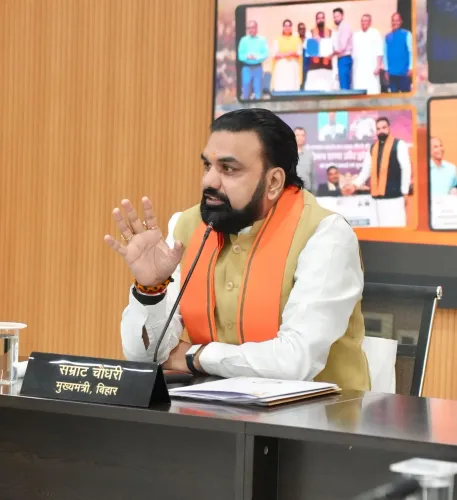
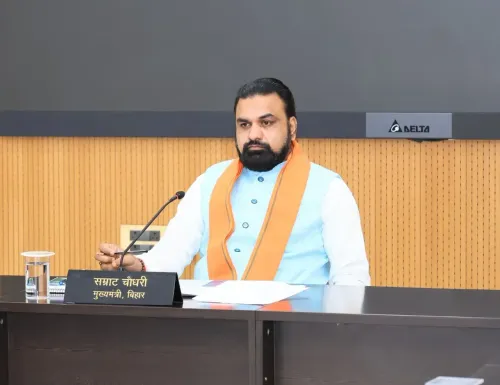
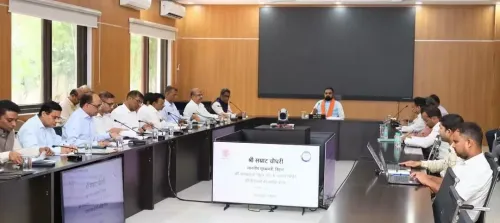
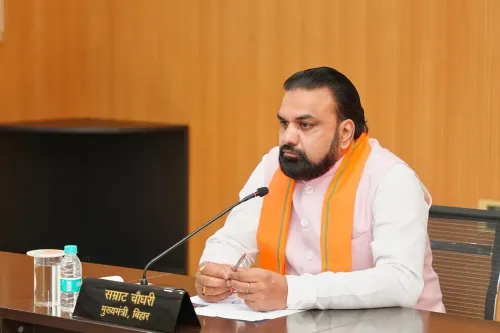
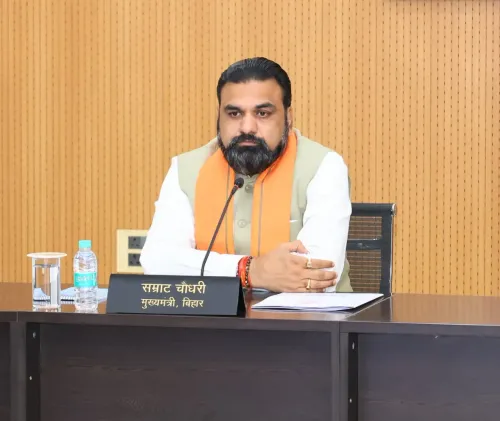
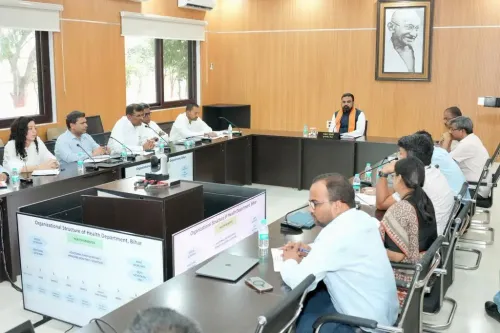
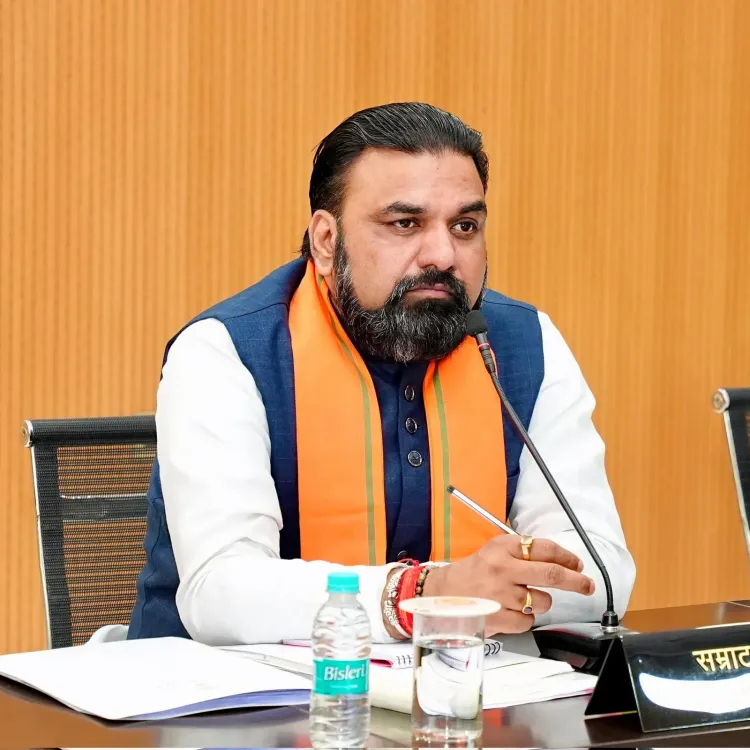
Bihar Chief Minister Samrat Choudhary chaired a multi-department review meeting at Sankalp Sabhagar, Lok Sevak Avas, on Tuesday, 26 May 2026, issuing a series of directives spanning drinking water supply, road infrastructure and higher education to accelerate development across the state.
Context
The meeting brought together senior officials from the Public Health Engineering Department, the Road Construction Department, and the Higher Education Department under one roof. CM Choudhary posted the key decisions on X, listing eight specific directives that together signal a push to close gaps in basic services before the onset of the monsoon season.
In his post, the Chief Minister wrote: 'हर घर तक शुद्ध पेयजल की निर्बाध आपूर्ति सुनिश्चित करने के निर्देश' ['Instructions to ensure uninterrupted supply of clean drinking water to every household'], setting the tone for a meeting that ranged from handpump installation deadlines to expressway construction timelines.
Policy Backdrop
The drinking water directives align closely with the Jal Jeevan Mission, launched nationally in 2019, which aims to provide functional tap-water connections to every rural household. Bihar has been among the states working to meet coverage targets under the scheme, and the instruction to install new handpumps at required locations before 30 June suggests an effort to plug gaps ahead of the summer peak-demand period.
On roads, the push to connect all district headquarters via four-lane roads and to expedite expressway, national highway, and state highway construction draws from the framework of the Bharatmala Pariyojana, initiated in 2015 to accelerate highway development nationwide. The meeting's emphasis on connectivity for tourism, agriculture, and industrial corridors reflects a continuing state strategy to integrate district economies with major transport arteries.
A notable addition to the infrastructure monitoring agenda was the directive to adopt an AI-based system for the swift resolution of drinking water complaints — a step that mirrors a broader trend of state governments deploying technology in public-works grievance redressal.
Stakeholders and Impact
Rural households stand to benefit most directly from the water-supply and handpump directives, particularly in blocks where tap-water coverage remains incomplete. The 30 June deadline for new handpump installations creates a near-term accountability marker for district administrations.
Commuters, transporters, and the agricultural sector are the primary beneficiaries of the road-connectivity push. Faster completion of four-laning projects at district headquarters and expedited work on expressways would reduce travel times and logistics costs across Bihar's interior districts. The directive on regular quality and strength audits of bridges addresses safety concerns that have periodically surfaced in the state.
The Higher Education Department's inclusion in the review signals that infrastructure development in universities and colleges is being treated as part of the same developmental continuum. Students and faculty at state institutions could see accelerated capital works as a result of the review.
What's Next
The most time-bound deliverable from the meeting is the handpump installation drive, with a hard deadline of 30 June 2026. District administrations will be expected to report completion, and any shortfall is likely to draw follow-up action from the Chief Minister's office.
Progress on four-laning and expressway tenders will be the medium-term indicator of whether the road directives translate into ground-level acceleration. Bihar's development trajectory under the 'Viksit Bharat, Samridh Bihar' ['Developed India, Prosperous Bihar'] banner — the hashtags used by CM Choudhary — will increasingly be measured against these concrete infrastructure milestones in the months ahead.
Point of View
Roads, and education into a single sitting allows the Chief Minister to project comprehensive governance rather than siloed bureaucratic action. The AI-based grievance directive is particularly telling — it positions Bihar as a technology-forward state, borrowing credibility from central digital-governance initiatives. The 30 June handpump deadline is a calculated accountability move: specific enough to be tracked, short enough to yield visible results before the monsoon dominates the news cycle.
NationPress
22 Oct 2026
Frequently Asked Questions
What decisions did Bihar CM Samrat Choudhary take in the 26 May 2026 review meeting?
CM Samrat Choudhary issued eight key directives covering uninterrupted clean drinking water supply, an AI-based complaint system, new handpump installations before 30 June , four-laning of district headquarters roads, faster expressway and highway completion, better connectivity for tourism and agriculture zones, bridge quality audits, and a higher education infrastructure review.
What is the deadline for new handpump installations in Bihar?
The Chief Minister directed that new handpumps be installed at all required locations before 30 June 2026 , creating a near-term accountability deadline for district administrations.
How does Bihar's water supply push connect to the Jal Jeevan Mission?
The Jal Jeevan Mission , launched nationally in 2019 , aims to provide tap-water connections to every rural household; Bihar's latest directives on clean water supply and handpump installation align with and complement that central scheme's coverage targets.
What is Bihar's plan for road connectivity at district headquarters?
CM Choudhary directed that all district headquarters in Bihar be connected via four-lane roads, with expressway, national highway, and state highway construction to be completed at the earliest, with special focus on tourism, agriculture, and industrial corridors.
What is the AI-based system mentioned in the Bihar water review?
The Chief Minister emphasised adopting an AI-based system for the swift resolution of drinking water complaints, reflecting a broader state-level move to use technology in public-works grievance redressal, though specific implementation details are yet to be made public.