Vivek Ramaswamy Vows Property Tax Slash, Calls Ballot a Binary Choice
Synopsis
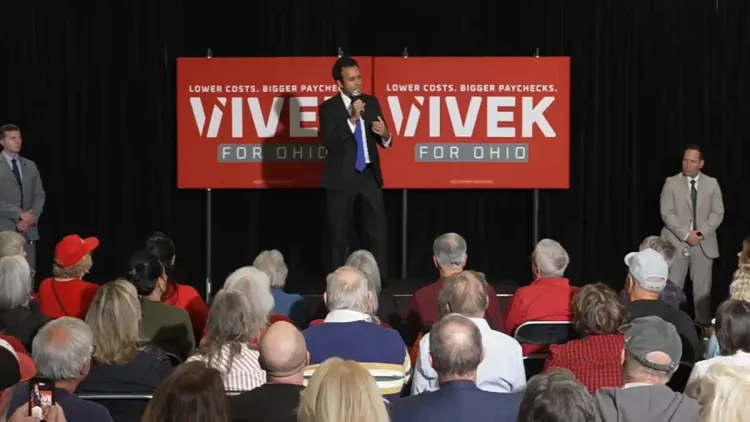
Entrepreneur Vivek Ramaswamy declared on X that property taxes are 'unjustly high' and vowed major reform starting in January, framing the upcoming ballot as a binary choice between doubling or slashing property tax burdens for American homeowners.
Key Takeaways
Vivek Ramaswamy posted on October 22, 2026 that property taxes are 'unjustly high' and that major reform is imminent.
He pledged reform 'starting in January,' giving the commitment a specific timeline.
Ramaswamy framed the ballot as a stark binary: 'doubling property taxes versus slashing them.' Property taxes in the US are set at the state and local level, making them a recurring campaign flashpoint when home valuations rise.
As founder of Strive Asset Management and former DOGE co-lead, Ramaswamy enters this debate with a high national profile.
The reform pledge pits homeowner relief directly against local government revenue needs — a tension any final plan must resolve.
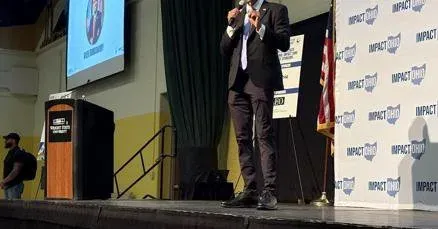
A ballot fight over property taxes is heating up, and entrepreneur Vivek Ramaswamy wants voters to know exactly what he thinks the stakes are. In a post on X on Thursday, October 22, 2026, the founder of Strive Asset Management and former co-lead of the Department of Government Efficiency (DOGE) advisory effort declared that property taxes are 'unjustly high' and that 'major reform is coming, starting in January.'
The binary Ramaswamy is drawing for voters
Ramaswamy framed the upcoming vote in stark, either-or terms: 'The choice on the ballot is between doubling property taxes versus slashing them.' The language is deliberately blunt — no hedging, no 'explore options.' For homeowners already strained by rising valuations, that framing lands with force.
Property taxes in the United States are set at the state and local level, which means their weight — and reform — varies dramatically by jurisdiction. When home values surge, assessments follow, and monthly bills can climb even when a family's income has not. That dynamic has made property tax relief a potent campaign issue across party lines in recent election cycles.
Why 'starting in January' matters
The specific phrase 'starting in January' signals an intent to act quickly if elected or if the relevant ballot measure passes — a classic first-hundred-days framing designed to project urgency and accountability. It also implicitly sets a clock: voters are being told reform is not a vague future promise but a date-stamped commitment.
Ramaswamy's political profile gives the statement weight beyond a routine campaign talking point. Having run for the 2024 Republican presidential nomination and co-led the high-profile DOGE advisory effort, he arrives at this ballot contest with a national platform and a reputation for radical-reform rhetoric backed by institutional credibility.
Homeowners in the crossfire of a fast-rising assessment cycle
The backdrop matters. Across many US markets, residential property values climbed sharply over the past several years, pulling tax assessments upward even as interest rates squeezed household budgets. Local governments, for their part, have often relied on that expanded tax base to fund schools, roads, and emergency services — making deep cuts politically and fiscally complicated. Candidates who promise dramatic relief must eventually answer how local budgets absorb the gap.
That tension — genuine homeowner pain versus genuine municipal need — is the fault line every property-tax-reform campaign runs along. Ramaswamy's post plants his flag firmly on the homeowner side, leaving the fiscal arithmetic for a later debate.
The votes will tell whether the electorate reads this ballot the same binary way he does.
Point of View
Wallet-first choice. It fits a broader pattern among DOGE-aligned reformers of treating government expenditure as inherently wasteful until proven otherwise. The 'starting in January' anchor is equally deliberate: it borrows the momentum of an election win and converts it into a pre-committed governing clock, making backsliding politically costly. Whether the proposal survives contact with local budget realities is the real test ahead.
NationPress
22 Oct 2026
Frequently Asked Questions
What did Vivek Ramaswamy say about property taxes?
Ramaswamy posted on October 22, 2026 that property taxes are 'unjustly high,' pledged major reform starting in January, and described the upcoming ballot as a choice between doubling or slashing them.
What is Vivek Ramaswamy's current role?
Ramaswamy is the founder and executive chairman of Strive Asset Management , a former co-lead of the Department of Government Efficiency (DOGE) advisory effort, and a 2024 Republican presidential candidate .
Why are property taxes a big issue in the US?
Property taxes are set at the state and local level in the United States. When home values rise sharply, tax assessments follow automatically, pushing up bills for homeowners even when their incomes have not increased — making property tax reform a recurring election issue.
When does Ramaswamy say property tax reform will begin?
Ramaswamy stated that 'major reform is coming, starting in January,' tying the pledge to a specific post-election timeline.
What is DOGE and what was Ramaswamy's role in it?
The Department of Government Efficiency (DOGE) was an advisory effort in the United States focused on cutting federal spending and bureaucracy. Ramaswamy served as its co-lead before departing to pursue electoral politics.