FBI's Operation Blackout seizes $17 bn from foreign scam centres, 20+ compounds destroyed
Synopsis
The US government's Operation Blackout has seized over $17 billion from international scam compounds — a figure that dwarfs most prior anti-fraud recoveries. With 20+ compounds demolished, 300 arrested in Africa just two weeks ago, and all 94 US Attorneys' offices now deployed, the Trump administration is running the most sweeping coordinated anti-scam offensive in American history.
Key Takeaways
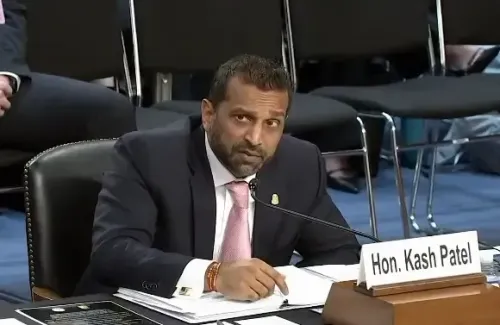
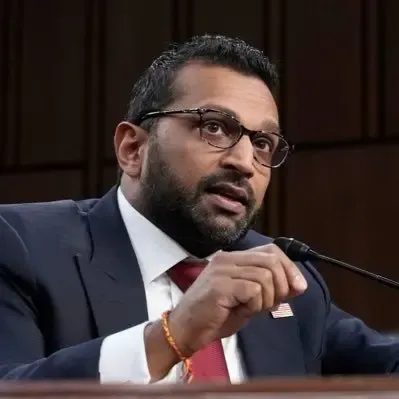
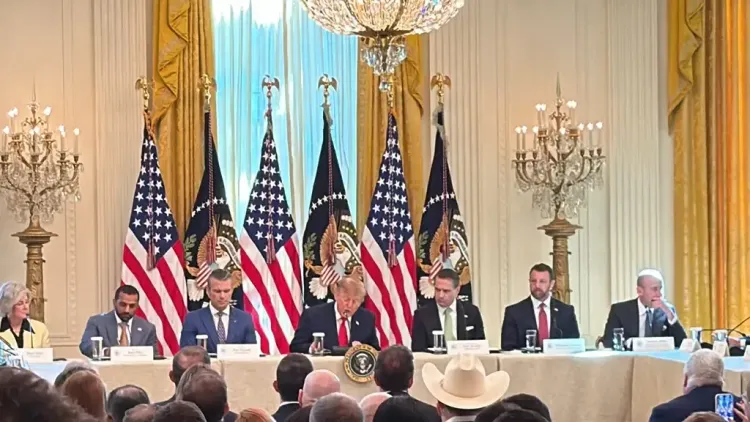
FBI Director Kash Patel announced $17 billion seized from foreign scam compounds under Operation Blackout at a White House roundtable on 22 October .
Over 20 compounds have been 'destroyed and demolished' across Southeast Asia , Africa , and the Middle East .
US authorities arrested 300 individuals and seized $15 million in Ghana and Nigeria just two weeks before the announcement.
In April , the FBI and Dubai Police dismantled at least 9 scam centres and arrested 276 individuals .
Federal law enforcement has prevented at least $1.6 billion in losses and frozen nearly $1 billion in cryptocurrency this year.
Meta , Google , Microsoft , and IBM have partnered with the FBI to shut down trafficking networks and fraudulent domains.
FBI Director Kash Patel announced on Wednesday, 22 October that the bureau and its partners have seized more than $17 billion from overseas scam compounds under Operation Blackout, marking a sweeping government-wide offensive by the Trump administration against international call centres and online fraud networks targeting American citizens.
What Operation Blackout Has Achieved
Speaking at a White House roundtable on cybercrime chaired by President Donald Trump, Patel declared: 'The Federal Bureau of Investigation, along with our partners at DOJ and the United States Attorney's offices, have seized over $17 billion from these scam compound fraud centres. Seized it. That means that's money we got back.'
Patel — the first Indian-American to lead the FBI — said the operation had 'destroyed and demolished over 20 compounds' run by criminal syndicates spread across Southeast Asia, Africa, and the Middle East. He described these operations as entire ecosystems: 'literally towns and ecosystems with traffic victims with cities and housing that they built an empire for criminal syndicates to fleece American citizens.'
Recent Arrests in Africa and Dubai
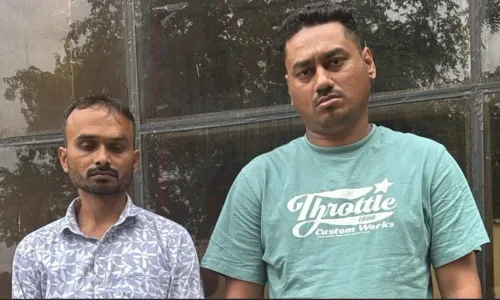
Patel confirmed that just two weeks ago, US authorities operated in Ghana and Nigeria, arresting 300 individuals and seizing an additional $15 million that was reportedly being siphoned from American senior citizens through scam centre operations.
Attorney General Todd Blanche disclosed that in April, the FBI and Dubai Police jointly announced the arrests of at least 276 individuals and the dismantlement of at least nine scam centres targeting Americans, with prosecutors unsealing charges against their managers and recruiters.
What the Trump Administration Has Done So Far This Year
President Trump, opening the session, stated that federal law enforcement had warned over 10,000 Americans targeted for victimisation and prevented at least $1.6 billion in losses in the current year alone. Authorities have also frozen nearly $1 billion in cryptocurrency linked to foreign scammers, shut down more than 500 fraudulent websites, and coordinated with technology companies to disrupt millions of online accounts used by foreign criminals.
Notably, the Justice Department last month seized the Shinbee Criminal Marketplace and restrained $52 million on the same day that the Treasury Department sanctioned it — a coordinated cross-agency strike that officials described as a new operational model.
Whole-of-Government Approach
Blanche outlined a multi-agency framework: the State Department is now refusing entry to scam operators, Homeland Security Investigations (HSI) is identifying networks alongside the FBI, and prosecutors deployed across all 94 US Attorneys' offices are pursuing entire networks rather than individual actors. 'There is no corner of government from which these predators can hide,' Blanche said.
A new 'scam centre cell' has been established with the Homeland Security Task Force specifically to ensure 'every case is built to take down not just one scammer, but the whole network.' However, Blanche did not specify how many visas had been refused or which nationalities were affected by the State Department's denial of entry to suspected operators.
Tech Giants Pulled In
Patel confirmed that major technology firms — including Meta, Google, Microsoft, and IBM — had 'shut down internet trafficking and domain networks' as part of the coordinated effort. He urged fraud victims to report to the FBI, saying: 'No piece of information is too small. We are not waiting for the scammers to hit our citizens. We are going out there in full force.'
This comes amid a broader global reckoning with scam compound networks — particularly those in Southeast Asia that have also been linked to human trafficking of workers forced to run fraud operations. The scale of Operation Blackout suggests the US crackdown is now one of the largest coordinated anti-fraud offensives in history.
Point of View
If sustained, marks a genuine break from prior reactive postures. What remains unaddressed is the human trafficking dimension embedded in many of these compounds, where victims are also perpetrators under coercion — a complexity that criminal charging frameworks have struggled to capture. The numbers are impressive; the accountability architecture is still being built.
NationPress
22 Oct 2026
Frequently Asked Questions
What is Operation Blackout?
Operation Blackout is a US government-wide anti-fraud initiative targeting overseas scam compounds and call centres that defraud American citizens. As of 22 October 2026, the FBI and its partners have seized over $17 billion and demolished more than 20 compounds across Southeast Asia, Africa, and the Middle East under the operation.
Who is Kash Patel and why is his role significant?
Kash Patel is the current FBI Director and the first Indian-American to hold that position. He led the announcement of Operation Blackout's results at a White House cybercrime roundtable chaired by President Donald Trump on 22 October 2026.
How much money has been recovered from scam centres so far?
The FBI and its partners have seized over $17 billion from scam compounds under Operation Blackout. In addition, federal law enforcement has frozen nearly $1 billion in cryptocurrency, seized $52 million from the Shinbee Criminal Marketplace, and recovered $15 million from a recent operation in Ghana and Nigeria.
Which countries have been targeted in the crackdown?
Operations have been conducted across Southeast Asia, Africa, and the Middle East. Recent arrests include 300 individuals in Ghana and Nigeria, and in April, the FBI and Dubai Police jointly dismantled at least nine scam centres and arrested 276 individuals in the UAE.
How is the US government coordinating this crackdown?
The Justice Department has deployed prosecutors across all 94 US Attorneys' offices, established a new scam centre cell with the Homeland Security Task Force, and enlisted the State Department to deny visas to scam operators. Tech companies including Meta, Google, Microsoft, and IBM are also partnering with the FBI to shut down fraudulent networks.