CM Dhami Clears ₹86 Lakh for Disaster Relief, Infrastructure
Synopsis
Chief Minister Pushkar Singh Dhami has sanctioned over ₹86 lakh across three Uttarakhand districts — rental relief for five landslide-displaced families in Uttarkashi, ₹49.95 lakh for temple restoration in Dehradun's Dharampur, and ₹58.14 lakh for a bridge in Pithoragarh's DDihat constituency.
Key Takeaways
₹1.20 lakh sanctioned for five landslide-displaced families in Uttarkashi's Sauli ward at ₹4,000/month for six months . ₹49.95 lakh approved for remaining renovation works at Sansari Mata Temple , Sevalakalan, Dehradun. ₹58.14 lakh sanctioned for a bridge at Garali, DDihat constituency, Pithoragarh ; first instalment of ₹34.88 lakh cleared immediately.
Approvals span three districts: Dehradun, Pithoragarh, and Uttarkashi .
The sanctions reflect the state's standard post-monsoon cycle of fast-tracked district-level infrastructure and relief funding.
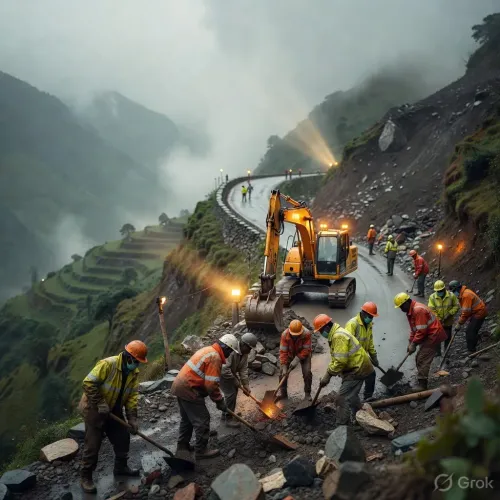
When monsoon rains carve through the Himalayas, the damage does not stop at broken slopes — it breaks families loose from their homes. Chief Minister Pushkar Singh Dhami has approved a package of financial sanctions totalling over ₹86 lakh covering disaster-relief rental support, a temple renovation, and a bridge construction project across three Uttarakhand districts, the Chief Minister's Office announced on Saturday, 17 October 2026.
Five Families in Uttarkashi Get a Roof Over Their Heads
The most immediate relief goes to five families in Ward No. 07, Sauli, under Nagar Panchayat Naugaon in Uttarkashi district — households displaced by heavy rainfall and landslides. The state has sanctioned ₹1.20 lakh to cover rental accommodation at ₹4,000 per family per month for six months. It is a modest sum, but for a family forced out of a hillside home, it is the difference between shelter and exposure.
Uttarkashi sits deep in the Garhwal Himalayas and is among the districts most vulnerable to monsoon-triggered landslides. Rental support of this kind — small tranches, fast-tracked — is a standard first-response tool the state government deploys while longer-term rehabilitation is planned.
Sansari Mata Temple Renovation in Dharampur Gets ₹49.95 Lakh
In Dehradun district, the government has approved ₹49.95 lakh for the remaining restoration work on the Sansari Mata Temple in Sevalakalan, Ward No. 86, falling under the Dharampur Assembly constituency. The funds cover what the official communication describes as 'jeernoddhaar ke avashesh karya' — jeernoddhaar ke avashesh karya (the residual works of renovation) — suggesting an ongoing restoration project now receiving its concluding tranche of state support.
Bridge at Garali in DDihat Constituency: ₹58.14 Lakh Sanctioned
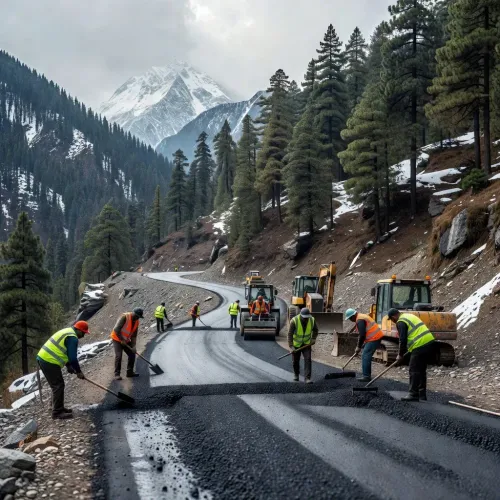
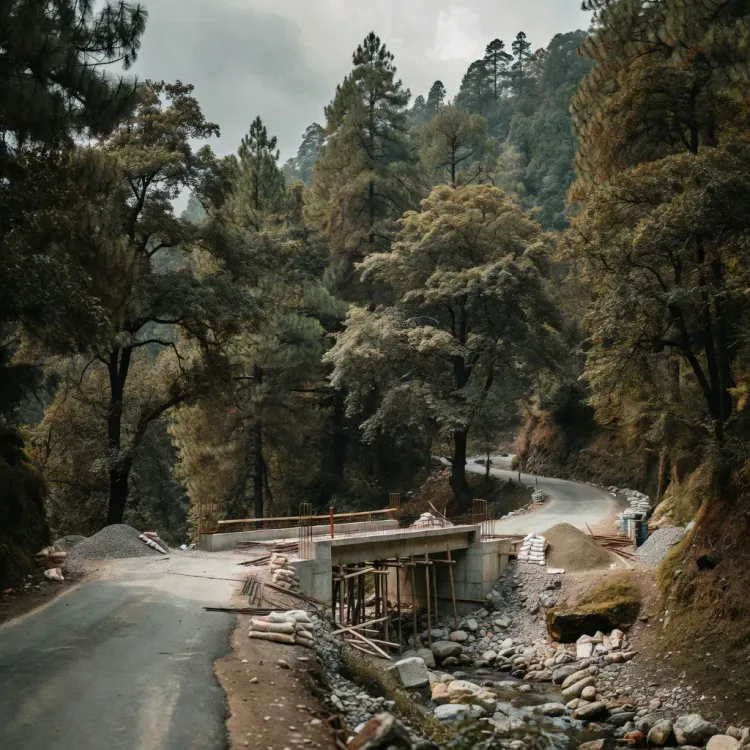
The largest single infrastructure approval in this package goes to Pithoragarh district: ₹58.14 lakh for construction of a culvert-bridge (puliya) at Garali in the DDihat Assembly constituency. Of this, a first instalment of ₹34.88 lakh has been immediately cleared, signalling that groundwork can begin without delay. Small bridges of this kind are lifelines in Uttarakhand's terrain — they connect villages to markets, schools, and hospitals across seasonal streams that swell dangerously during the rains.
A Pattern Written in the Mountains
This batch of sanctions fits a well-established rhythm in Uttarakhand's governance calendar. Post-monsoon, the state machinery processes a wave of district-level approvals: bridge repairs, temple restorations, and temporary housing grants for landslide-affected households. CM Dhami, in office since 2021, has consistently used this mechanism to channel funds to constituency-level needs without waiting for large omnibus budgets.
The real test, as always, will be in execution — whether the bridge at Garali rises before the next monsoon, whether the temple in Sevalakalan is restored on schedule, and whether the five families in Sauli receive their monthly rental support without bureaucratic delay.
Point of View
Constituency-level funds keeps the state machinery visible and responsive at the ward level, a political calculus as much as an administrative one. The real governance question is whether utilisation and physical delivery match the speed of financial sanction — a gap that has historically plagued hill-state infrastructure. Until monitoring mechanisms are strengthened, each fresh tranche of approval carries the same unresolved question about last-mile execution.
NationPress
17 Oct 2026
Frequently Asked Questions
How much money did CM Dhami sanction for landslide-affected families in Uttarkashi?
CM Dhami sanctioned ₹1.20 lakh for five families displaced by landslides in Sauli, Ward No. 07, Nagar Panchayat Naugaon, Uttarkashi — paid at ₹4,000 per family per month for six months to cover rental accommodation.
What is the Sansari Mata Temple renovation project in Dehradun?
The Sansari Mata Temple in Sevalakalan, Ward No. 86, under the Dharampur Assembly constituency in Dehradun district, is undergoing state-funded restoration. The latest sanction of ₹49.95 lakh covers the remaining renovation works.
How much has been approved for the Garali bridge in Pithoragarh?
₹58.14 lakh has been sanctioned for culvert-bridge construction at Garali in the DDihat Assembly constituency, Pithoragarh. A first instalment of ₹34.88 lakh has been immediately approved to begin work.
Why does Uttarakhand frequently sanction small infrastructure funds post-monsoon?
Uttarakhand's Himalayan terrain makes it highly vulnerable to monsoon-triggered landslides and floods. Post-monsoon, the state government routinely fast-tracks district-level approvals for bridge repairs, temporary housing, and community infrastructure to restore connectivity and safety.
Which districts received funds in CM Dhami's latest infrastructure sanction?
Three districts received approvals: Dehradun (temple renovation), Pithoragarh (bridge construction), and Uttarkashi (rental support for landslide-displaced families).