CM Fadnavis urges universities to lead cancer research
Synopsis
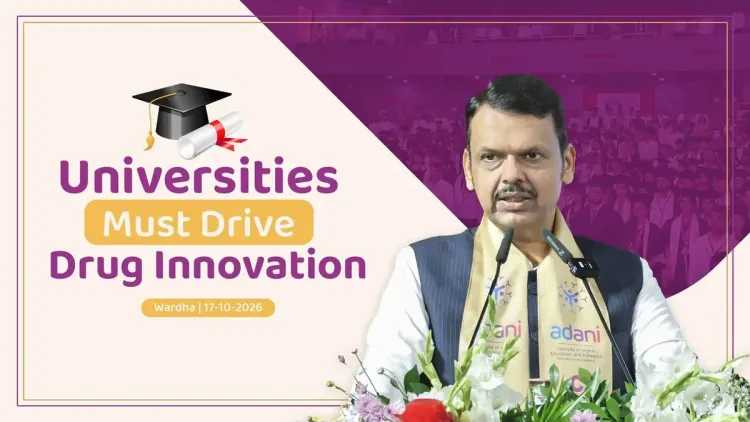
Maharashtra CM Devendra Fadnavis, at the 17th Convocation of the Adani Institute of Higher Education and Research in Wardha, urged universities to spearhead innovation in cancer treatment through research and domestic drug discovery, echoing NEP 2020 goals and India's pharmaceutical self-reliance push.
Key Takeaways
Devendra Fadnavis addressed the 17th Ceremonial Convocation 2026 of the Adani Institute of Higher Education and Research in Wardha on 17 October 2026 .
He called on universities to drive innovation in cancer treatment through research and drug discovery.
The appeal was made in both English and Marathi, signalling broad public intent.
The push aligns with the National Education Policy 2020 's mandate for stronger research ecosystems in health sciences.
Maharashtra has been actively encouraging academic-healthcare linkages as part of India's pharmaceutical self-reliance goals.
Follow-up state announcements on funding or partnerships for university-based cancer research will be key to watch.
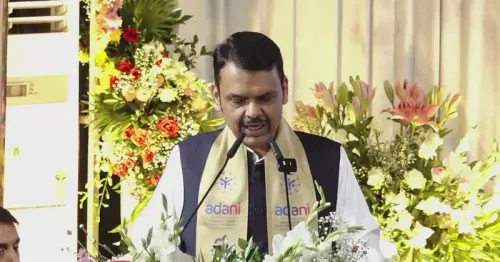
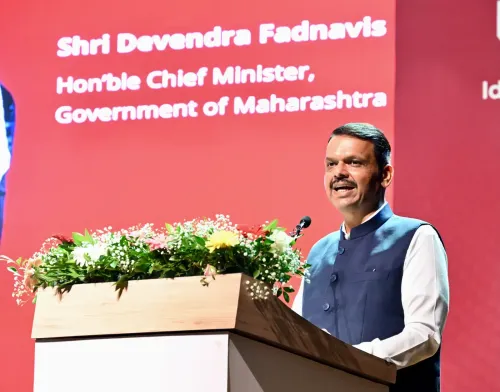
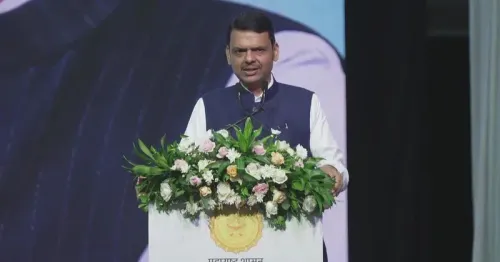
At a convocation stage in Wardha, Maharashtra Chief Minister Devendra Fadnavis sent a pointed message to India's higher education community on Saturday, 17 October 2026: universities cannot stay on the sidelines of the country's fight against cancer. Speaking at the 17th Ceremonial Convocation 2026 of the Adani Institute of Higher Education and Research, Fadnavis called on academic institutions to actively drive innovation in oncology through research and drug discovery.
Addressing graduates and faculty, the Chief Minister urged, 'Universities must drive innovation in cancer treatment through research and drug discovery' — a call he reinforced in Marathi: 'कर्करोगावरील उपचारांसाठी संशोधन आणि औषधनिर्मितीतील नव्या शोधांच्या माध्यमातून विद्यापीठांनी नवसंशोधनाला चालना दिली पाहिजे' ('Universities must drive new research through discoveries in research and drug production for cancer treatment').
Why Wardha's convocation stage became a health-policy moment
The Adani Institute of Higher Education and Research, based in Wardha in eastern Maharashtra, sits in a region historically associated with medical education and social welfare institutions. Fadnavis's choice to use a convocation address — a moment aimed squarely at the next generation of researchers — to spotlight cancer treatment underlines how urgently state leadership wants academia to move from classroom to lab bench to clinic.
The push aligns with the National Education Policy 2020, which explicitly called on higher education institutions to strengthen research and innovation ecosystems, including in health sciences. Indian state governments have increasingly encouraged universities to contribute to domestic drug discovery and oncology research as part of broader pharmaceutical self-reliance goals. Maharashtra has been positioning its higher education sector to build those bridges between academia and healthcare needs.
The gap CM Fadnavis wants universities to close
Cancer remains one of India's most pressing public health burdens, with demand for affordable, domestically developed treatments growing year on year. Yet the pipeline from university research to actual drug development has historically been thin. Fadnavis's call is a direct challenge to institutions: the talent graduating in these halls must turn toward solving problems that affect millions of patients. The stakes are tangible, not abstract.
Whether the address translates into concrete state funding commitments or formal university-industry partnerships for oncology research will be the measure of its impact — and Maharashtra's education and health departments will be watched closely for follow-through.
Point of View
Particularly in high-burden disease areas like oncology. The speech lands at the intersection of NEP 2020's research mandate and the Centre's broader push to reduce dependence on imported cancer drugs. For a state with significant medical education infrastructure, the call is a credibility test: the real measure will be whether it generates tangible state funding, regulatory support, or structured industry-academia partnerships in the months ahead. Without follow-through, it risks remaining a convocation sentiment rather than a policy shift.
NationPress
17 Oct 2026
Frequently Asked Questions
What did Devendra Fadnavis say about cancer research at the Wardha convocation?
Fadnavis urged universities to drive innovation in cancer treatment through research and drug discovery, making the call in both English and Marathi at the 17th Ceremonial Convocation of the Adani Institute of Higher Education and Research in Wardha on 17 October 2026.
Where is the Adani Institute of Higher Education and Research located?
The Adani Institute of Higher Education and Research is located in Wardha, a district in eastern Maharashtra.
How does NEP 2020 relate to university cancer research in India?
The National Education Policy 2020 called for higher education institutions to strengthen research and innovation ecosystems, including in health sciences, providing the policy foundation for calls like Fadnavis's.
Why is Maharashtra focusing on university-led drug discovery?
Indian state governments, including Maharashtra, have increasingly encouraged universities to contribute to domestic drug discovery and oncology research as part of broader pharmaceutical self-reliance goals.
What follow-up actions are expected after Fadnavis's convocation speech?
Analysts and stakeholders will watch for state announcements on dedicated funding schemes or formal partnerships between Maharashtra universities and the healthcare or pharmaceutical sector for cancer research.