Trump says Putin freed American Hubbard with 'nothing in exchange'
Synopsis
Trump announced Russia freed detained American Stephen Hubbard after he personally asked Putin during a phone call — claiming the US gave up nothing in return. The revelation, made at the White House, came bundled with Trump's claim that Ukraine peace talks are closer than ever and his praise for Russia and China's restrained role in the Iran conflict.
Key Takeaways
Stephen Hubbard , an American detained in Russia, was released on 22 October 2025 after President Trump personally requested his freedom during a call with Vladimir Putin .
Trump insisted the US 'gave nothing in exchange' — a claim that contrasts with earlier high-profile prisoner swaps that involved concessions.
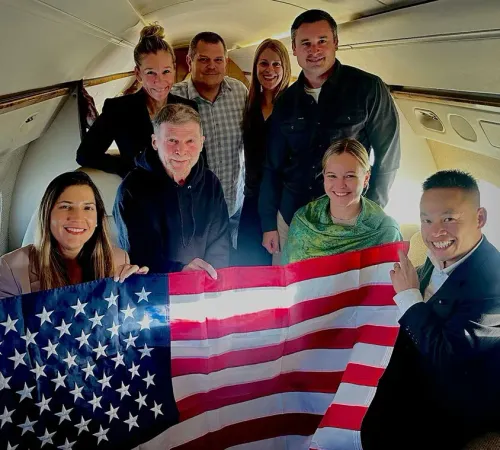
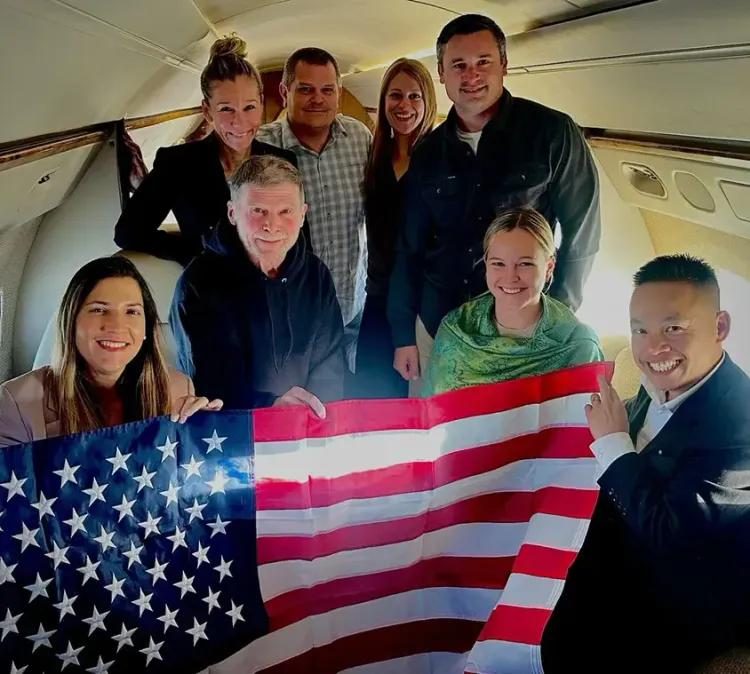
Special envoy Steve Witkoff accompanied Hubbard on his return flight, along with his family.
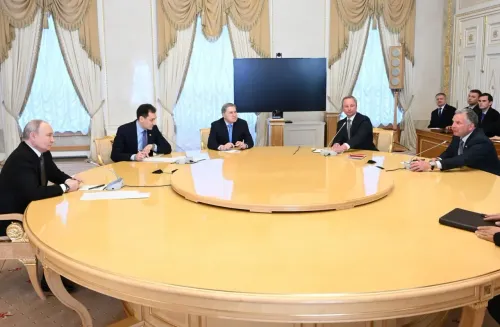
Trump said Ukraine peace talks are at their 'closest' point yet, citing the Hubbard release as evidence of a functioning US-Russia back-channel.
Trump praised both Russia and China for limited participation in the Iran conflict and cited Iran's inflation at 301% as evidence of its economic collapse.
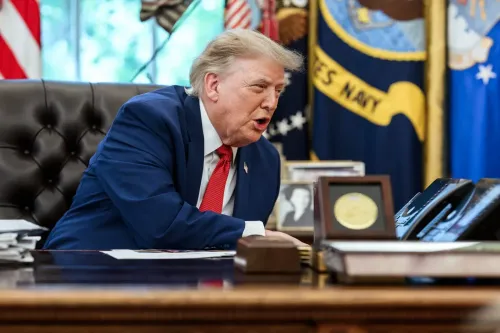
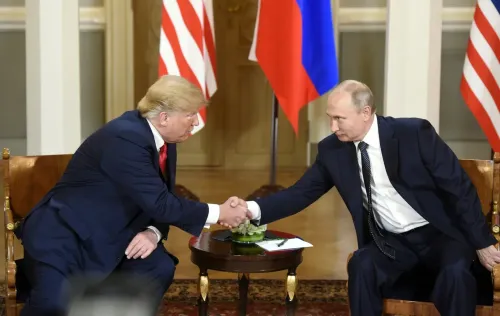
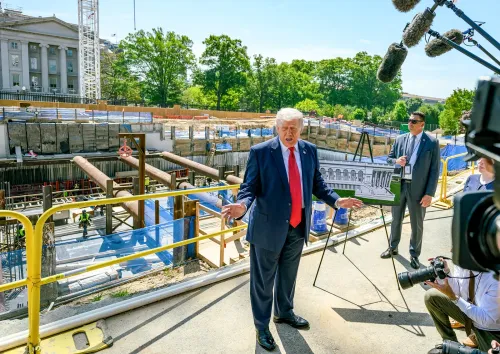
US President Donald Trump on Wednesday, 22 October 2025 announced that Russia had released detained American citizen Stephen Hubbard following a personal request Trump made to Russian President Vladimir Putin during a phone call — and insisted that Washington had conceded nothing to secure the release. The disclosure came during a question session at the White House following a roundtable on cybercrime and scams.
How the Release Happened
'I was talking to Vladimir Putin about settling his war with Ukraine, which I think we're getting closer to, by the way, maybe now, the closest we've been. But I mentioned, could you let Stephen Hubbard out, please? And he agreed to do it,' Trump told reporters. Trump added that Steve Witkoff, his special envoy, had met Hubbard in Russia and was accompanying him on a flight back along with his family.
'I spoke to him this morning. He is the happiest man around,' Trump said, noting that Hubbard's family 'didn't think he'd come out for 20, 25 years.' The release, framed by Witkoff as humanitarian in nature, draws attention to the quiet diplomatic back-channel Trump has maintained with Moscow even as the Ukraine conflict drags on.
Trump's 'Nothing in Exchange' Claim
'We gave nothing in exchange, which is very rare. We never give anything in exchange,' Trump said. 'Once you give, you'll end up quadrupling the problem.' The assertion is notable given that prior high-profile prisoner swaps — including those involving WNBA star Brittney Griner in 2022 — involved the release of Russian nationals held in US custody. Trump did not elaborate on what, if any, assurances were communicated during the call.
He also pushed back against critics who had reportedly urged tougher measures against Moscow. 'If we did what these foolish people wanted me to do, he wouldn't be coming out right now. He'd be in there for another 20 years,' Trump said. 'The last thing I want to do is upset an apple cart where we're getting close to settling a war.' He did not specify what actions those critics had sought.
Remarks on Iran and the Role of Russia and China
Trump used the briefing to deliver a sweeping assessment of Iran's weakened position. 'We've taken Iran down to levels that they've never seen before. They're very low. Their military is completely gone,' he said, adding that Iran's economy was devastated and that its leadership had been decimated across multiple generations. He cited an inflation rate of 301 per cent in Iran 'as of this morning.'
Trump notably praised both Russia and China for what he described as limited involvement in the Iran conflict. 'A very important element is the fact that Russia and China have not participated, or participated in a much smaller way than they could have,' he said. He referenced Chinese President Xi Jinping's visit to the US a week prior and suggested Beijing, like Moscow, preferred to see conflicts resolved diplomatically. 'The fact is both of them would like to see the war settled,' Trump said, though he did not clarify which conflict he was referring to in that specific remark, nor what role China was playing.
Significance and What Comes Next
The Hubbard release is the latest in a series of prisoner-related diplomacy moves under Trump, who has used personal rapport with foreign leaders as a lever for such outcomes. This comes amid an active — if opaque — US effort to broker a Ukraine ceasefire, with Trump claiming the talks are at their closest point yet. Observers will watch whether the Hubbard release signals a broader thaw in US-Russia relations, or remains an isolated goodwill gesture with no structural impact on the war's trajectory.
Point of View
If anything, was communicated informally to Moscow. The more consequential signal is that Trump is treating prisoner releases as a barometer of diplomatic warmth, which risks creating incentives for adversaries to detain Americans as future bargaining chips. His simultaneous praise for Russian and Chinese 'restraint' on Iran also blurs the line between neutral observation and tacit endorsement of their geopolitical calculations. If Ukraine talks are genuinely close, the Hubbard release may be a deliberate confidence-building measure — but Trump's reluctance to specify terms leaves accountability entirely in the dark.
NationPress
22 Oct 2026
Frequently Asked Questions
Who is Stephen Hubbard and why was he detained in Russia?
Stephen Hubbard is an American citizen who was detained in Russia. Trump said his family feared he would spend '20 to 25 years' in Russian custody, though the specific charges or circumstances of his detention were not detailed in Trump's remarks.
How did Trump secure Stephen Hubbard's release?
Trump said he raised Hubbard's case directly with Russian President Vladimir Putin during a phone call focused primarily on Ukraine peace talks, asking Putin to release him. Putin agreed, and Hubbard was subsequently met in Russia by special envoy Steve Witkoff before being flown home with his family.
Did the US give anything to Russia in exchange for Hubbard's release?
Trump stated emphatically that the US 'gave nothing in exchange,' calling it rare. He did not, however, disclose full details of the phone call or whether any informal assurances were communicated to Moscow.
What did Trump say about the Ukraine peace talks?
Trump claimed that US-Russia talks on ending the Ukraine war are 'the closest we've been,' suggesting the Hubbard release reflects a functioning diplomatic channel. He did not provide specific details on the status or framework of any proposed settlement.
Why did Trump praise Russia and China over Iran?
Trump said both Russia and China had 'not participated, or participated in a much smaller way than they could have' in the Iran conflict, which he framed as a positive development. He linked this to broader diplomatic engagement, including a recent visit by Chinese President Xi Jinping to the US.