CM Samrat Choudhary Chairs High-Level Bihar Health Review
Synopsis
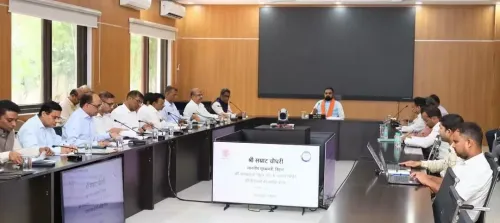
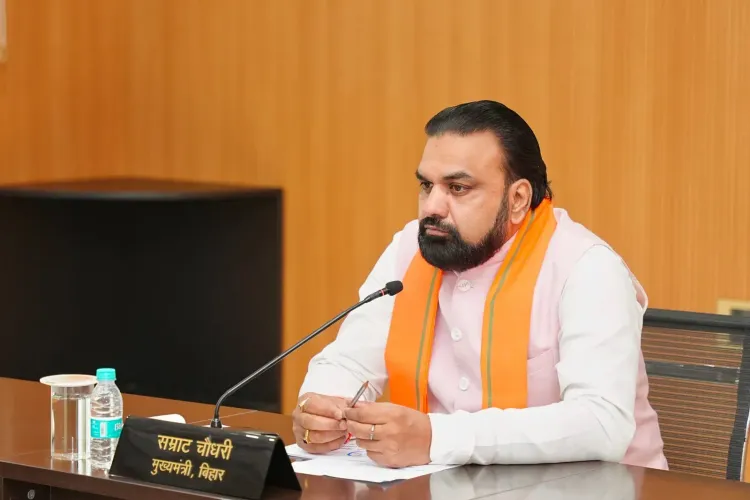
Chief Minister Samrat Choudhary on 2 July 2026 chaired a high-level Bihar Health Department review at Lok Sewak Awas in Patna, directing officials to adopt a concrete action plan for more effective, transparent, and citizen-focused health services.
Key Takeaways
CM Samrat Choudhary personally chaired the high-level Bihar Health Department review meeting on 2 July 2026 .
The meeting was held at the Sankalp auditorium inside Lok Sewak Awas , Patna.
Officials were directed to work with a concrete action plan ( thhos karyayojna ) for health service delivery.
Key directives focused on making services more effective , transparent , and citizen-oriented .
The review follows Bihar's long-standing administrative practice of CM-led departmental oversight in the health sector.
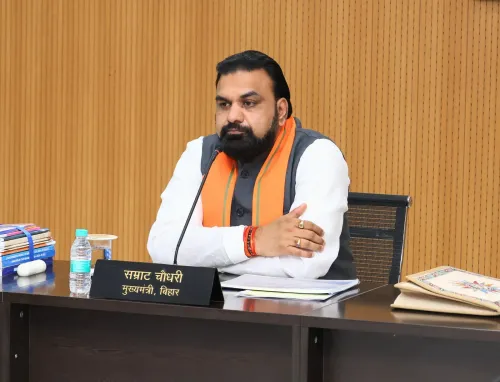
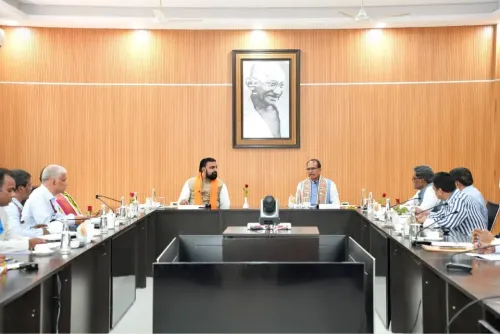
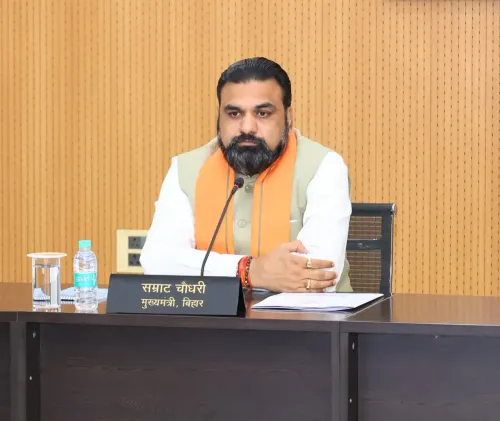
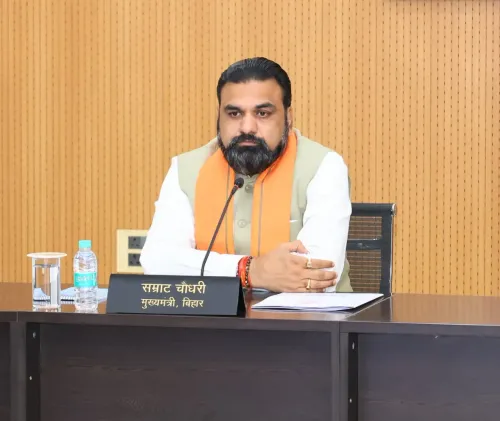
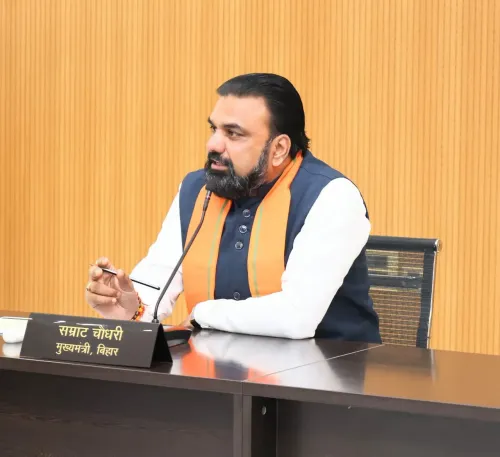
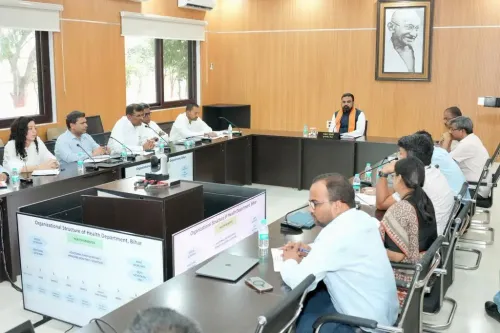
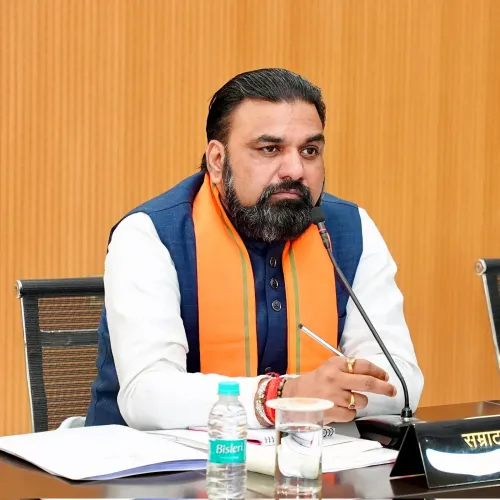
The Chief Minister's Office of Bihar announced on Thursday, 2 July 2026, that Chief Minister Samrat Choudhary chaired a high-level review meeting of the Health Department at the Sankalp auditorium within Lok Sewak Awas, Patna, directing officials to work with a concrete action plan to make health services more effective, transparent, and citizen-oriented.
The official post read: 'Mananiya Mukhyamantri Shri Samrat Choudhary ji ne aaj Lok Sewak Awas sthit Sankalp sabhagar mein Swasthya Vibhag ki uchch-stariya samiksha baithak ki' — ('The honourable Chief Minister Shri Samrat Choudhary today held a high-level review meeting of the Health Department at the Sankalp auditorium located at Lok Sewak Awas') — and directed officers to work with a 'solid action plan' (thhos karyayojna) toward more effective, transparent, and people-centric health services.
Context
The meeting was held at the Sankalp auditorium inside Lok Sewak Awas, the official government complex in Patna that serves as a primary venue for high-level administrative deliberations. CM Samrat Choudhary personally presided, signalling the administration's direct attention to the state of public health delivery. Senior officials of the Bihar Health Department were present and received instructions from the Chief Minister.
Policy Backdrop
Bihar governments have long used CM-led departmental reviews as a governance mechanism to assess implementation gaps and redirect administrative energy. Health has remained a persistent priority given the state's large rural population and the challenges of ensuring last-mile service delivery. The emphasis on transparency and citizen-orientation in the directives aligns with a broader pattern of accountability-focused administrative reform seen across Indian states.
Stakeholders and Impact
The primary stakeholders are the residents of Bihar — particularly those dependent on government hospitals, primary health centres, and community health workers — who stand to benefit if the directed action plan translates into improved services on the ground. Health officials and district-level administrators bear direct responsibility for executing the Chief Minister's directives. The focus on effectiveness, transparency, and public outreach suggests the review covered both service quality and governance accountability within the department.
What's Next
Attention will now turn to whether the Bihar Health Department formalises and publishes the action plan discussed in the meeting, and whether follow-up reviews or budget reallocations are announced. Observers of Bihar's governance will watch for measurable outcomes — such as improved facility infrastructure, reduced vacancies in health posts, or stronger disease-surveillance mechanisms — that demonstrate the meeting's directives moving from intent to implementation.
Point of View
Making periodic high-visibility reviews a way to demonstrate intent even before outcomes materialise. The emphasis on 'transparency' in the directives suggests the administration is aware of public scepticism about government health systems. Whether this review produces a published, time-bound action plan will be the real test of its seriousness.
NationPress
1 Oct 2026
Frequently Asked Questions
What did CM Samrat Choudhary announce about Bihar health services?
CM Samrat Choudhary directed Bihar Health Department officials on 2 July 2026 to work with a concrete action plan to make health services more effective, transparent, and citizen-oriented.
Where was the Bihar health department review meeting held?
The meeting was held at the Sankalp auditorium inside Lok Sewak Awas, the official government complex in Patna.
What is Lok Sewak Awas in Patna?
Lok Sewak Awas is an official government complex in Patna that houses administrative offices and meeting venues, including the Sankalp auditorium used for high-level government reviews.
What is the Bihar government's focus in the health sector?
The Bihar government has directed its Health Department to focus on making public health services more effective, transparent, and people-centric, as stated in the 2 July 2026 review chaired by CM Samrat Choudhary.
Who is Samrat Choudhary?
Samrat Choudhary is the Chief Minister of Bihar who chaired the high-level Health Department review meeting on 2 July 2026 at Lok Sewak Awas in Patna.