CM Samrat Choudhary Chairs Deregulation Review Meet
Synopsis
Bihar Chief Minister Samrat Choudhary chaired a high-level review on Compliance Reduction and Deregulation on June 1, 2026, directing departments to eliminate redundant compliances, ease investment conditions, and fast-track implementation of central government reform mandates under the Viksit Bharat and Samridh Bihar vision.
Key Takeaways
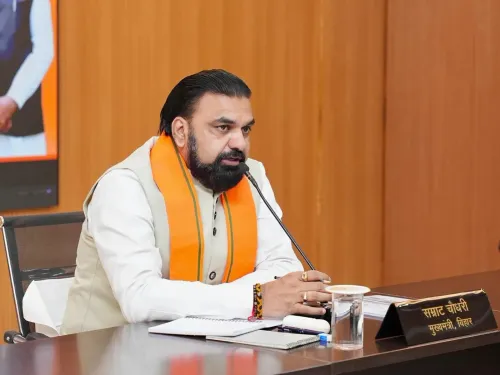
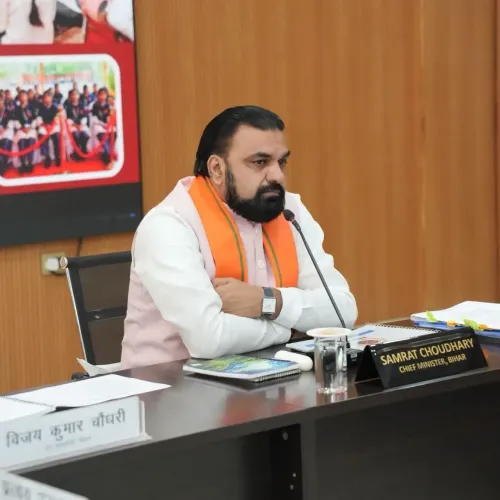
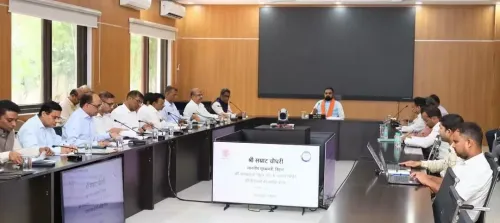
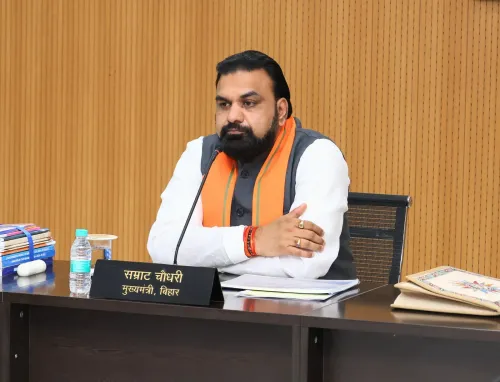
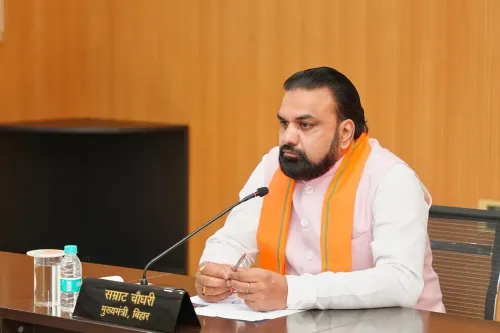
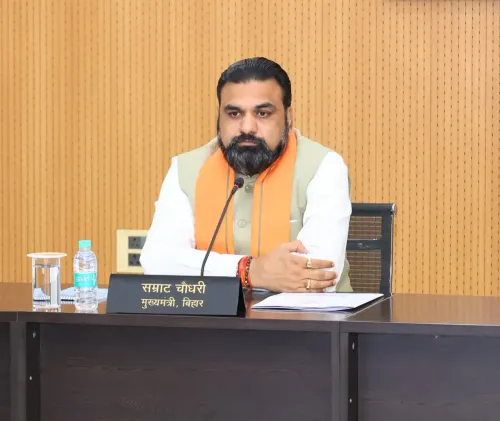
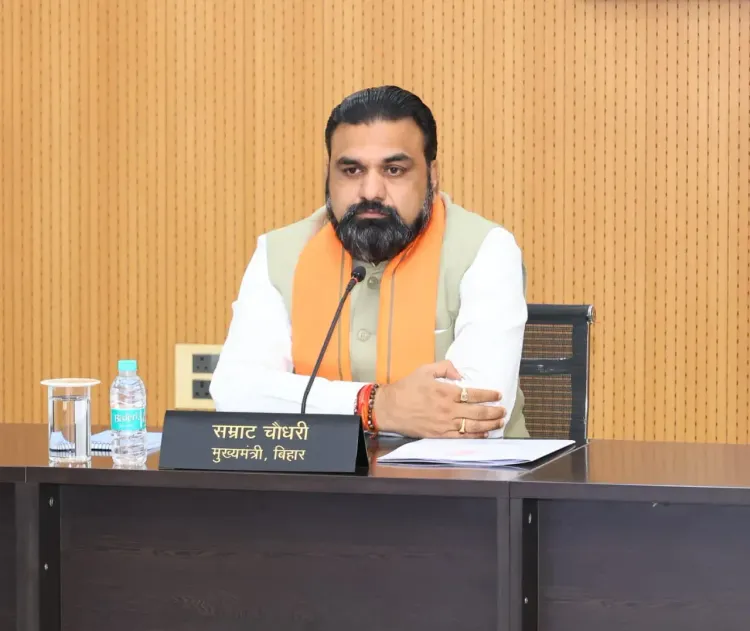
CM Samrat Choudhary chaired a high-level review on Compliance Reduction and Deregulation at Sankalp Sabhagar, Lok Sewak Aawas on June 1, 2026 .
Key directive: eliminate unnecessary compliances to ease the environment for investment, industry, and trade in Bihar.
Departments were asked to review swift implementation of Government of India directives on compliance reduction.
Citizen services are to be made simpler, more transparent, and more effective as part of the reform push.
Detailed discussions were held on departmental reform action plans , with rollout expected in coming months.
The initiative aligns Bihar's governance agenda with the national Viksit Bharat 2047 vision and the DPIIT Business Reforms Action Plan framework.
Bihar Chief Minister Samrat Choudhary on Monday, June 1, 2026, chaired a high-level review meeting on Compliance Reduction and Deregulation at Sankalp Sabhagar, Lok Sewak Aawas in Patna, issuing key directives to departments aimed at easing the business environment and simplifying citizen services across the state.
Context
Posting on X, CM Choudhary outlined five priority actions from the meeting: eliminating unnecessary compliances, developing a conducive environment for investment, industry, and trade, making citizen services simpler and more transparent, reviewing the swift implementation of the Government of India's directives on compliance reduction, and holding detailed discussions on reform action plans across various departments. In his words, the focus was on 'निवेश, उद्योग एवं व्यापार के लिए सुगम वातावरण' [creating a smooth environment for investment, industry, and trade].
The meeting was held under the twin hashtags #विकसित_भारत (Viksit Bharat) and #समृद्ध_बिहार (Prosperous Bihar), signalling alignment between Bihar's state-level reform agenda and India's national development vision for 2047.
Policy Backdrop
The meeting sits within a well-established national reform architecture. The DPIIT Business Reforms Action Plan, implemented annually by states since 2015, has been the central instrument for reducing regulatory burdens and improving ease of doing business rankings across India. States are evaluated on the depth and pace of their compliance reforms, with rankings directly influencing investor perception.
The Jan Vishwas (Amendment of Provisions) Act, 2023 further reinforced this direction by decriminalising minor offences, thereby lowering compliance costs for both businesses and citizens. Bihar's high-level review suggests the state is now conducting an internal audit of how swiftly its departments have aligned with these central mandates.
The broader philosophy traces to the Minimum Government, Maximum Governance doctrine that has shaped Indian administrative reform since 2014. Compliance reduction is one of its most tangible expressions, cutting the number of licences, inspections, and filings that businesses must navigate before and after setting up operations.
Stakeholders and Impact
Investors and industries eyeing Bihar stand to benefit most directly if the review translates into measurable cuts in procedural requirements. Bihar has been working to shed its historically difficult reputation on ease of doing business, and high-level political attention to deregulation sends a clear signal to prospective industrial partners.
Citizens are the other key constituency. Simplifying government-to-citizen services — reducing paperwork, digitising approvals, and making processes more transparent — directly affects how ordinary residents access welfare schemes, land records, and public utilities. CM Choudhary's emphasis on making services 'सरल, पारदर्शी एवं प्रभावी' [simple, transparent, and effective] reflects this dual focus on economic and social governance.
What's Next
The immediate deliverable from the meeting is the rollout of departmental reform action plans discussed at the session. Each department is expected to identify and phase out redundant compliances in line with central directives. Progress on these plans will be a key indicator of whether the review produces structural change or remains at the level of intent.
Observers will also watch for updates to Bihar's industrial policy and citizen service delivery frameworks in the coming months. If the state moves up in national ease-of-doing-business assessments in the next annual cycle, it would validate the reform push that CM Choudhary has now publicly anchored at the highest political level.
Point of View
Reinforcing the Chief Minister's positioning as an executor of the Centre's reform agenda rather than an independent actor. The emphasis on reviewing 'swift implementation' of central directives also implies an internal accountability push — suggesting departments have not moved fast enough on earlier mandates. Whether this translates into measurable ranking improvements or industrial investment announcements will determine the political dividend CM Choudhary extracts from this reform posture.
NationPress
21 Oct 2026
Frequently Asked Questions
What is the Compliance Reduction and Deregulation meeting held by Bihar CM Samrat Choudhary about?
The meeting, chaired by CM Samrat Choudhary on June 1, 2026, focused on eliminating unnecessary regulatory compliances, easing the business environment in Bihar, simplifying citizen services, and reviewing departmental implementation of central government deregulation directives.
What is the DPIIT Business Reforms Action Plan and how does it relate to Bihar?
The DPIIT Business Reforms Action Plan is an annual framework implemented by Indian states since 2015 to reduce regulatory burdens and improve ease of doing business rankings. Bihar's compliance review is part of its effort to align with this national framework.
What is the Jan Vishwas Act 2023 and why is it relevant to Bihar's deregulation push?
The Jan Vishwas (Amendment of Provisions) Act 2023 decriminalised minor offences under several laws, reducing compliance costs for businesses and citizens. Bihar's review meeting is aimed at fast-tracking implementation of such central reforms at the state level.
How does Bihar's deregulation drive connect to Viksit Bharat 2047?
Viksit Bharat 2047 is India's vision to become a developed nation by its centenary of independence. Bihar's compliance reduction efforts are framed as a state-level contribution to this national goal, with CM Choudhary using the hashtag 'Viksit Bharat' to signal this alignment.
What will happen after the Bihar Compliance Reduction review meeting?
Each department is expected to roll out a reform action plan to phase out redundant compliances. Progress on these plans and any updates to Bihar's industrial policy in coming months will indicate whether the review produces structural change.