CM Samrat Choudhary Chairs High-Level Deregulation Review in Patna
Synopsis
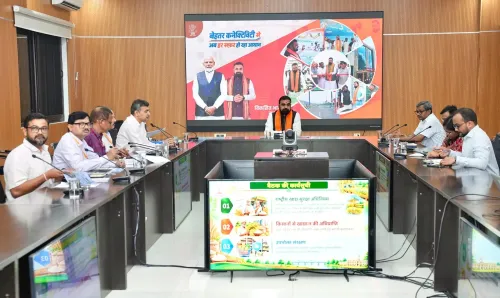
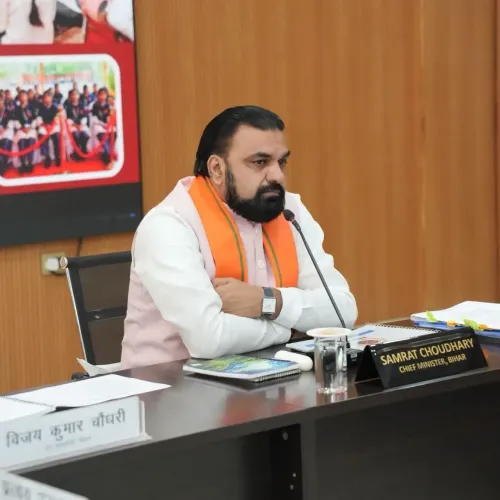
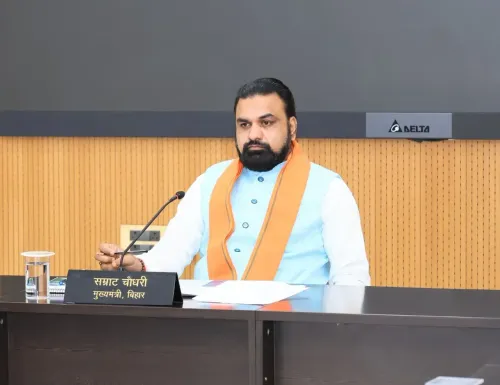
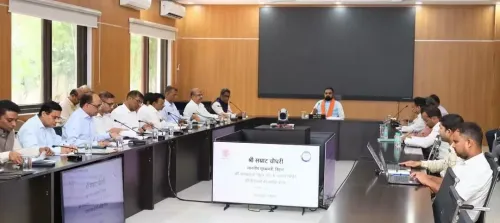
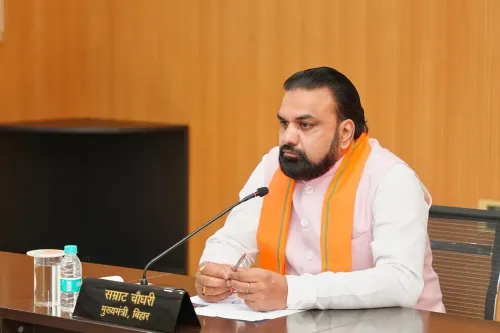
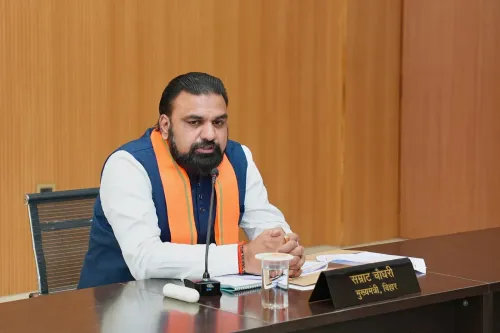
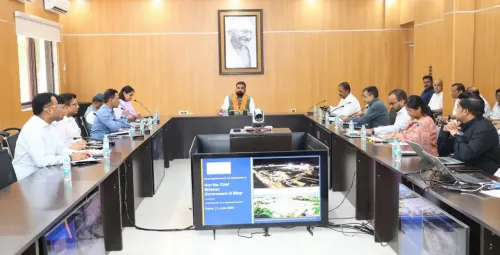
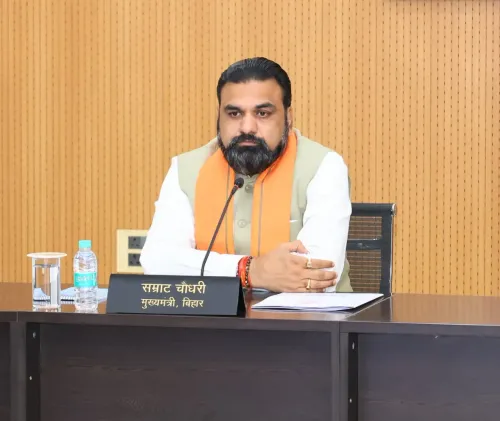
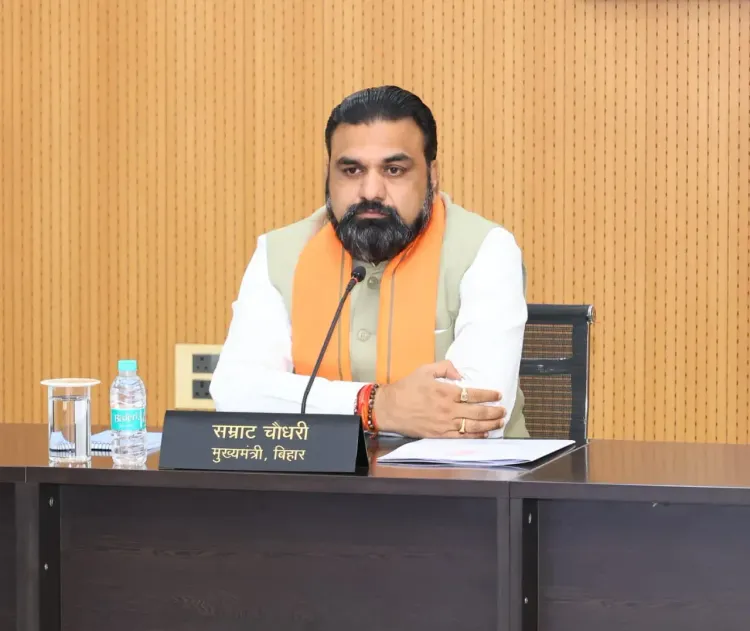
Bihar Chief Minister Samrat Choudhary on 1 June 2026 chaired a high-level review meeting on Compliance Reduction and Deregulation at Sankalp Sabhagar in Patna, signalling a push to cut red tape and improve the state's business environment.
Key Takeaways
Chief Minister Samrat Choudhary chaired the meeting on 1 June 2026 .
The meeting focused on Compliance Reduction and Deregulation — a formal review of regulatory burden.
The venue was Sankalp Sabhagar at Lok Sevak Avas , Patna, used for top-level policy deliberations.
Bihar's action aligns with the central government's BRAP (Business Reforms Action Plan) framework.
Key beneficiaries include businesses and government departments seeking reduced procedural burden.
Follow-up government orders on specific compliance reductions are the immediate next step to watch.
The Chief Minister's Office of Bihar announced on Monday, 1 June 2026 that Chief Minister Samrat Choudhary chaired a high-level review meeting on Compliance Reduction and Deregulation at the Sankalp Sabhagar in Lok Sevak Avas, Patna.
The official post stated: 'Compliance Reduction and Deregulation se sambandhit uchch-stariya samiksha baithak' — a high-level review meeting on compliance reduction and deregulation — was convened at the Chief Minister's official residence complex.
Context
The meeting signals Bihar's continued engagement with the national push to reduce the regulatory burden on businesses and citizens. Compliance reduction drives have gained momentum across Indian states as part of the broader Ease of Doing Business framework championed by the central government since 2019. Such high-level reviews typically bring together senior bureaucrats from multiple departments to audit existing rules and identify redundant or outdated compliances.
Policy Backdrop
India's Department for Promotion of Industry and Internal Trade (DPIIT) has periodically ranked states under the Business Reforms Action Plan (BRAP), incentivising governments to cut red tape. Bihar has participated in these national exercises, and a dedicated high-level review chaired by the Chief Minister himself underscores the political priority now attached to deregulation. Globally, deregulation reviews of this nature are considered a signal to investors that the state administration is willing to rationalise its compliance architecture.
The choice of venue — Sankalp Sabhagar at Lok Sevak Avas — is significant, as it is typically used for top-level policy deliberations, indicating the meeting's importance within the government's administrative calendar.
Stakeholders and Impact
The primary beneficiaries of compliance reduction measures are businesses — particularly small and medium enterprises — that bear disproportionate costs when navigating multiple layers of regulatory approvals. Government departments are also stakeholders, as rationalisation of rules can streamline internal processes and reduce the administrative load on front-line officials.
For Bihar, which has been working to improve its investment climate and attract industry, visible action on deregulation can strengthen the state's positioning in national competitiveness rankings. Citizens dealing with public-service compliances may also see reduced procedural friction as an outcome of such reviews.
What's Next
The immediate watch-point is whether the meeting produces specific follow-up orders or policy notifications detailing which compliances have been identified for elimination or simplification. States that have conducted similar reviews in the past have subsequently issued government orders amending or repealing rules across sectors including labour, environment, and trade licensing.
Observers will also look for Bihar's updated standing in the next DPIIT BRAP assessment cycle, which will reflect the on-ground impact of any deregulation measures announced in the coming weeks.
Point of View
Which has historically lagged behind states like Andhra Pradesh and Telangana in BRAP rankings, such visible political engagement could translate into a measurable improvement in the next assessment cycle. The real test, however, will be the speed and depth of any follow-up notifications — reform optics without actionable orders tend to fade quickly in investor memory.
NationPress
16 Oct 2026
Frequently Asked Questions
What is the Compliance Reduction and Deregulation meeting in Bihar about?
It is a high-level government review chaired by Chief Minister Samrat Choudhary to identify and eliminate redundant or outdated regulatory compliances, with the goal of reducing the burden on businesses and improving Bihar's investment climate.
Where was the Bihar deregulation review meeting held?
The meeting was held at Sankalp Sabhagar , located within Lok Sevak Avas , the Chief Minister's official residence complex in Patna.
What is BRAP and how does it relate to Bihar's deregulation efforts?
BRAP stands for Business Reforms Action Plan , a framework by the central government's DPIIT that ranks states on ease of doing business. Bihar's compliance reduction efforts are aligned with this framework to improve its national ranking.
Who benefits from compliance reduction in Bihar?
Businesses — especially small and medium enterprises — benefit most, as they face high costs navigating multiple regulatory approvals. Government departments and citizens dealing with public services also gain from streamlined processes.
What should we expect after Bihar's deregulation review meeting?
The key outcome to watch is official government orders or policy notifications specifying which compliances have been reduced or eliminated, followed by Bihar's updated score in the next DPIIT BRAP assessment.